Bing daily wallpapers
page 13 / 20
| 2026‑05‑22 ‑ | Japan |
|---|
| ja | • | 東京スカイツリー, 東京 |
| (© GoranQ/Getty Images) |
14 years since Skytree opened
Today, May 22nd, is the opening anniversary of Tokyo Skytree. Boasting a height of 634 meters, which is the first tower in the world, it has transcended its original role as a radio tower and has attracted many visitors from Japan and abroad as a landmark that symbolizes Tokyo. The interior of the museum is decorated for its 14th anniversary until July 6, and on the day of the opening anniversary, there will be greetings with official characters and special lighting lighting.



| 2026‑05‑21 ‑ | International / Brazil / Canada ‑ English / Canada ‑ French / China / France / Germany / India / Italy / Japan / Spain / United Kingdom / United States |
|---|
| de | • | Teeterrassen in der Provinz Sichuan, China |
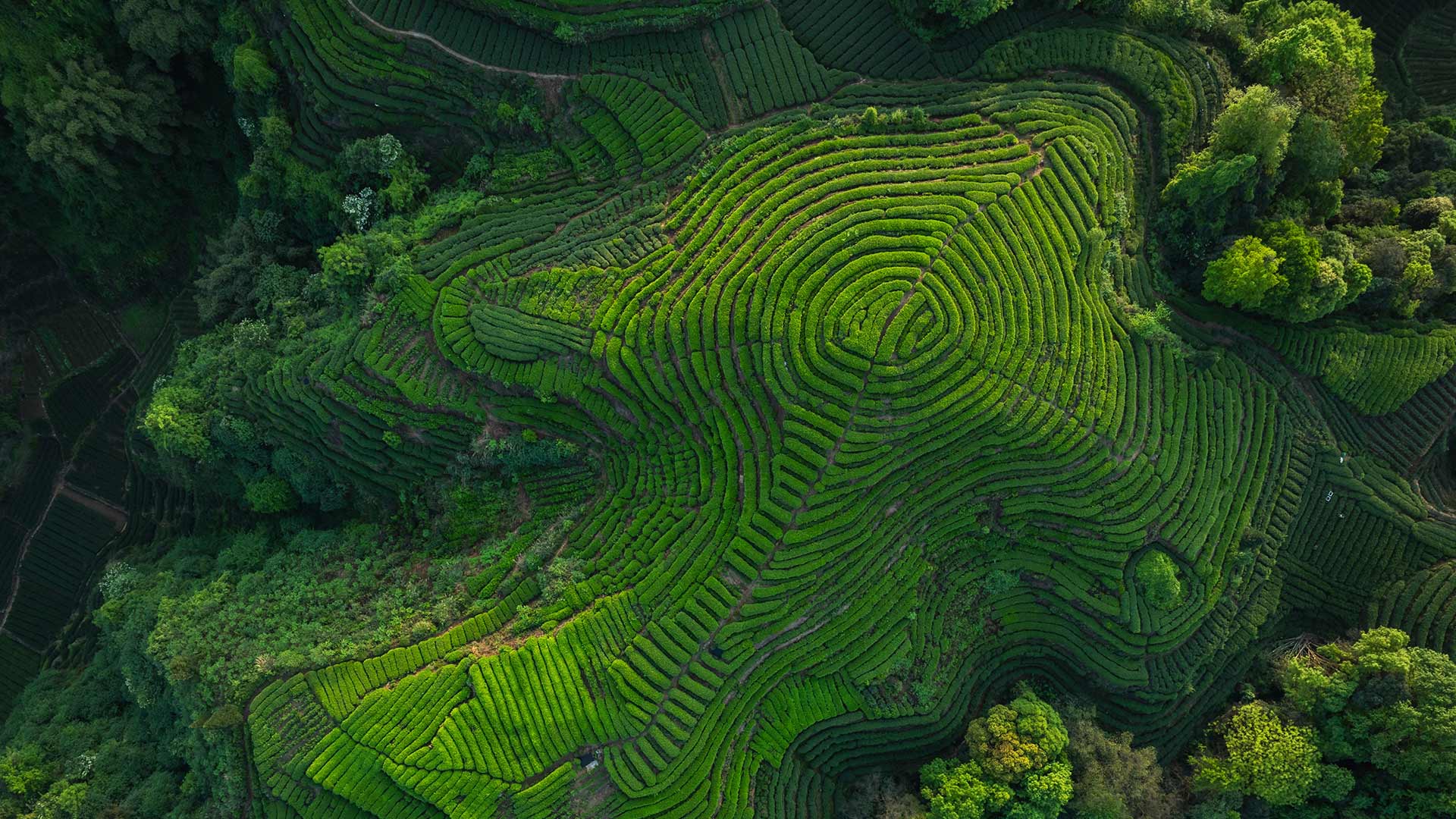
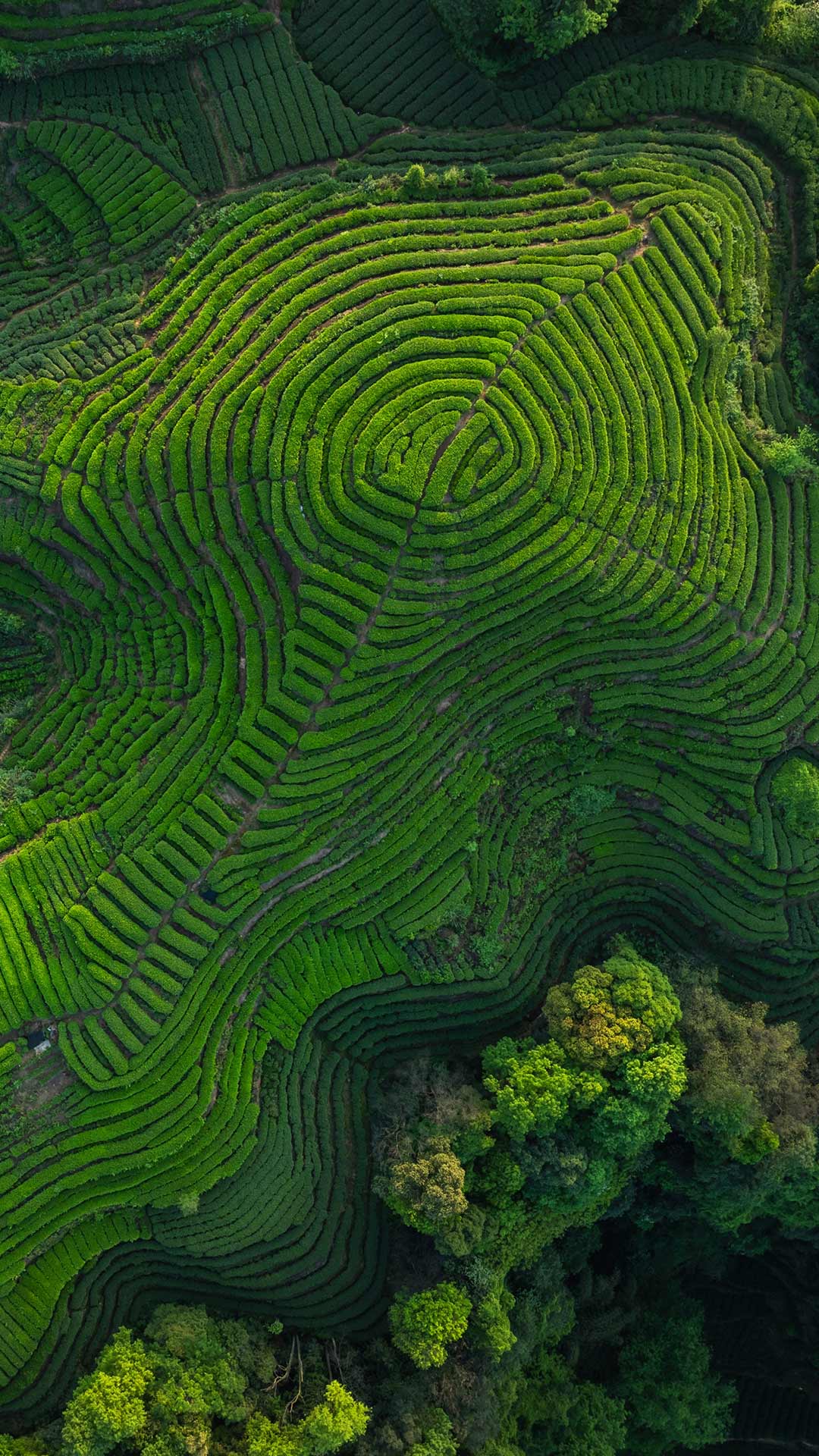
| en | • | Tea terraces in Sichuan Province, China |
| es | • | Terrazas de té en la provincia de Sichuan, China |
| fr | • | Plantations de thé en terrasses, Sichuan, Chine |
| it | • | Terrazzamenti da tè nella provincia del Sichuan, Cina |
| ja | • | 四川省の茶畑, 中国 |
| pt | • | Terraços de chá na província de Sichuan, China |
| zh | • | 四川省的茶梯田, 中国 |
| (© lzf/Shutterstock) |
Tea terraces in Sichuan Province, China
Today's image spotlights a drink that connects daily rituals to ancient landscapes. Just one look at the terraced tea fields of Sichuan Province, China, shows how deep those roots run. This misty region in southwest China is one of the earliest centres of tea culture, where people drank and cultivated tea more than 2,000 years ago. On nearby Mengding Mountain, a scholar named Wu Lizhen planted some of the world's first managed tea gardens during the Han Dynasty, laying the groundwork for generations of growers.
The steep terraces weren't built for beauty alone. They helped farmers manage rainfall, protect fragile soil and hand-pick tender leaves that later travelled far beyond Sichuan. For centuries, harvests from these hills moved along rugged trade routes toward Tibet, carried by porters across mountain passes. Even now, each harvest carries forward a legacy shaped by landscape, labour and time.













| 2026‑05‑20 ‑ | International / Brazil / Canada ‑ English / Canada ‑ French / China / France / Germany / India / Italy / Japan / Spain / United Kingdom / United States |
|---|
| de | • | Hummel bei der Bestäubung, Worcester, England |
| en | • | Bumble bee pollinating, Worcester, England |
| es | • | Abejorro polinizando, Worcester, Inglaterra |
| fr | • | Bourdon, Worcester, Angleterre |
| it | • | Bombo, Worcester, Inghilterra |
| ja | • | 受粉しているマルハナバチ, イングランド |
| pt | • | Abelha-mamangava polinizando, Worcester, Inglaterra |
| zh | • | 熊蜂在授粉, 伍斯特, 英格兰 |
| (© SimonEastwood87/Shutterstock) |
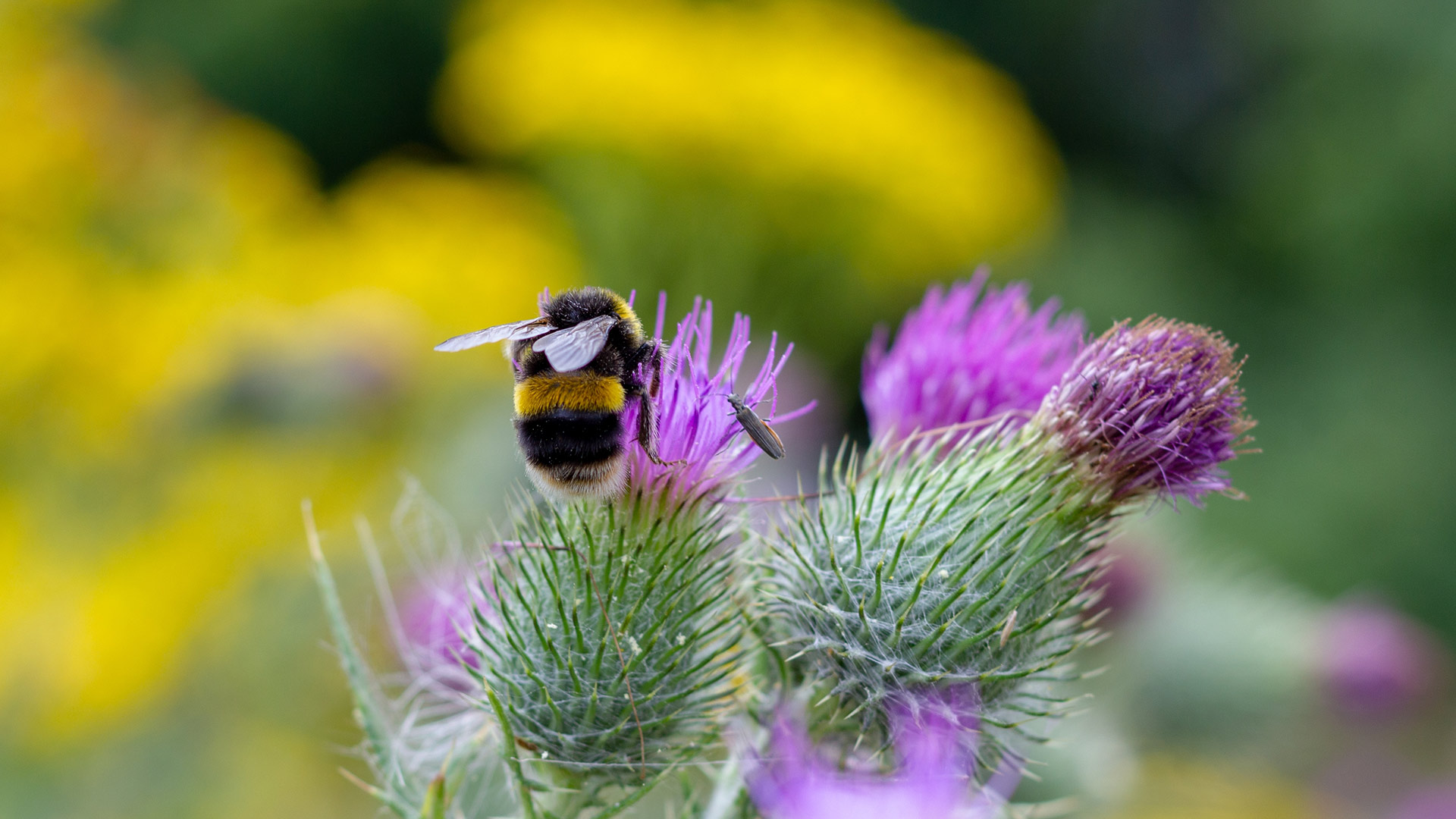
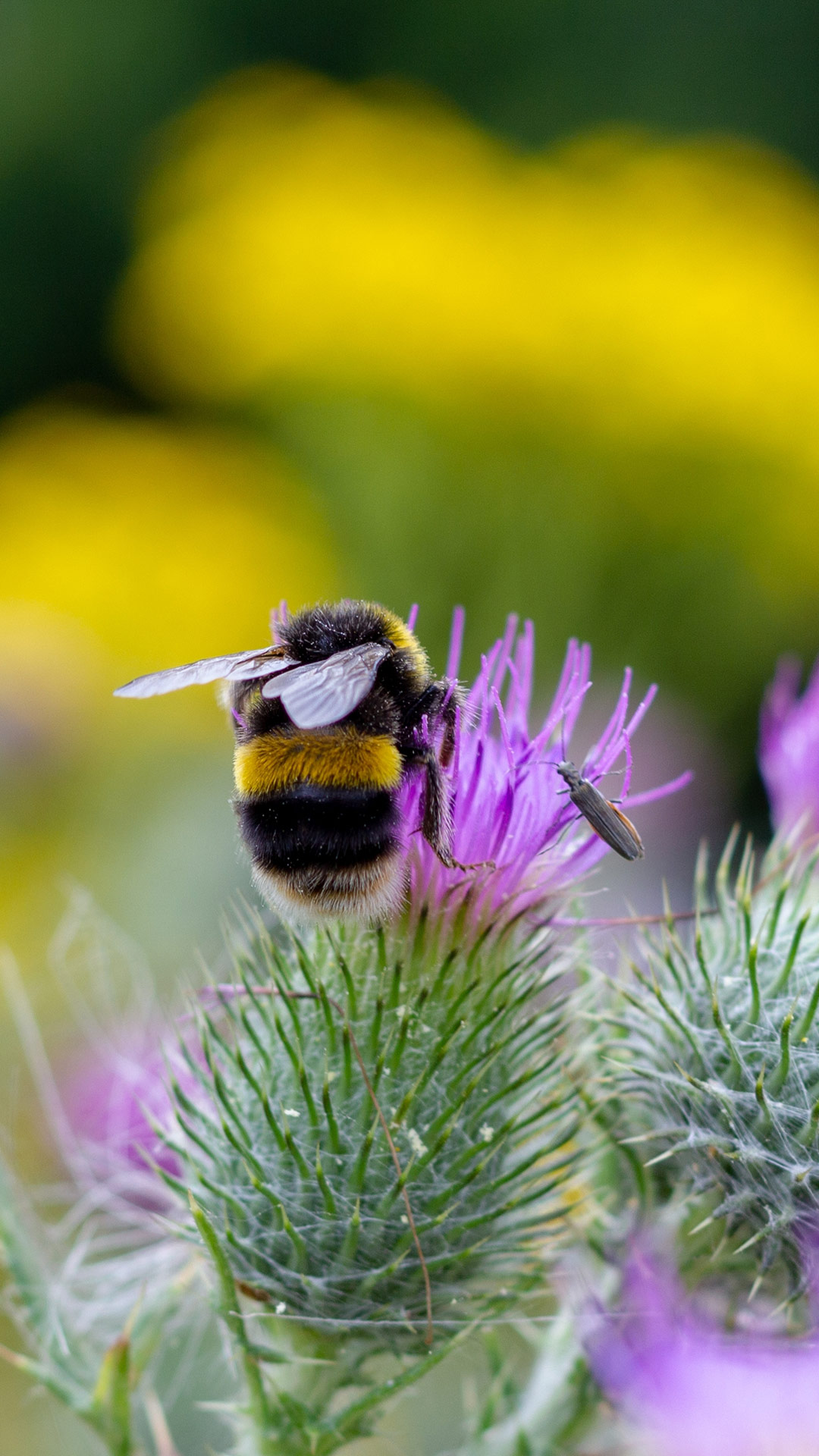
Bumble bee pollinating, Worcester, England
A soft buzz and a dusting of pollen can shape the future of our food. Today's image features the bumble bee during its quiet yet essential work. Unlike many insects, bumble bees use 'buzz pollination,' vibrating their flight muscles to shake pollen from flowers—a method vital for crops such as tomatoes, peppers and blueberries. Bees and other pollinators contribute to more than 75% of the world's major food crops, improving both yield and quality.
With over 250 known species worldwide, bumble bees are among the most effective native pollinators in cooler climates, where their larger bodies and rapid wingbeats allow them to forage in lower temperatures than honeybees. They live in small, seasonal colonies, often nesting in abandoned burrows or dense grass, with a single queen founding each new nest in spring. Unlike honeybees, they can sting more than once, though they rarely do unless disturbed.
Each flower visit, like this one, supports biodiversity and helps keep food systems resilient, one vibration at a time.
| 2026‑05‑19 ‑ | International / Brazil / Canada ‑ English / Canada ‑ French / China / France / Germany / India / Italy / Japan / Spain / United States |
|---|
| de | • | Leuchtturm von Formentor, Mallorca, Balearen, Spanien |
| en | • | Formentor Lighthouse, Mallorca, Balearic Islands, Spain |
| es | • | Faro de Formentor, Mallorca, Islas Baleares |
| fr | • | Phare de Formentor, Majorque, Îles Baléares, Espagne |
| it | • | Faro di Formentor, Maiorca, Isole Baleari, Spagna |
| ja | • | フォルメントール灯台, スペイン |
| pt | • | Farol de Formentor, Maiorca, Ilhas Baleares, Espanha |
| zh | • | 福门托尔灯塔, 马略卡, 巴利阿里群岛, 西班牙 |
| (© Allard Schager/Getty Images) |
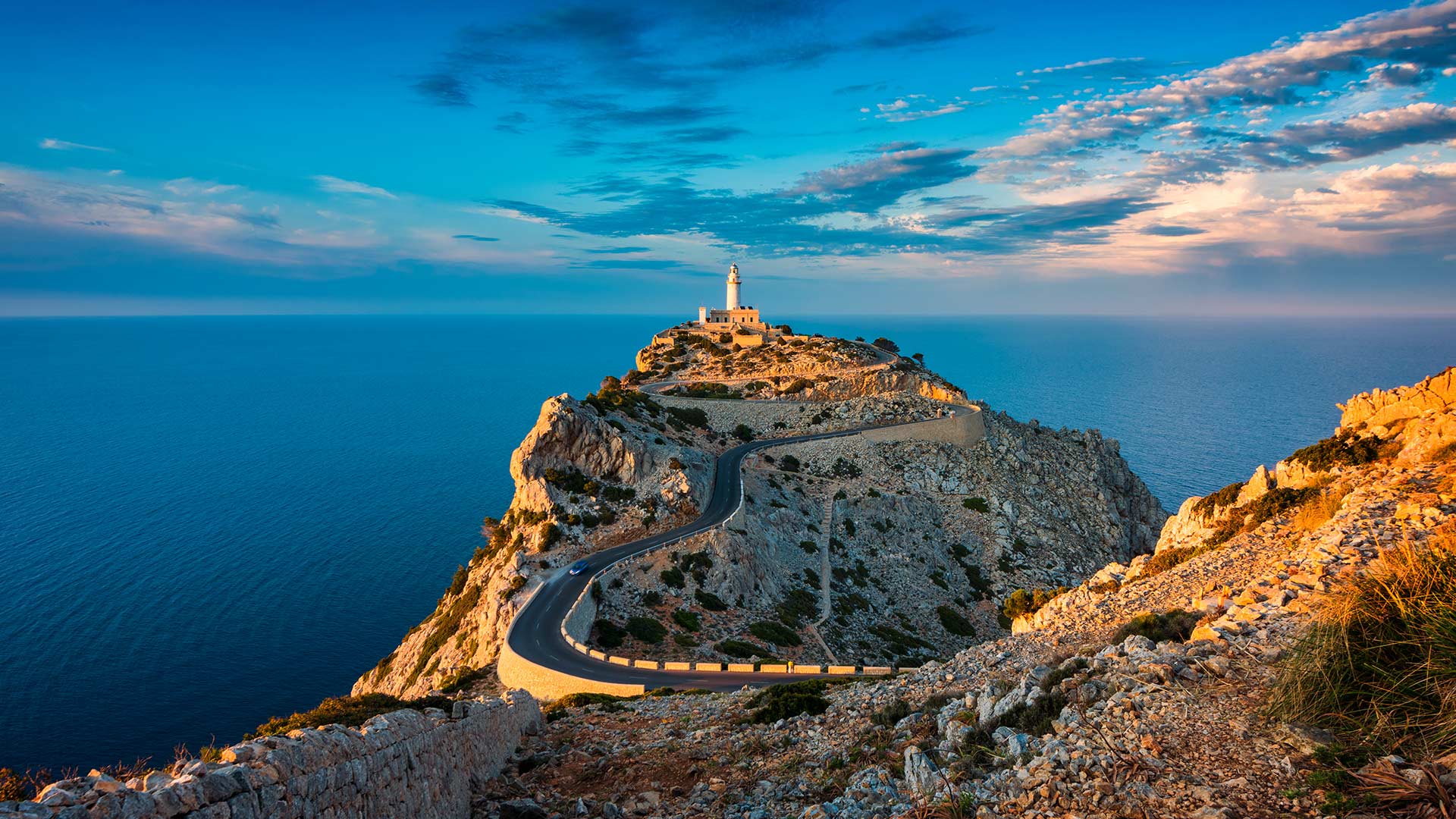
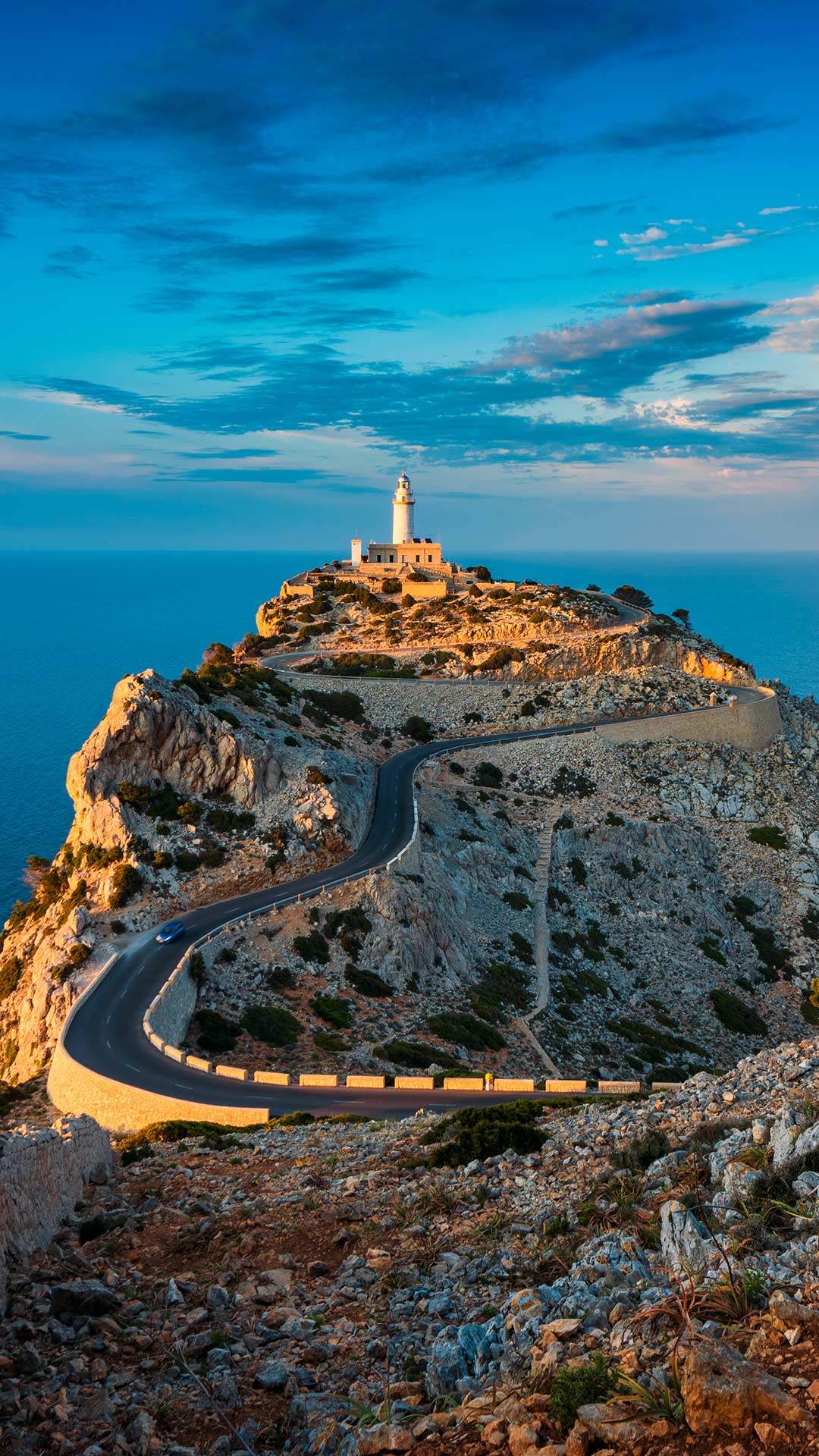
Formentor Lighthouse, Mallorca, Balearic Islands, Spain
At Mallorca's far northern tip, in Spain's Balearic Islands, the Formentor Lighthouse stands on the sheer cliffs of Cap de Formentor. This exposed headland is often called the 'Meeting of the Winds.' Built in 1863 and first lit on September 30 of that year, the lighthouse rises about 210 metres above the Mediterranean Sea and is reached by a narrow, switchback road about 13 kilometres from Port de Pollença. Under your feet is pale limestone—rock formed from ancient marine life and later lifted and carved by erosion into dramatic faces, sea caves and natural arches. This rugged geology gives rise to the area's stark beauty and sense of isolation. Want to earn the view? Follow one of the peninsula's hiking routes, or tackle the short, steep climb to Talaia d'Albercutx for a watchtower panorama before continuing to the lighthouse. Keep an eye on the slopes: wild goats, descended from early domestic herds, spring across the ledges with effortless balance.
| 2026‑05‑19 ‑ | United Kingdom |
|---|
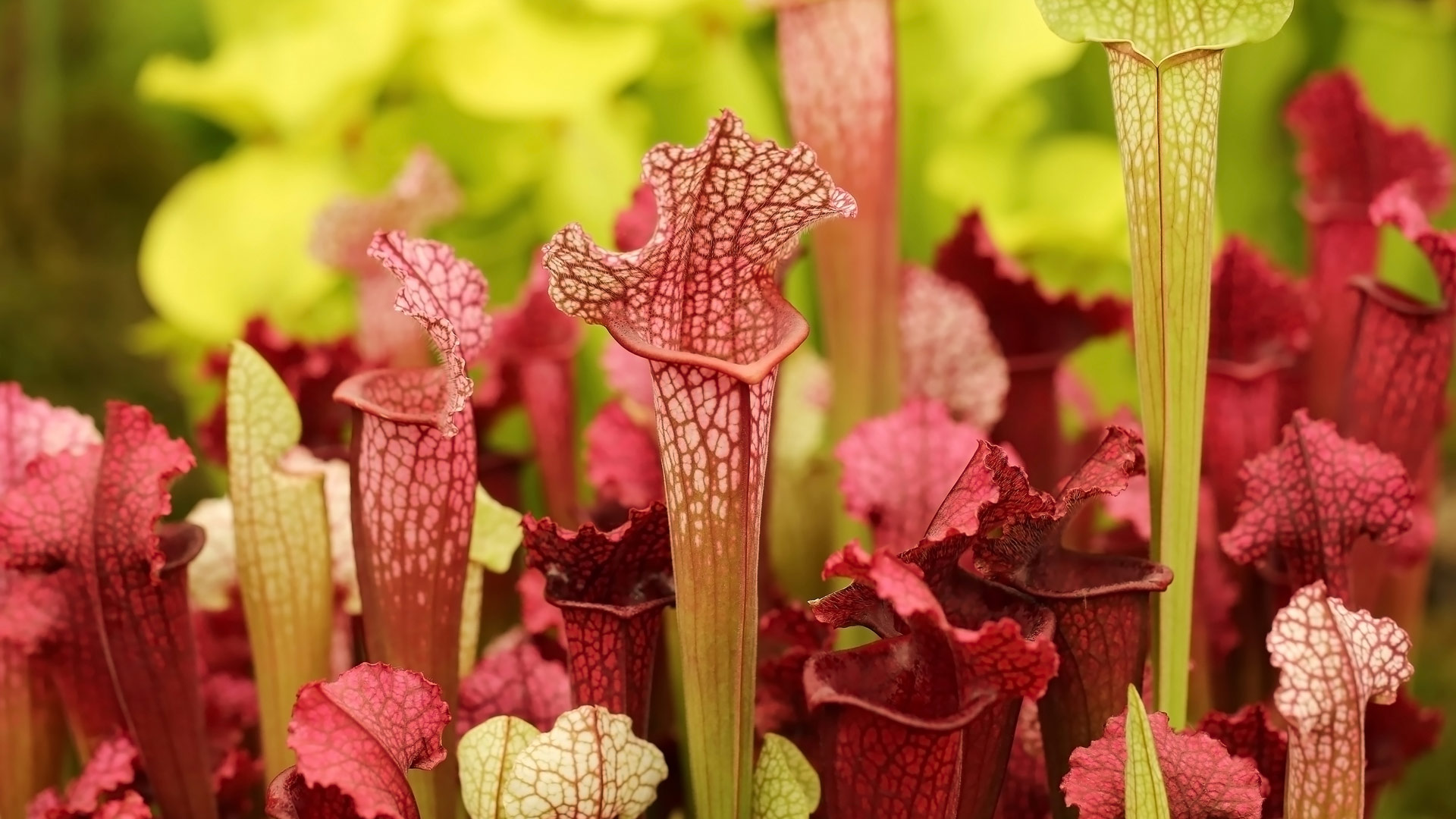
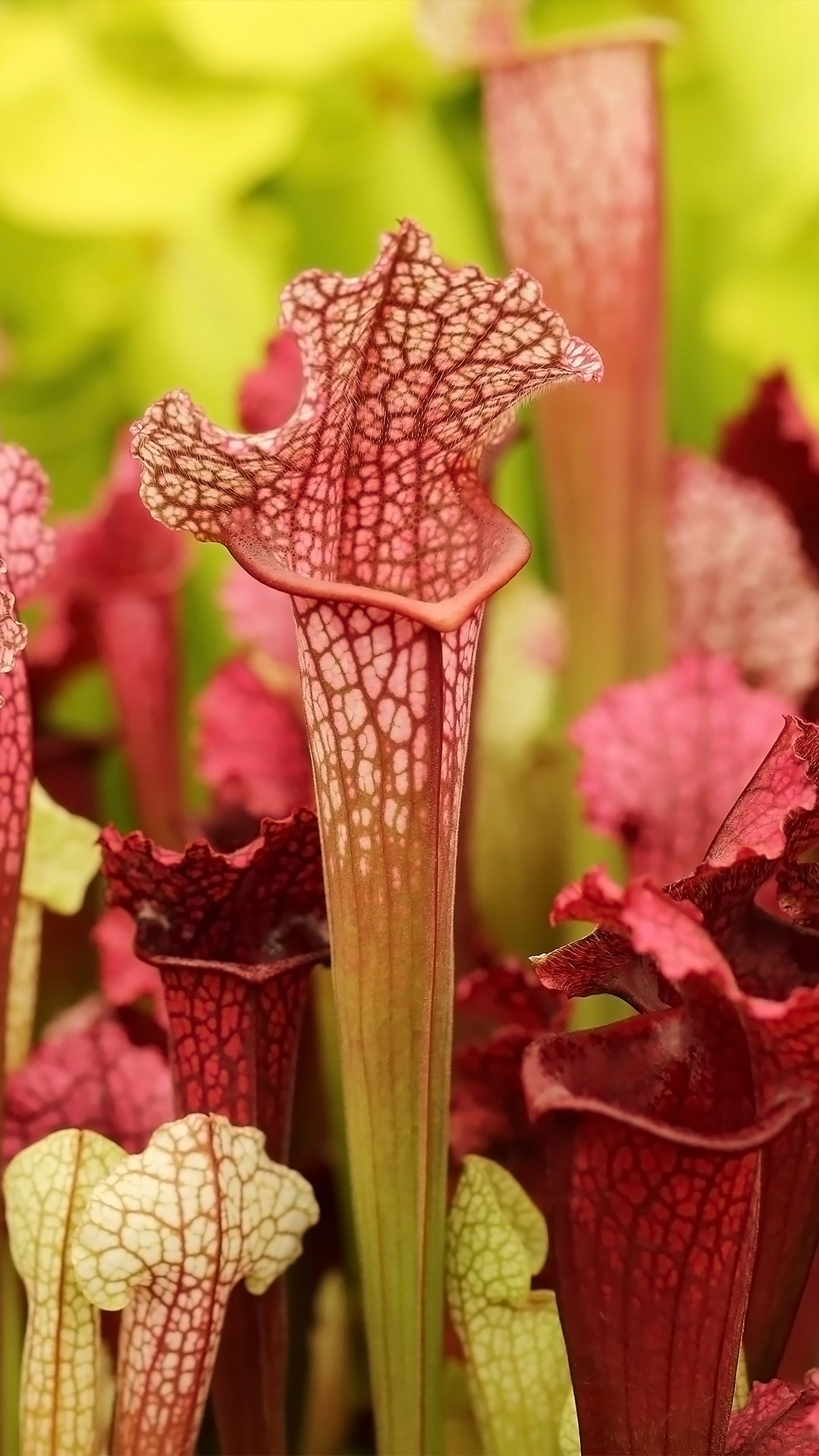
| en | • | Carnivorous red and green pitcher plants at the Chelsea Flower Show |
| (© Jillian Cain Photography/Shutterstock) |
Chelsea Flower Show
At the Chelsea Flower Show, not every plant plays nice—some come with a bite. Meet the pitcher plants, nature's quiet hunters, turning a garden stroll into a low-key thriller. These striking carnivores, often from the genus Sarracenia, use modified leaves shaped like tall tubes—pitchers—to lure, trap and digest insects. Nectar around the lid isn't just sweet—it's a little sinister, helping insects lose their footing, while downward-pointing bristles keep escape plans firmly off the table.
The 'cutthroat' form, Sarracenia flava var. rugelii, flashes a bold red throat atop a green tube, while Sarracenia leucophylla shows off white pitchers streaked with red and green veins and ruffled lids. Many start lime green, then blush red.
Set within the grounds of the Royal Hospital Chelsea, London, and run by the Royal Horticultural Society, the 2026 show (19–23 May) proves one thing: at Chelsea, even the plants have a taste for drama.
| 2026‑05‑18 ‑ | International | 2026‑04‑04 ‑ | United Kingdom |
|---|
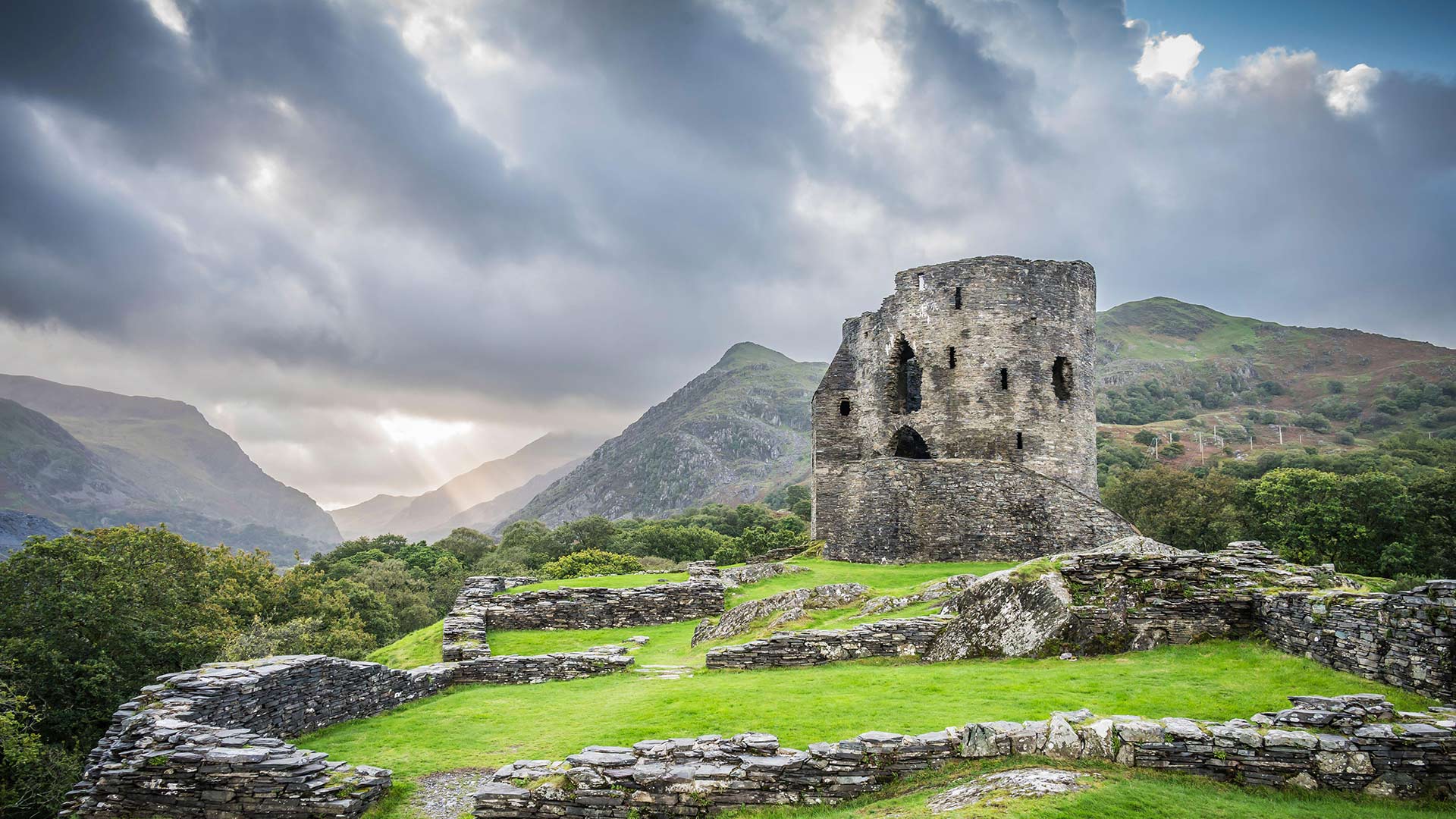
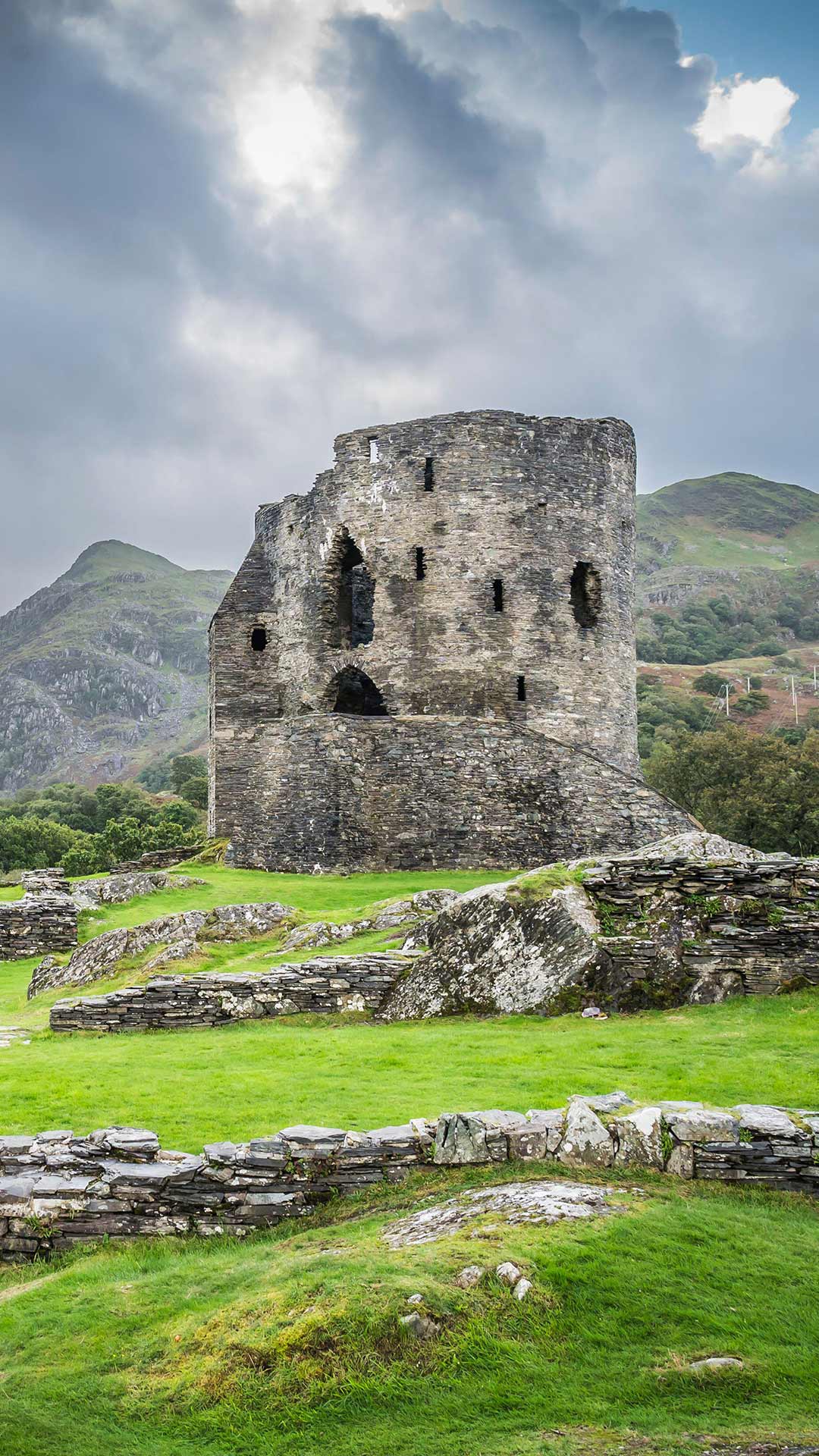
| en | • | Dolbadarn Castle, Llanberis, Snowdonia National Park, Wales |
| • | Dolbadarn Castle, Llanberis, Wales | |
| (© Allan Hartley/Alamy) |
Dolbadarn Castle, Llanberis, Wales
Some people chase peaks, others follow lakes. In Wales, the Snowdonia (Eryri) National Park is one stop that quietly combines both—Dolbadarn Castle. Standing beside the serene waters of Llyn Padarn, this 13th-century fortress was built by Llywelyn the Great—Prince of Gwynedd from 1199 to 1240—to guard the route through Llanberis Pass. Built from purple and green slate, the castle was largely assembled using dry stone techniques without mortar, apart from the keep. Its distinctive round tower once stood watch over the valley. History here has its twists. Owain Goch ap Gruffudd, Llywelyn's nephew, is believed to have been imprisoned inside these walls after a family feud.
Today the fortress is a peaceful ruin, but the setting still steals the show. During this annual initiative, Dolbadarn reminds visitors that some places are built to last—and others are simply built to be discovered.