Bing daily wallpapers
page 12 / 20
| 2026‑05‑24 ‑ | Canada ‑ English / Canada ‑ French |
|---|
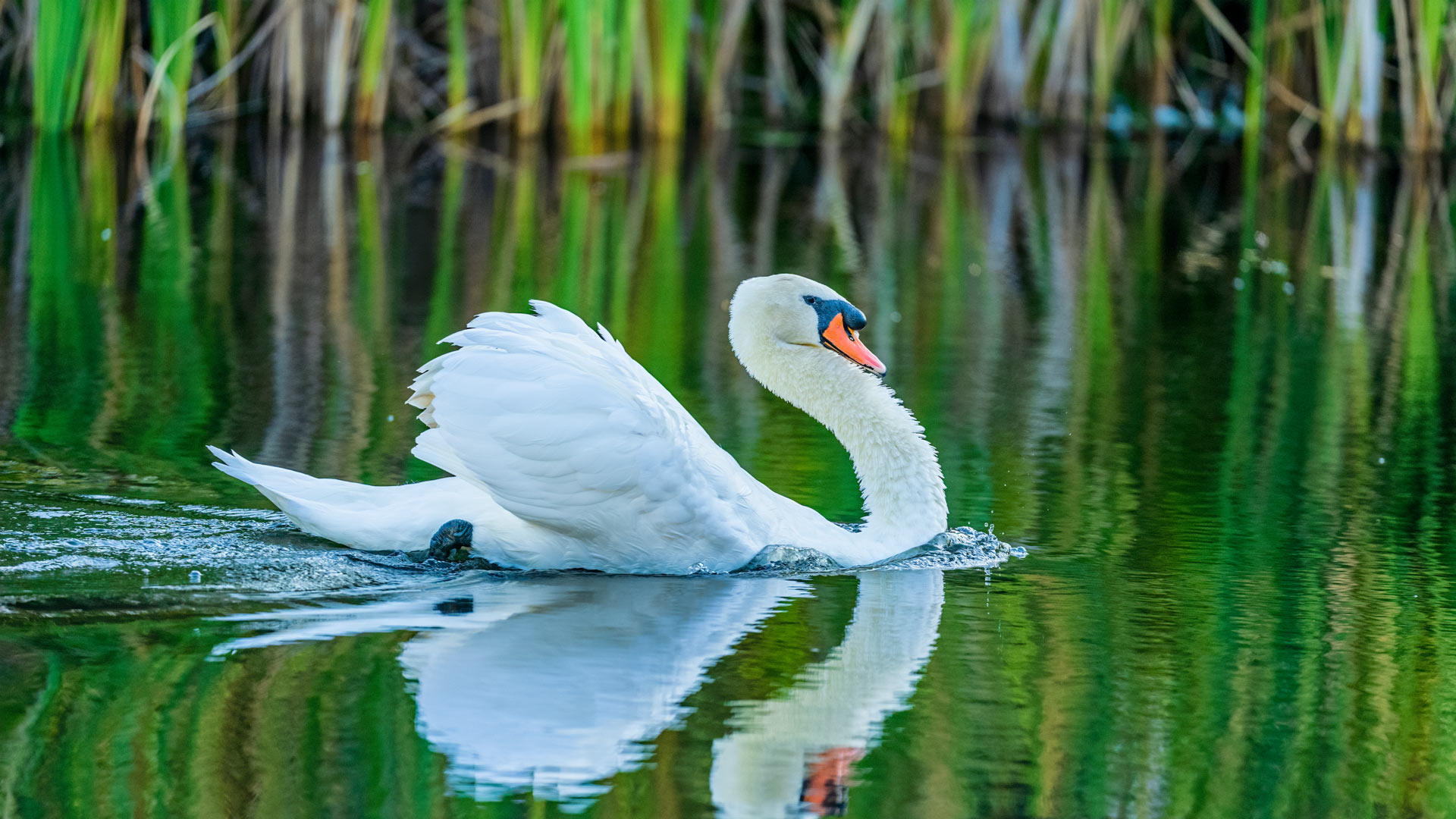
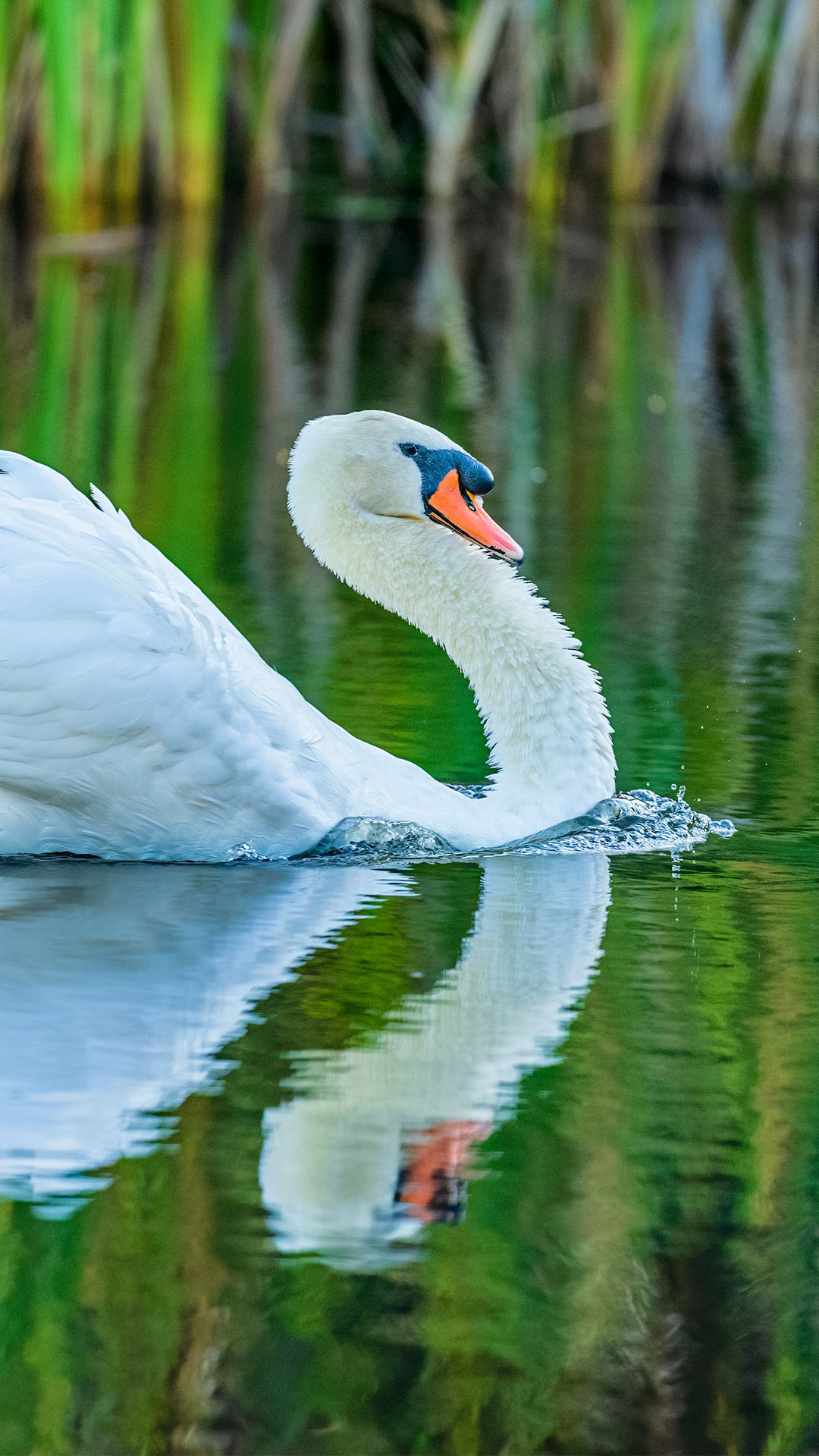
| en | • | A mute swan reflected on tranquil waters |
| fr | • | Cygne tuberculé sur un plan d’eau calme |
| (© Don White/Getty Images) |
A mute swan reflected on tranquil waters
Swans are admired for their looks, but there is more going on than a calm, graceful glide over the water. These strong, territorial birds have a long history of human involvement. Introduced to Canada from Europe in the 1870s for parks and estates, mute swans established feral populations that now live year-round in parts of Ontario and beyond.
What keeps them going? Their diet is rooted underwater. They feed by upending and pulling up submerged vegetation, and this can strip large patches of wetland plants. During courtship, mute swans produce soft grunts, snorts and a series of rhythmic sounds. A cob and pen form a long-term pair, building nests close to shore. The pen lays several eggs, and both adults guard the brood. Cygnets grow quickly and stay with their parents through their first season.
Their role does not end here. The mute swan is Denmark's national bird and appears in Hans Christian Andersen's tale 'The Ugly Duckling,' a story shaped by the bird's quiet transformation. In Britain, the tradition of Swan Upping still tracks and protects swans along the River Thames.


| 2026‑05‑24 ‑ | Brazil |
|---|
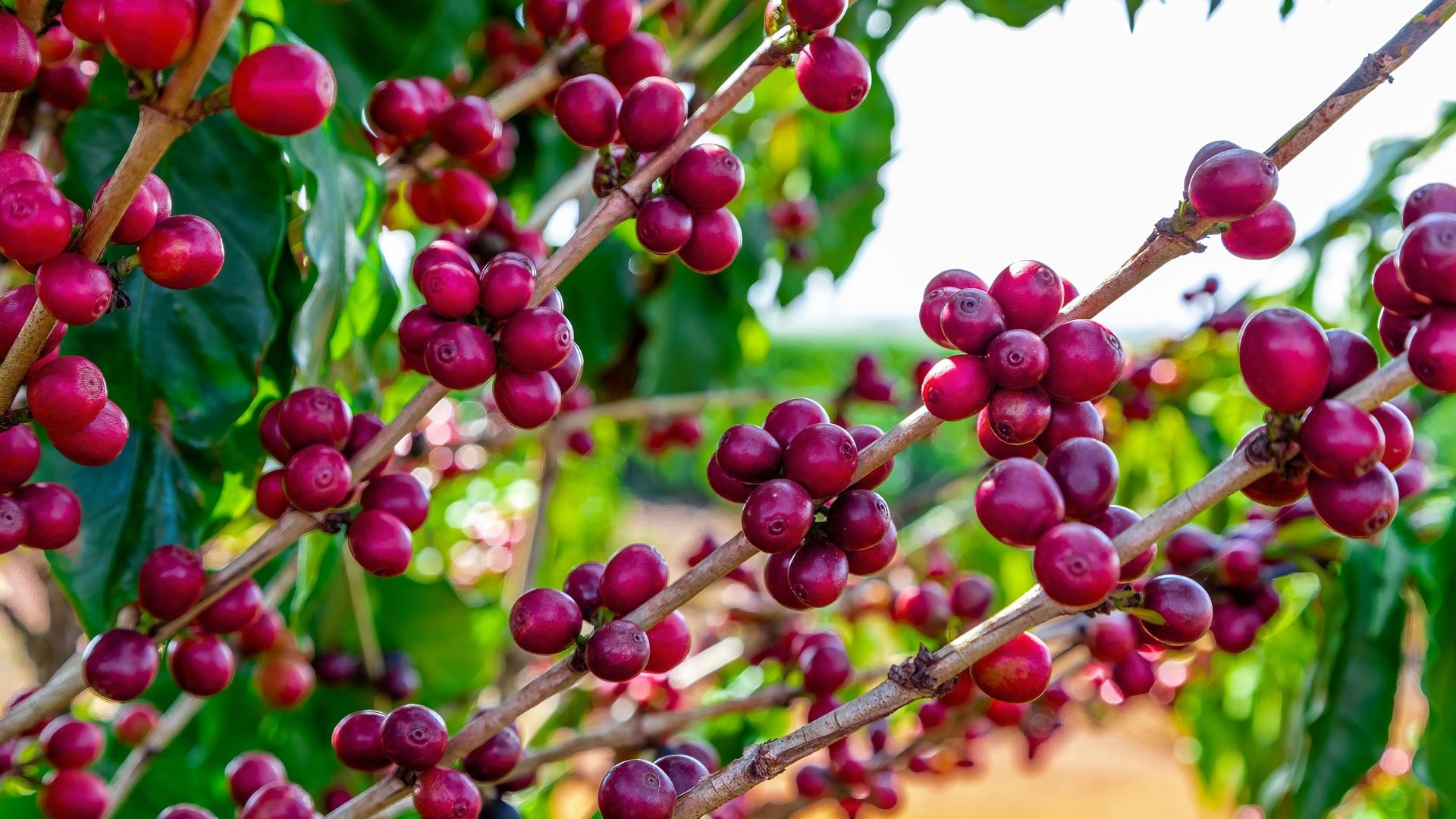
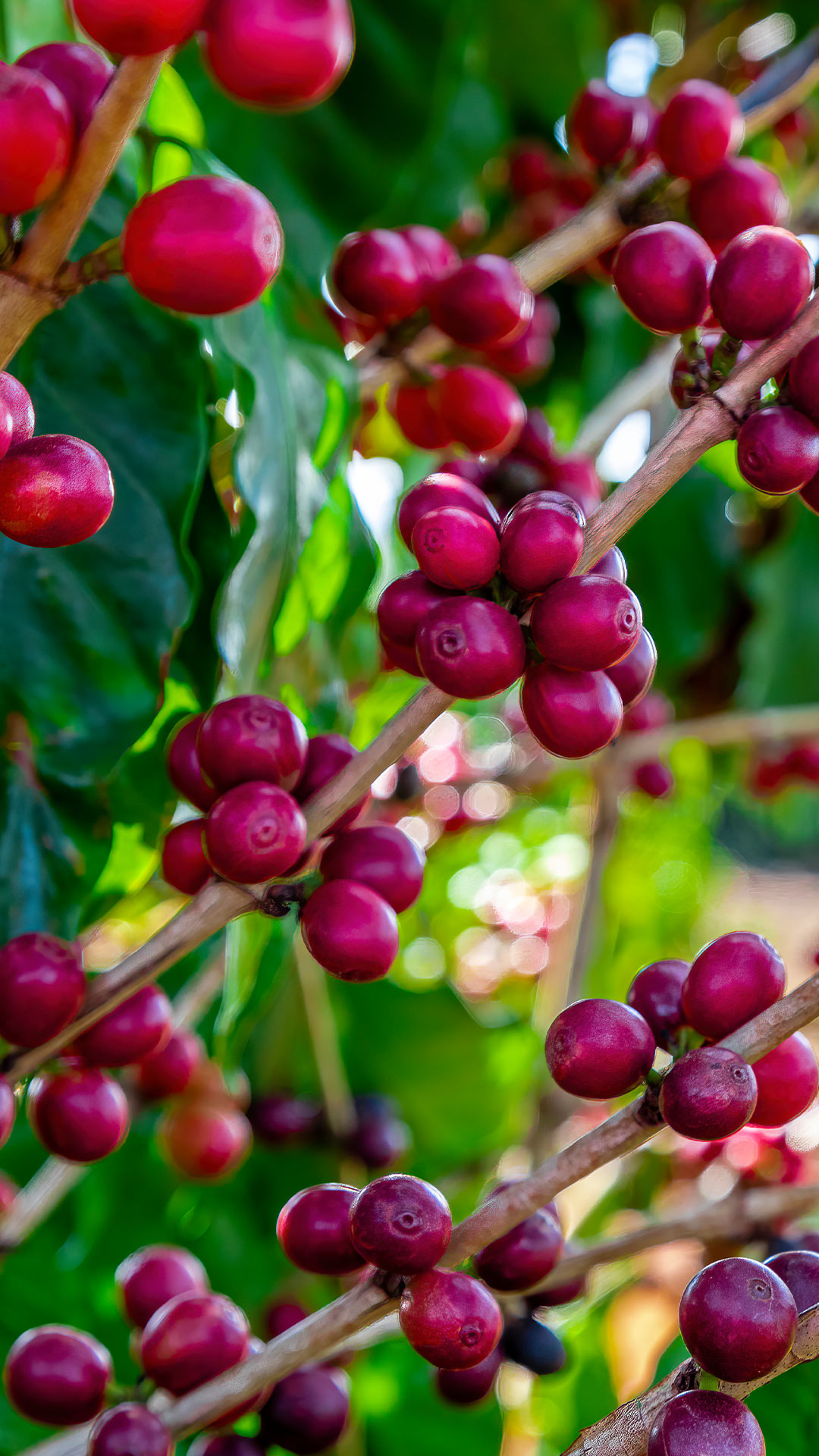
| pt | • | Frutos de café em fazenda no Brasil |
| (© Murilo Gualda/Getty Images) |
National Coffee Day
On National Coffee Day, let's look at the plant that guides the rhythm of Brazil. Green when young, red or yellow when ripe, the fruits in the image are ready for harvest. Each cherry holds two beans that they still don't know if they will end up in a short espresso or an unhurried brew. Altitude, climate, and soil define sweetness, acidity, and body. Then come harvesting, drying and roasting, when technique and time shape nuances that only reveal themselves in the first sip.
In Brazil, coffee has been cultivated on a large scale since the eighteenth century. More than drinking, it was motor. Today, we are the largest producer on the planet, responsible for about a third of the world's production. Each region imprints its own character, with notes ranging from chocolate and nuts to fruit and florals. From the Cerrado to the mountains of the Southeast, coffee matures in silence before waking up the world.

| 2026‑05‑23 ‑ | International / Brazil / Canada ‑ English / Canada ‑ French / China / France / Germany / India / Italy / Japan / Spain / United Kingdom / United States |
|---|
| de | • | Schildkröten mit Schmetterlingen |
| en | • | Turtles with butterflies |
| es | • | Tortugas con mariposas |
| fr | • | Tortues et papillons |
| it | • | Tartarughe e farfalle |
| ja | • | カメと蝶 |
| pt | • | Tartarugas com borboletas |
| zh | • | 与蝴蝶在一起的乌龟 |
| (© Patrick Gallet/Getty Images) |
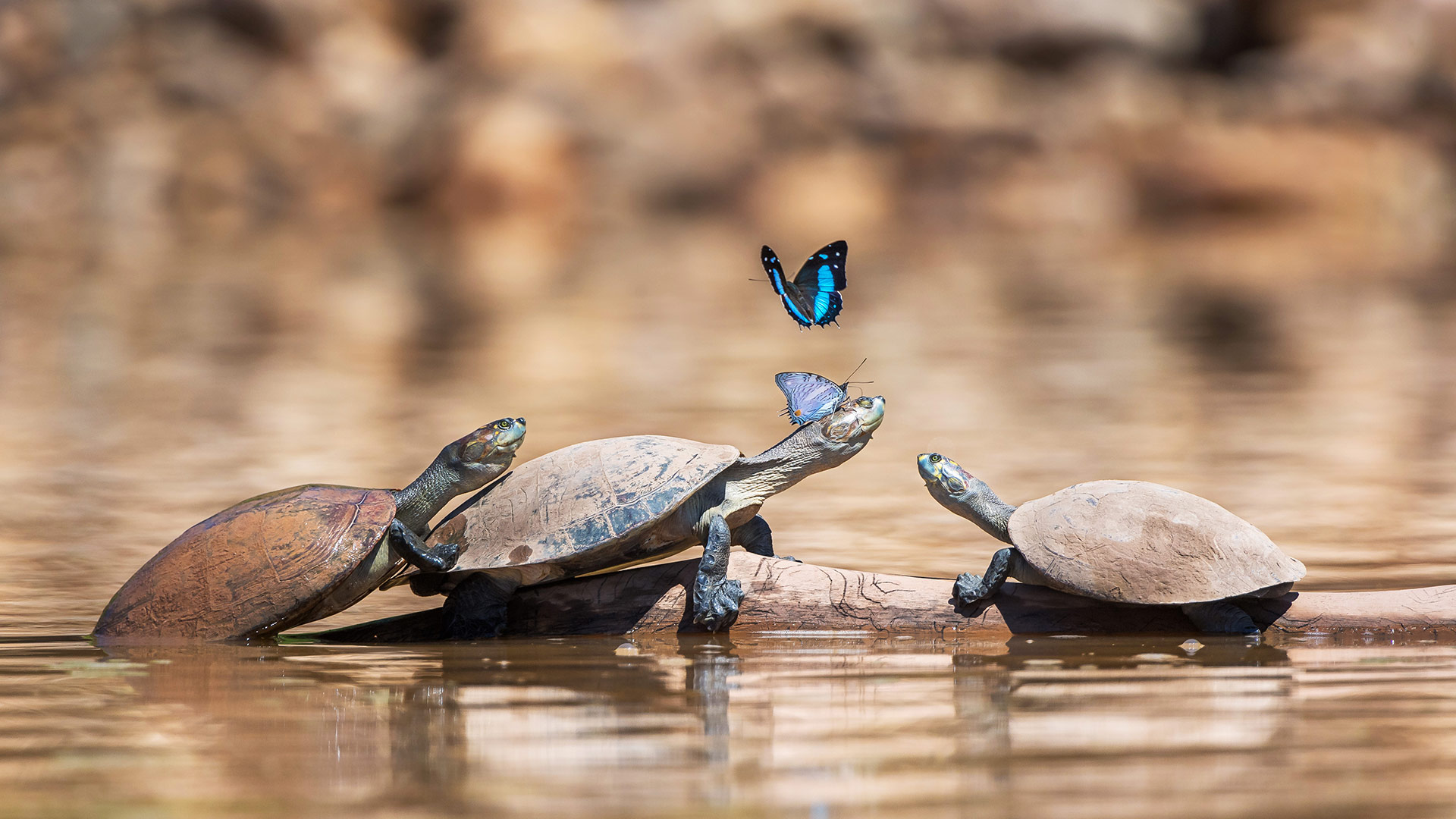
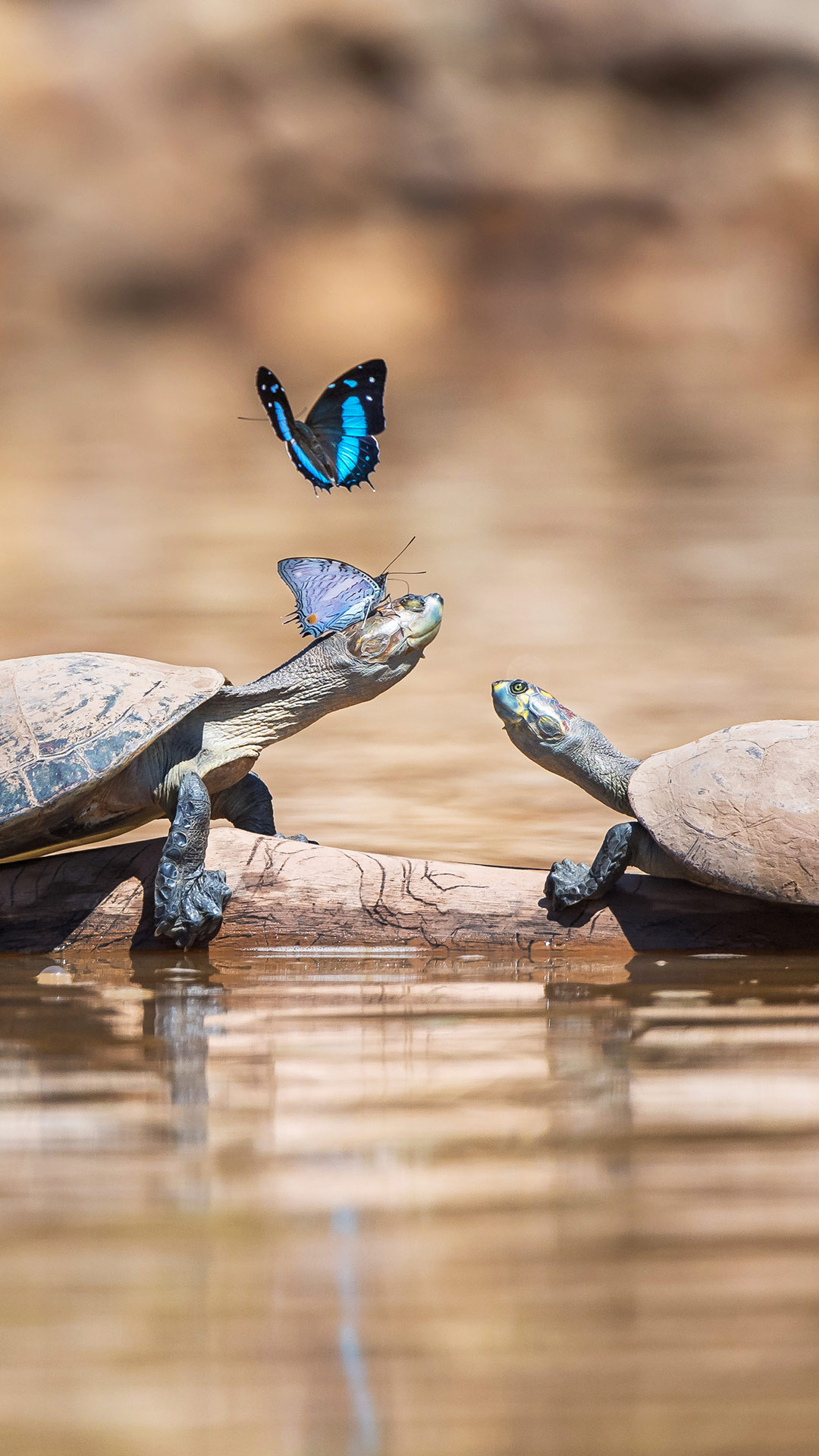
Turtles with butterflies
Turtles are not only fascinating animals; they also play vital roles in nature. Sea turtles help keep seagrass beds and coral reefs healthy, while freshwater and land counterparts support balanced ecosystems. Their shells are part of their skeletons, formed from dozens of fused bones, and some species navigate using Earth's magnetic field to return to the beaches where they hatched.
In some regions, turtles attract butterflies. Drawn by a behaviour known as puddling, butterflies seek out salts and minerals that are scarce in nectar. They may land on a turtle's shell, skin or even near its eyes to sip moisture containing sodium and other nutrients, sometimes from tears or damp surfaces.
These reptiles have existed for more than 200 million years, outlasting many ancient lineages, yet many species are now struggling to survive. From habitat loss and plastic pollution to illegal wildlife trade and fishing bycatch, the pressures they face are growing. Small, mindful choices—such as reducing single-use plastics or protecting nesting areas—can help support their future.








| 2026‑05‑22 ‑ | International | 2026‑04‑05 ‑ | France |
|---|
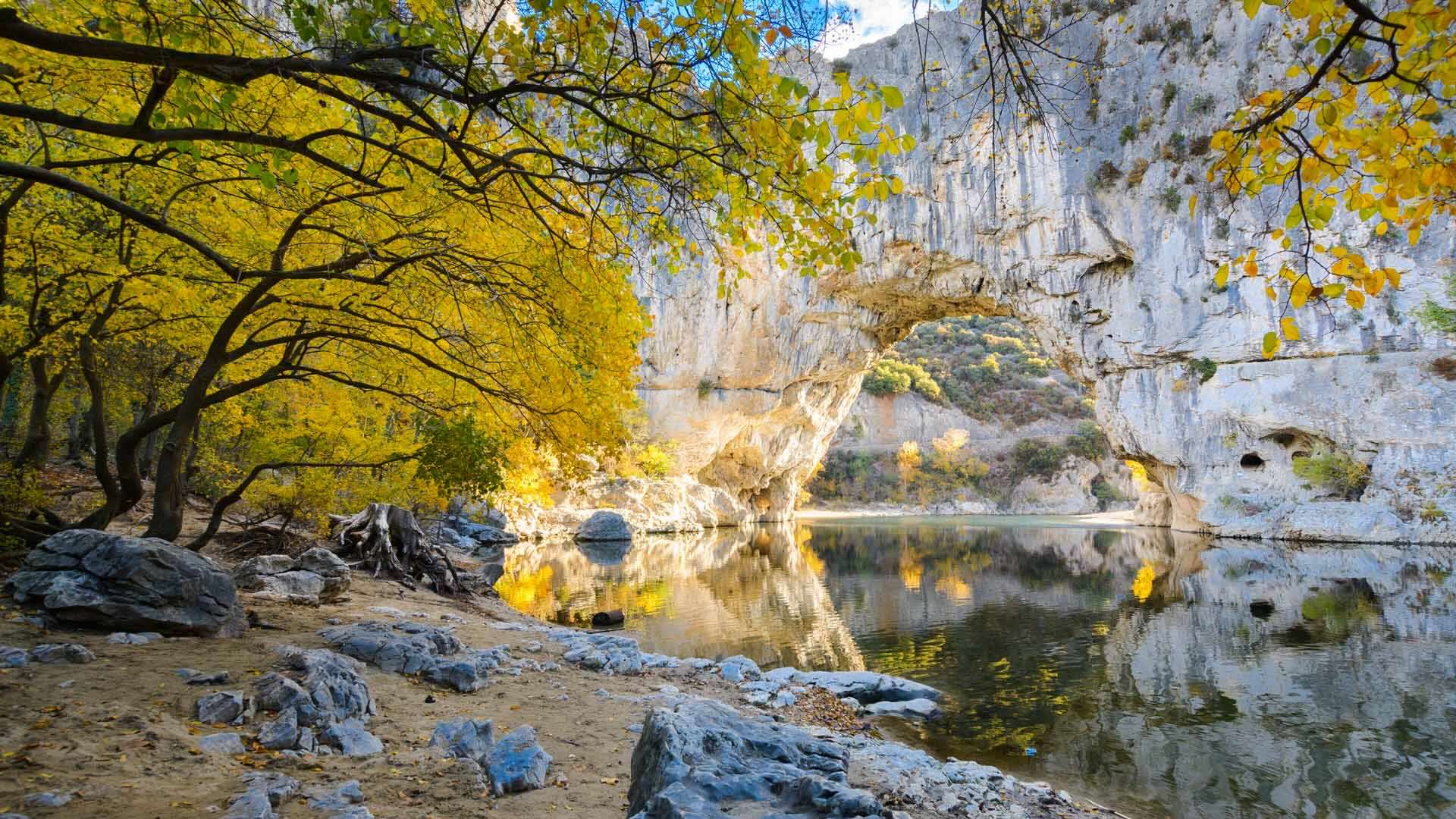
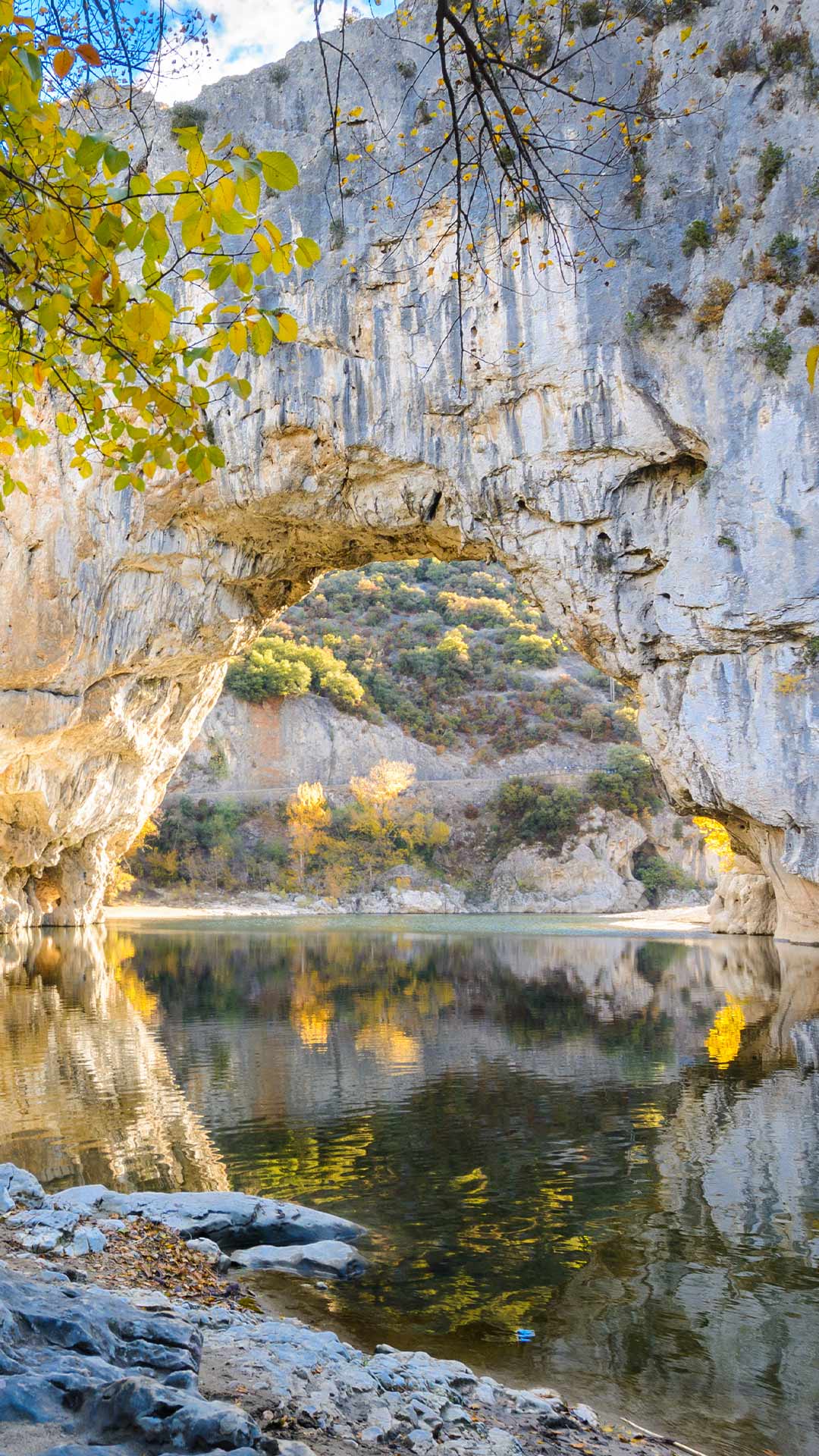
| en | • | Pont d'Arc, Ardèche, France |
| fr | • | Pont d’Arc, Ardèche |
| (© Gael Fontaine/Getty Images) |
Pont d’Arc, Ardèche
Naturally sculpted over 500,000 years, the Pont d'Arc in France opens like a gateway to the Ardèche Gorge. At dawn, its monumental silhouette glows with a golden hue as the murmur of the river echoes between limestone cliffs, where peregrine falcons and crag martins nest. You walk along the sandy bank, scented with wild mint and sun-warmed boxwood, with the feeling of stepping into a landscape that has remained unchanged since prehistoric times.
Nearby, ancient human traces—those of Chauvet Cave—remind us that others, long before us, were equally awed by this stone arch. The current slips beneath the vast vault, carved by the river like a patient work of nature. The Pont d'Arc is not merely a backdrop; it is a passage, a breath, a suspended moment in which one feels both humbled and vividly alive.
| 2026‑05‑22 ‑ | Brazil / Canada ‑ English / Canada ‑ French / China / France / Germany / India / Italy / Spain / United Kingdom / United States |
|---|
| de | • | Kauehi‑Atoll, Tuamotu‑Archipel, Französisch‑Polynesien |
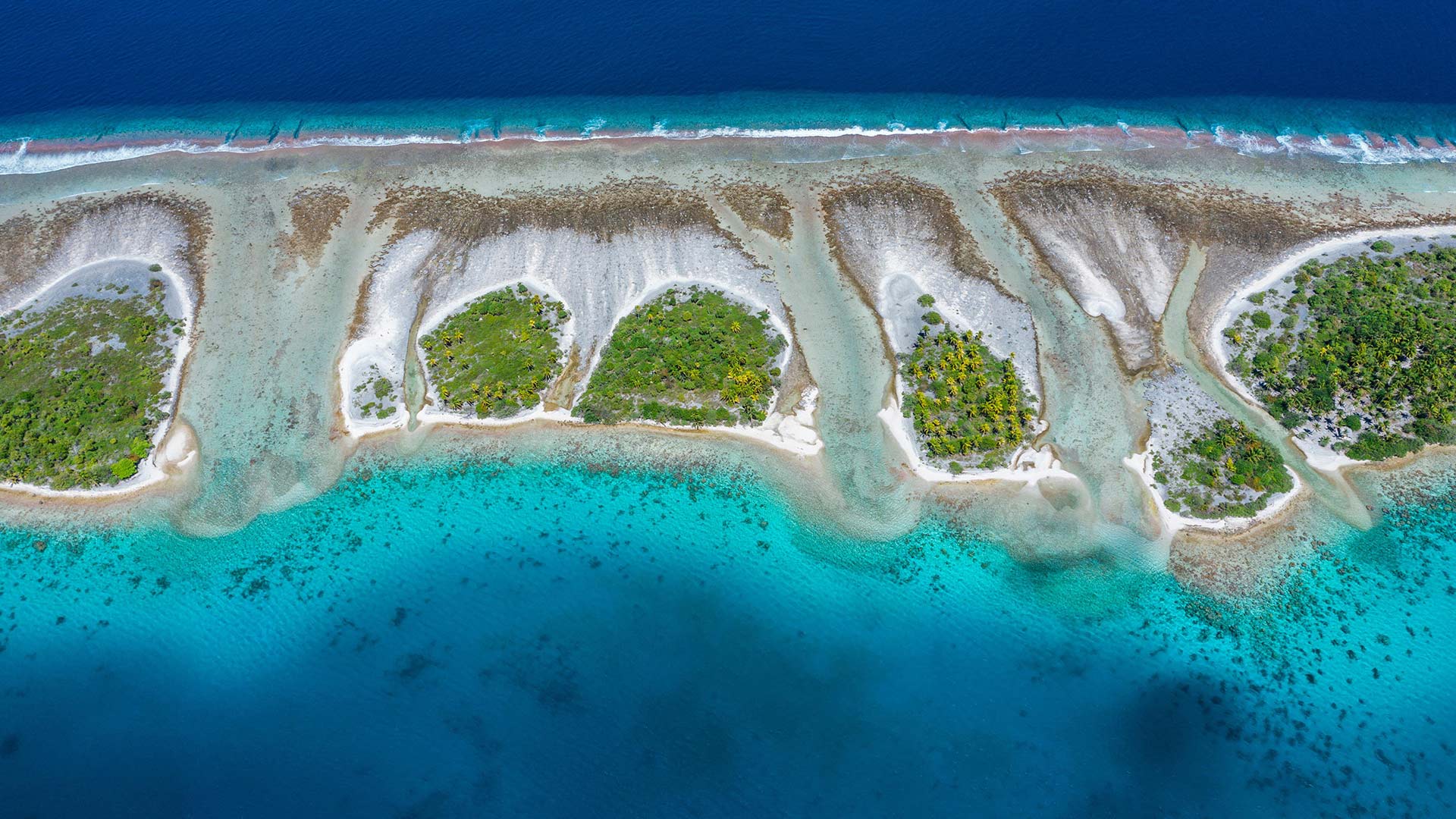
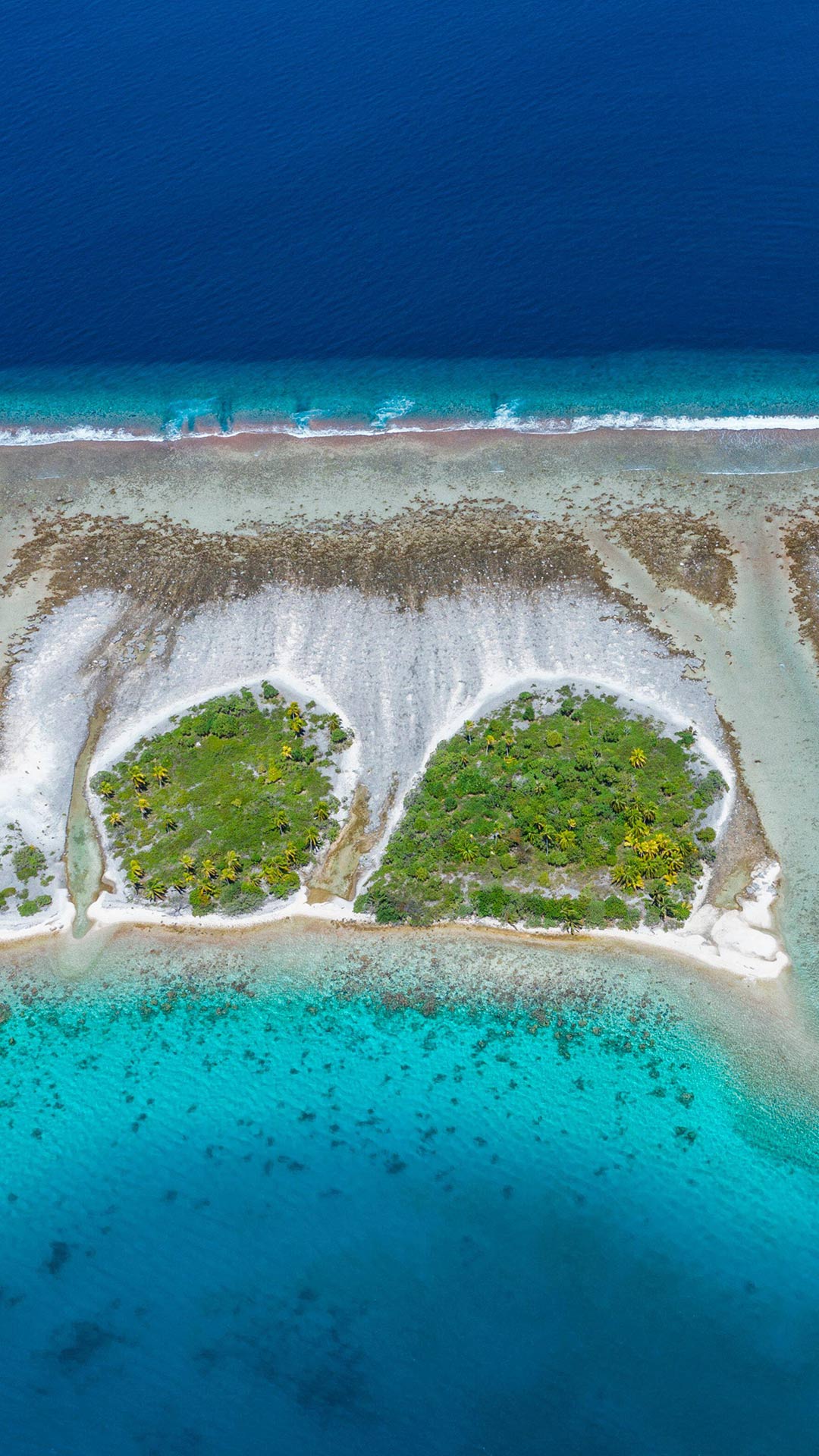
| en | • | Kauehi Atoll, Tuamotu Archipelago, French Polynesia |
| es | • | Atolón de Kauehi, archipiélago de Tuamotu, Polinesia Francesa |
| fr | • | Kauehi, Archipel des Tuamotu, Polynésie française |
| it | • | Atollo di Kauehi, arcipelago delle Tuamotu, Polinesia francese |
| pt | • | Atol Kauehi, Arquipélago de Tuamotu, Polinésia Francesa |
| zh | • | 埃希环礁,土阿莫土群岛,法属波利尼西亚 |
| (© WaterFrame_dpr/Alamy) |
International Day for Biological Diversity
Observed each year on May 22, International Day for Biological Diversity is a global reminder that life on Earth is richer—and more fragile—than it appears. Established by the United Nations, today highlights why protecting plants, animals, and ecosystems matters for food, medicine, climate stability, and everyday well-being.
Few places reveal our planet's secrets with such clarity as Kauehi Atoll, seen here from above in the Tuamotu Archipelago of French Polynesia. Its thin coral ring encloses a vast turquoise lagoon, shaped over millennia by living reefs and sheltered currents. Kauehi's ecosystem is part of Fakarava Biosphere Reserve and supports coral communities, fish nurseries, seabirds, and island vegetation adapted to life between ocean and sky.
For centuries, Polynesian navigators understood this balance, relying on healthy lagoons and reefs for survival and culture—a relationship still reflected in the atoll today. On International Day for Biological Diversity, landscapes like Kauehi remind us that safeguarding nature protects stories, cultures, and futures across our shared planet.
| 2026‑05‑22 ‑ | Japan |
|---|
| ja | • | 東京スカイツリー, 東京 |
| (© GoranQ/Getty Images) |
14 years since Skytree opened
Today, May 22nd, is the opening anniversary of Tokyo Skytree. Boasting a height of 634 meters, which is the first tower in the world, it has transcended its original role as a radio tower and has attracted many visitors from Japan and abroad as a landmark that symbolizes Tokyo. The interior of the museum is decorated for its 14th anniversary until July 6, and on the day of the opening anniversary, there will be greetings with official characters and special lighting lighting.