Bing daily wallpapers
page 11 / 20
| 2026‑05‑25 ‑ | United States |
|---|
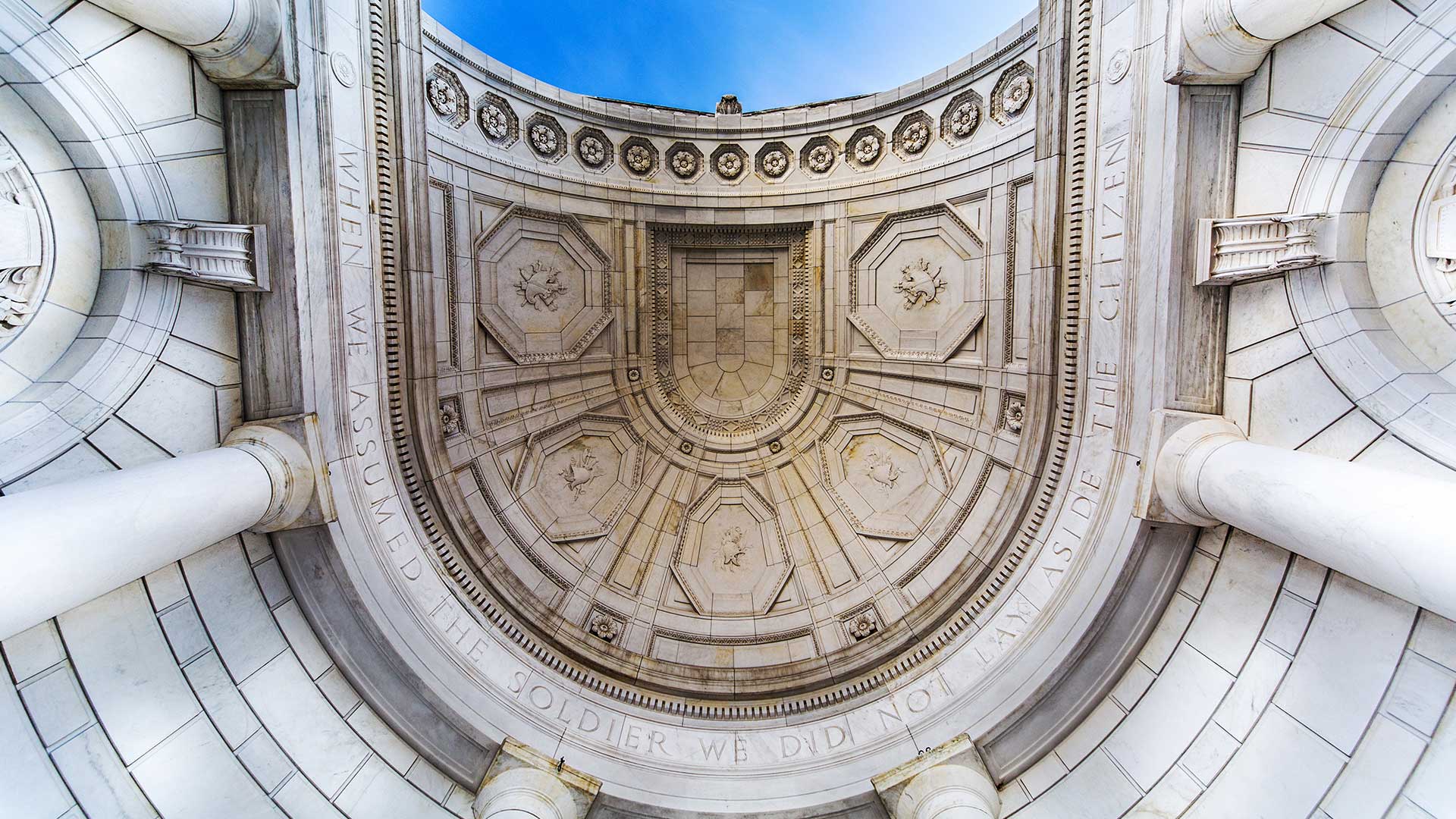
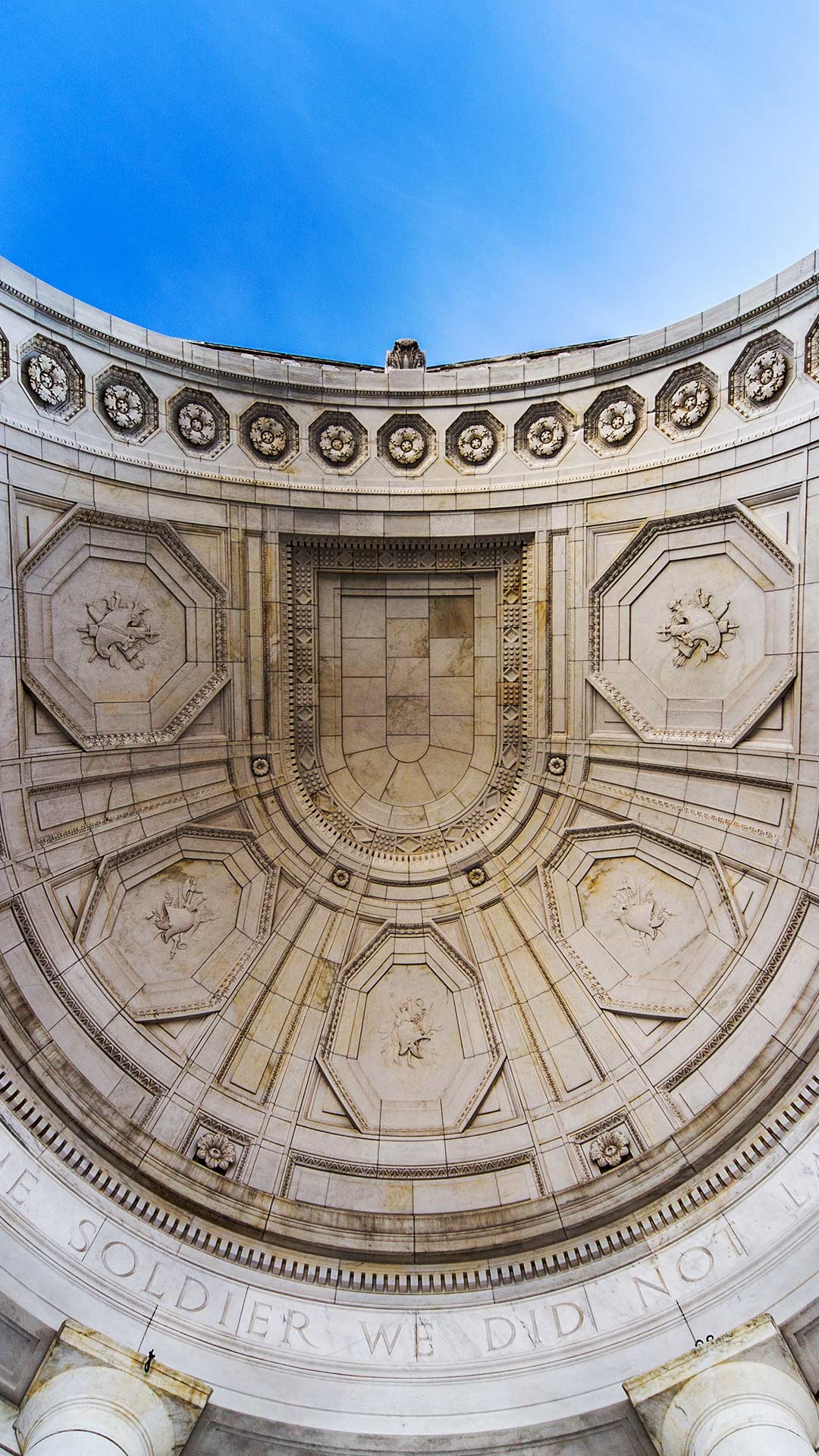
| en | • | Memorial Amphitheater at Arlington National Cemetery, Arlington, Virginia |
| (© idesignimages/Getty Images) |
Memorial Day
Memorial Day honors the men and women who lost their lives while serving in the United States Armed Forces. Observed on the last Monday in May, the holiday traces its origins to the years following the Civil War, when communities began decorating the graves of fallen soldiers. Over time, it became a national observance dedicated to remembrance and gratitude—marked by solemn ceremonies, moments of silence, and visits to memorials across the country.
Today's image looks up at the Memorial Amphitheater at Arlington National Cemetery in Arlington, Virginia, the focal point of the nation's Memorial Day ceremonies. Dedicated in 1920, the amphitheater's marble colonnade and coffered ceiling frame annual observances attended by US presidents, veterans, and the families of the fallen. Located beside the Tomb of the Unknown Soldier, the site underscores Arlington's enduring role as a place of honor and national memory, drawing millions of visitors each year.


| 2026‑05‑25 ‑ | Italy |
|---|
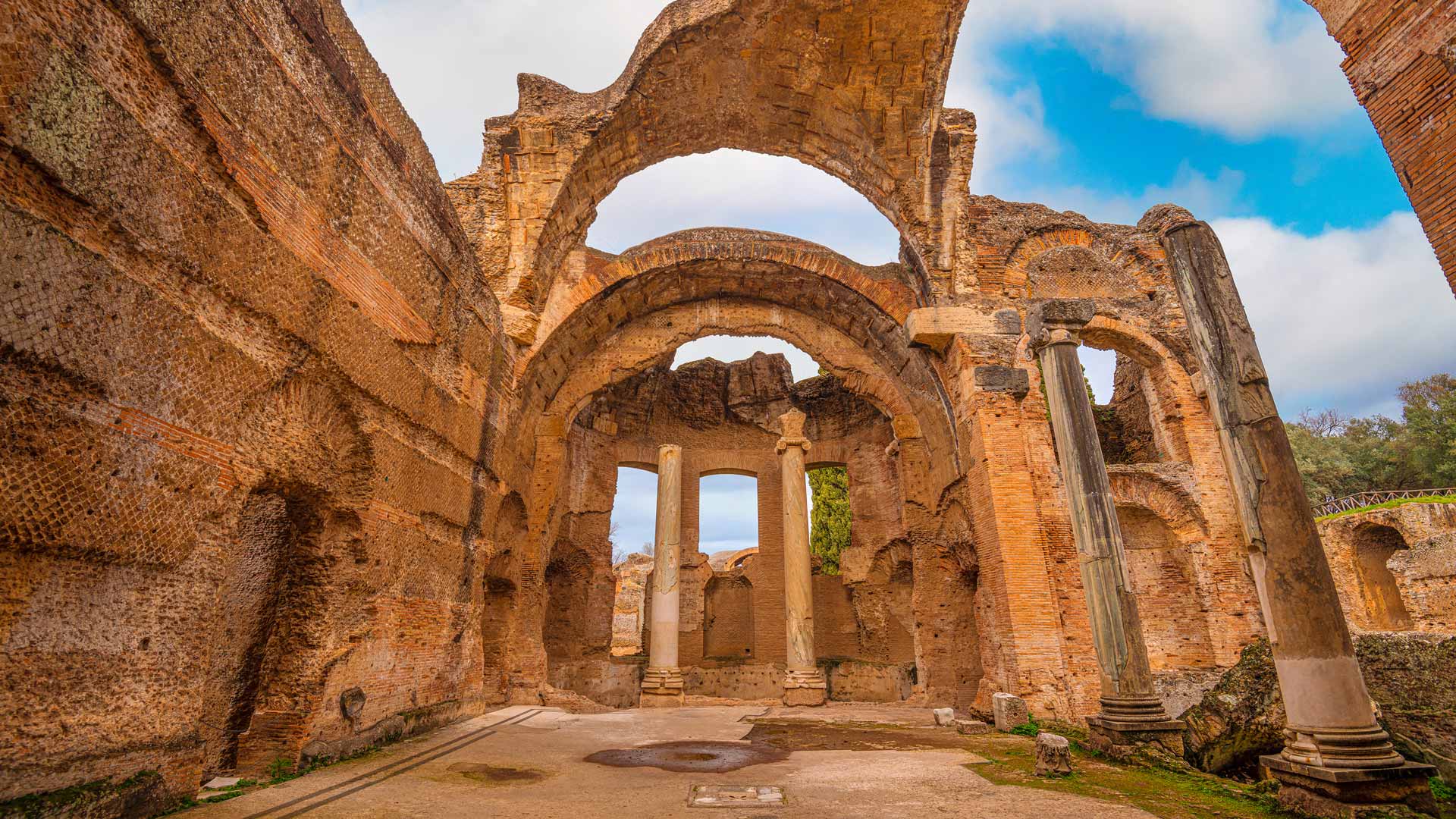
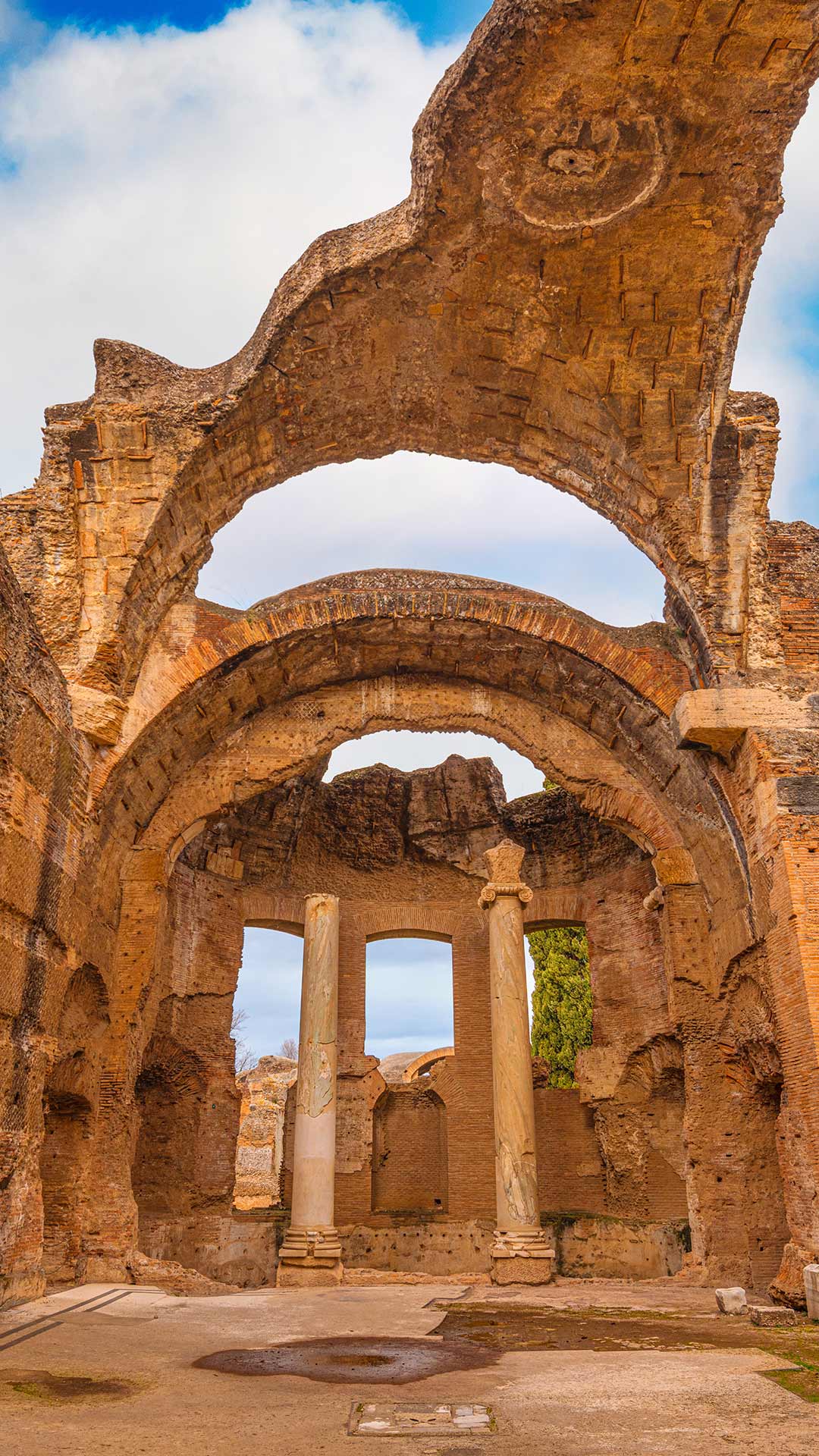
| it | • | Villa Adriana, Tivoli, Lazio |
| (© SeanSavonePhoto/Adobe Stock) |
Hadrian's Villa, Tivoli, Lazio
A few kilometers from Rome, Hadrian's Villa is more than an imperial residence: it is a mental landscape. Commissioned by Hadrian in the second century AD, it was born as a refuge and vision, away from the noise of power. Here the emperor reassembles the places loved in his travels, such as those made in Greece, Egypt and the East. This is how spaces are born that do not imitate, but evoke, like the Canopus, a mirror of water and memory. The villa is a system of balances, between architecture and nature, order and surprise, light and shadow. Daring domes, water features, perspectives designed to get lost. It is not only Roman grandeur, but an idea of the world, fluid, cultured, intimate.
After Hadrian's death, the villa experienced abandonment and spoliation, becoming over the centuries a quarry of materials and a source of inspiration for Renaissance artists and architects. Even today, among ruins and silences, it retains a sense of measure and mystery that continues to question those who cross it.

| 2026‑05‑25 ‑ | Germany |
|---|
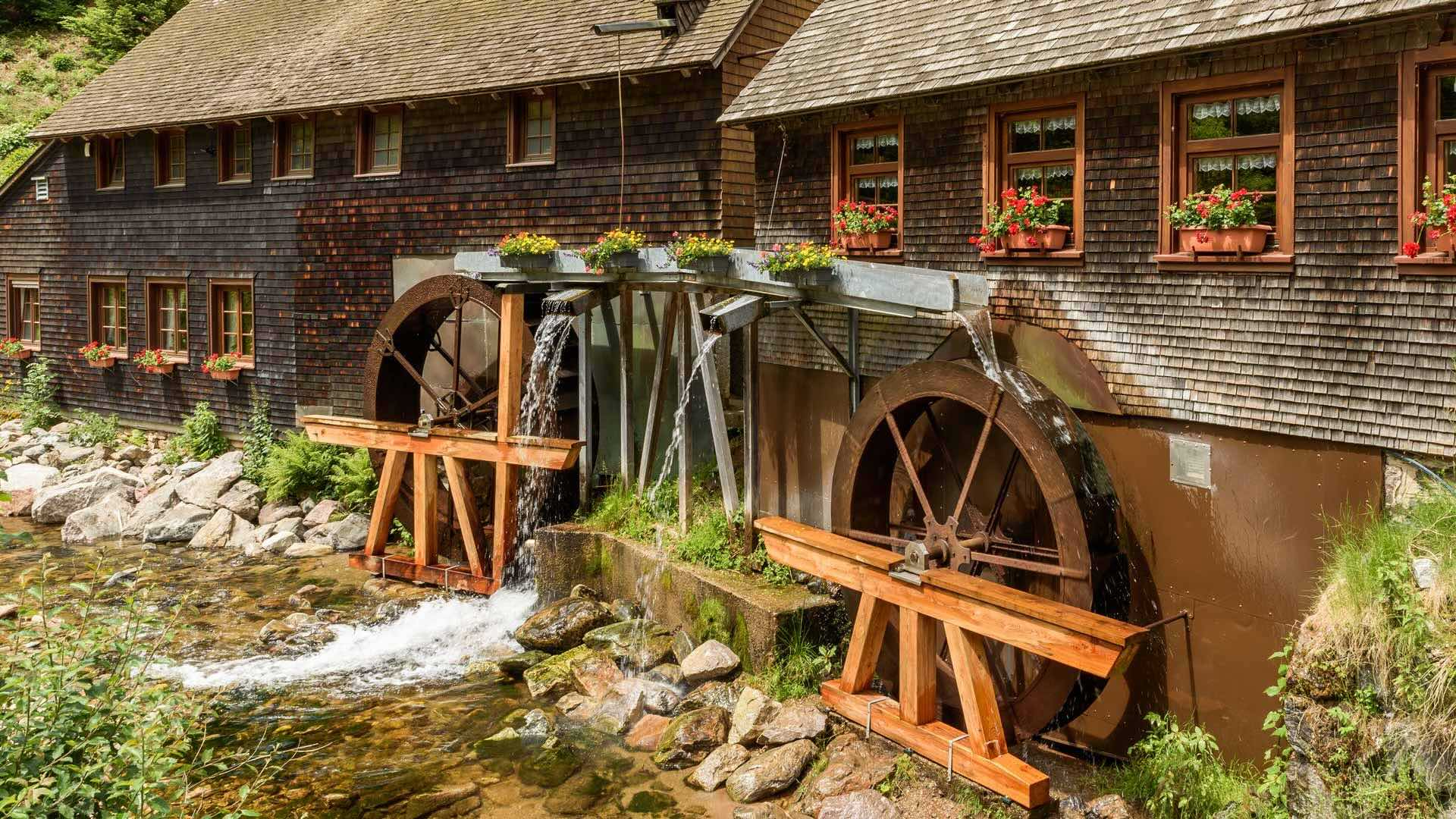
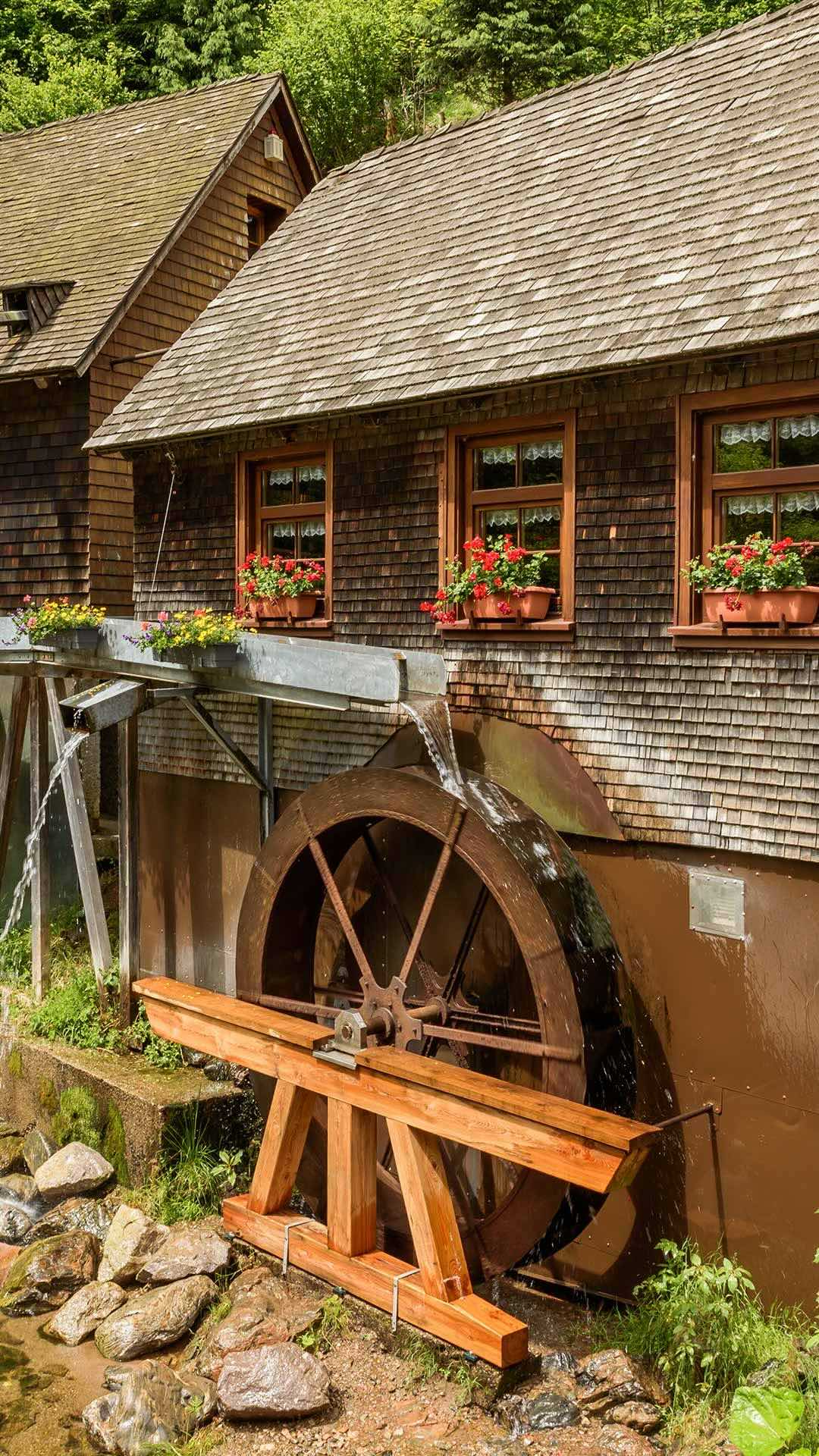
| de | • | Die Hexenlochmühle im Schwarzwald bei Furtwangen, Baden‑Württemberg |
| (© Conny Pokorny/Shutterstock) |
German Mill Day
Every year on Whit Monday, the German Mill Day focuses on historic windmills and watermills throughout the country. The day of action reminds us of the central role they played for centuries in the skilled trades, energy generation and the regional economy - and why their preservation is still important today.
The Hexenlochmühle in the Black Forest shown in the picture is hidden in a narrow gorge between St. Märgen and Furtwangen. Built in 1825, it is still powered by the Heubach today. Two water wheels supply separate work areas – a special feature that makes them unique in the Black Forest. Originally used as a nail forge and later expanded by a sawmill, the historic water wheels still drive a high-speed saw and a circular saw.To
this day, the mill is family-owned and is maintained as a technical monument as well as part of everyday regional life. Today, the historic site is not only preserved for demonstration purposes, but also used as an inn - an example of how old mill technology and modern everyday life come together at this location.

| 2026‑05‑25 ‑ | Japan |
|---|---|
| 2026‑05‑05 ‑ | India |
| 2026‑05‑02 ‑ | United Kingdom |
| 2026‑05‑01 ‑ | International / Canada ‑ English / Canada ‑ French / Germany / Italy / Spain |
| de | • | Leuchtturm Tŵr Mawr, Ynys Llanddwyn, Anglesey, Wales |
| en | • | Tŵr Mawr lighthouse on Llanddwyn Island in Anglesey, Wales |
| • | Tŵr Mawr Lighthouse, Ynys Llanddwyn, Anglesey, Wales | |
| es | • | Faro de Tŵr Mawr en la isla de Llanddwyn, en Anglesey, Gales |
| fr | • | Phare de Tŵr Mawr, Ynys Llanddwyn, Anglesey, Pays de Galles |
| it | • | Faro di Tŵr Mawr, isola di Llanddwyn, Anglesey, Galles |
| ja | • | トゥール・マウル灯台, ウェールズ |
| (© Lukas Bischoff/Getty Images) |
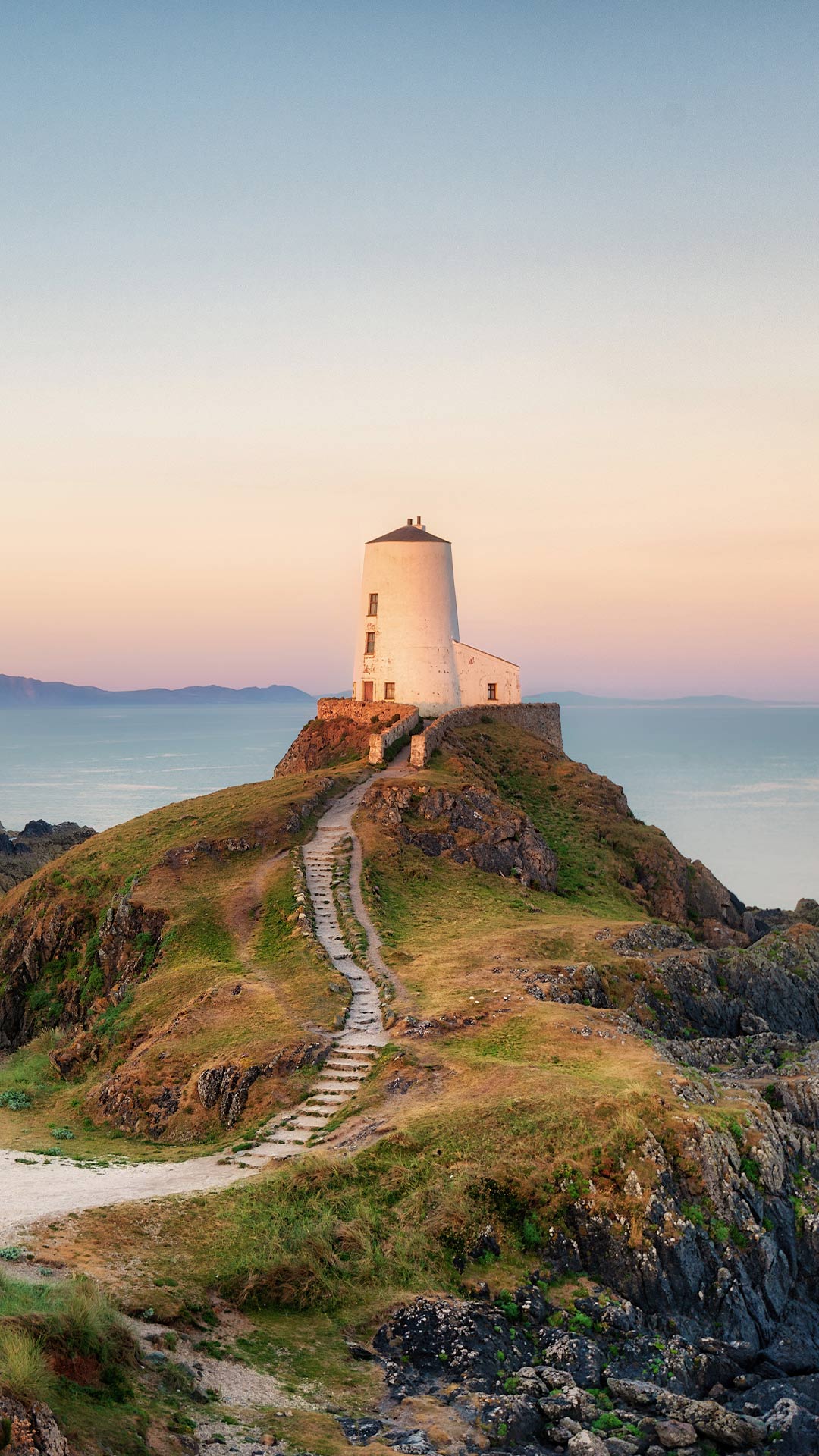
Tŵr Mawr lighthouse, Anglesey, Wales
At the far edge of Ynys Llanddwyn, where the land quietly gives way to sea, Tŵr Mawr Lighthouse stands watch without making a fuss. It is not tall, not flashy, but it knows its purpose—and it keeps it bright.
Built in 1845 on Anglesey's southwest coast in Wales, Tŵr Mawr (Great Tower) guided ships through the Menai Strait. At over 10 metres high, its tapered shape hints at a windmill past. It stands near Tŵr Bach (Small Tower), which now carries the active light, while Tŵr Mawr enjoys retirement as a Grade II listed landmark. Back in 1861, its lantern used Argand lamps, a Fresnel lens and a silver-plated reflector.
Set on a tidal island, access depends on the sea's mood, so check the tide tables or risk being cut off. The site has also stepped into the spotlight, featuring in the 2006 film 'Half Light.' Nearby, the old Pilots' Cottages recall a time when crews stayed on watch, guiding ships through the tricky western approach to the strait. Throw in sweeping views towards Snowdonia (Eryri) National Park, and it is no surprise this lighthouse is often camera-ready.








| 2026‑05‑24 ‑ | International / China / France / Germany / India / Italy / Japan / Spain / United Kingdom / United States |
|---|
| de | • | Naturpark Drei Zinnen, Südtirol, Italien |
| en | • | Tre Cime Nature Park, South Tyrol, Italy |
| es | • | Parque natural Tre Cime, Tirol del Sur, Italia |
| fr | • | Parc naturel Trois Cimes, Bolzano, Italie |
| it | • | Parco naturale Tre Cime, Trentino-Alto Adige |
| ja | • | トレ・チーメ自然公園, イタリア |
| zh | • | 三峰自然公园,南蒂罗尔,意大利 |
| (© Adisorn Fineday Chutikunakorn/Getty Images) |
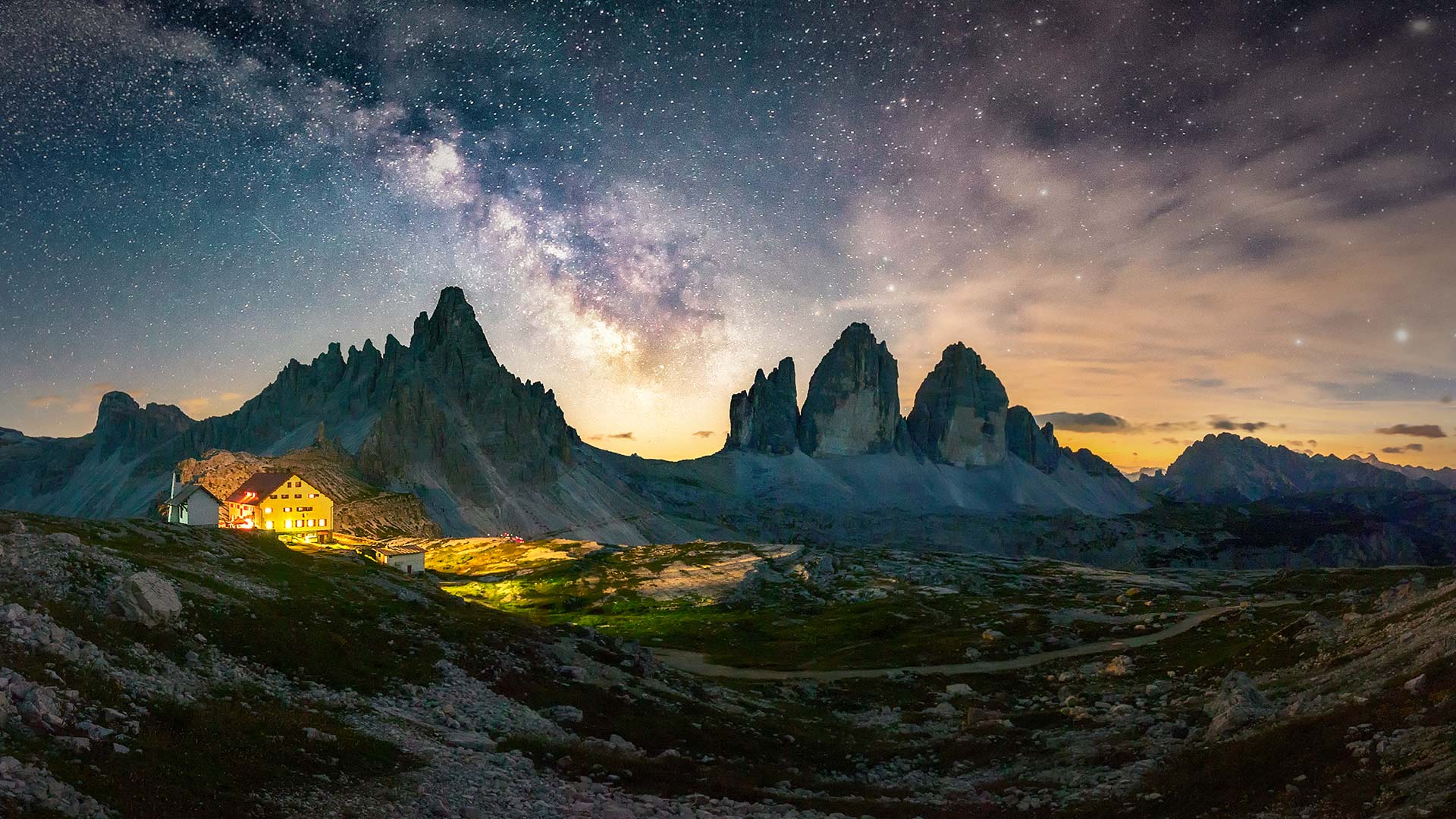
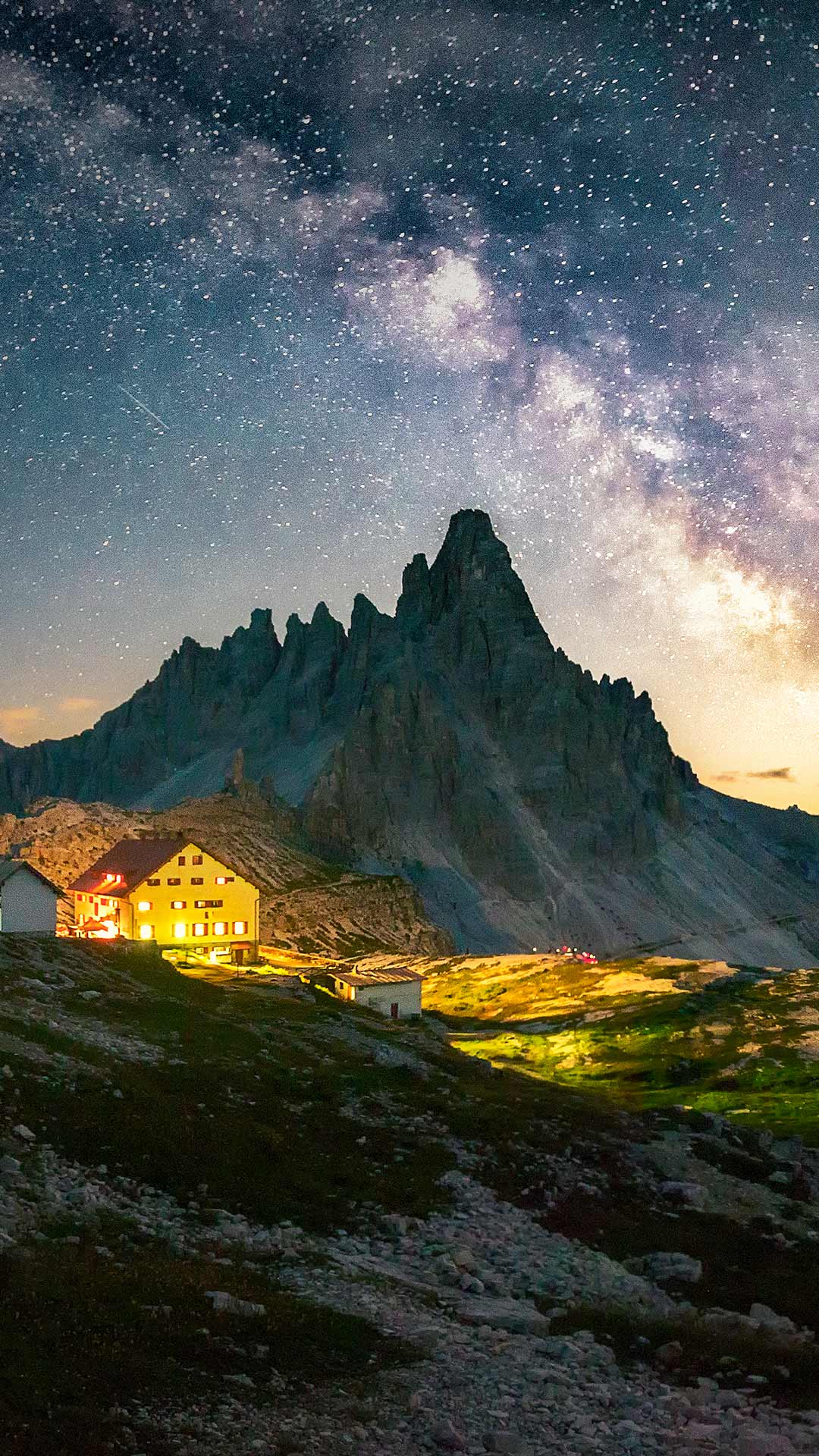
Tre Cime Nature Park, South Tyrol, Italy
Today's image highlights a prime example of long-term conservation efforts: Tre Cime Nature Park in northern Italy. Located in the Dolomites—a UNESCO World Heritage Site known for striking geology—the park was established in 1981. It is best known for the Tre Cime di Lavaredo: three towering dolomite peaks that rise sharply above alpine meadows. Their sheer rock faces make them among the Alps' most recognisable landmarks.
Created to protect fragile alpine ecosystems, Tre Cime Nature Park spans 116 square kilometres and balances preservation with carefully managed access. Well-maintained trails guide visitors through the landscape, and limits on development help safeguard native wildlife and the area's rugged character. The park is also a haven for birdwatchers, with species such as Alpine accentors, red woodpeckers, pygmy owls and snow grouse commonly spotted. It's a landscape that rewards patience—look closely, and it's full of life in motion.


| 2026‑05‑24 ‑ | Canada ‑ English / Canada ‑ French |
|---|
| en | • | A mute swan reflected on tranquil waters |
| fr | • | Cygne tuberculé sur un plan d’eau calme |
| (© Don White/Getty Images) |
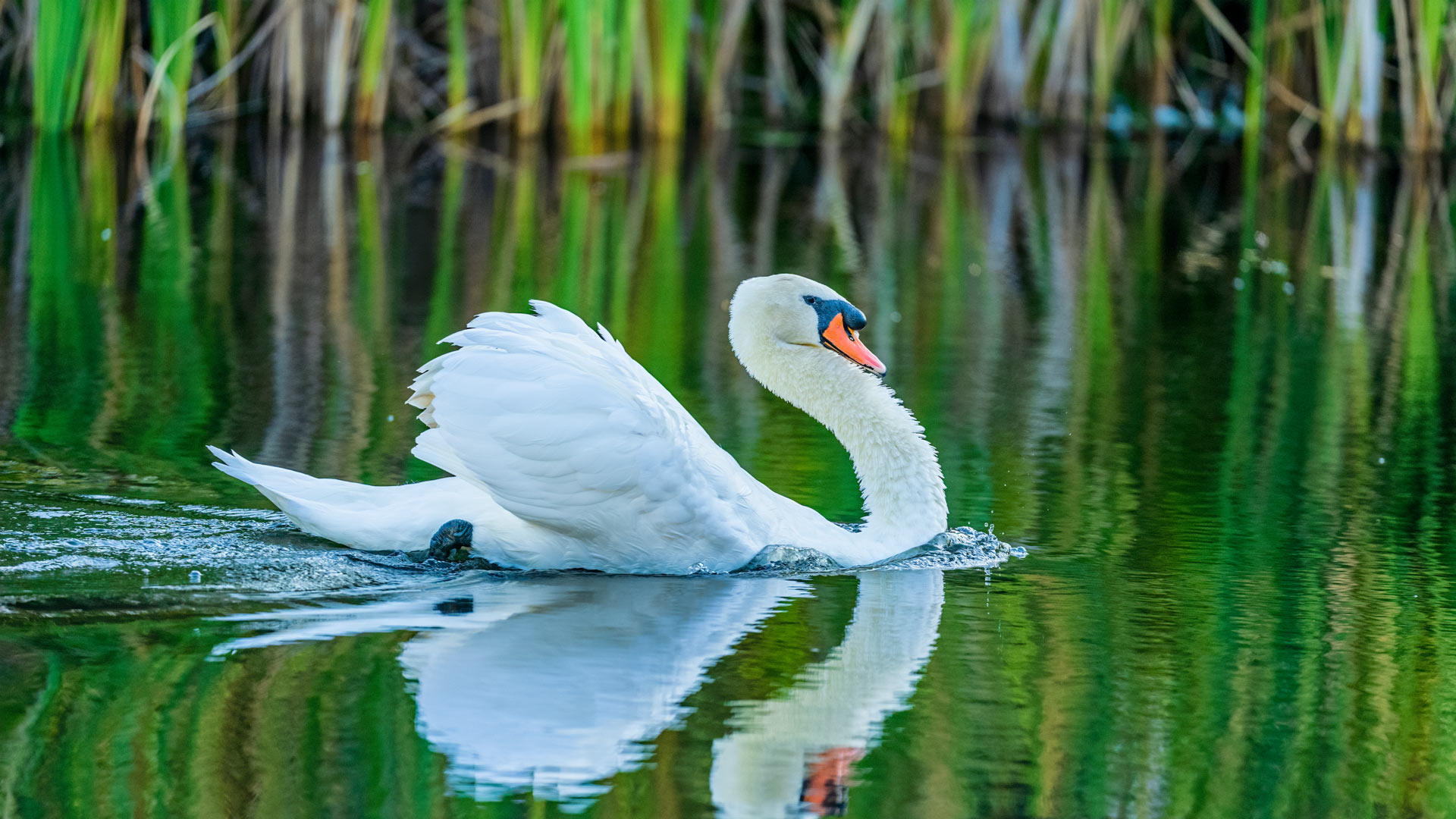
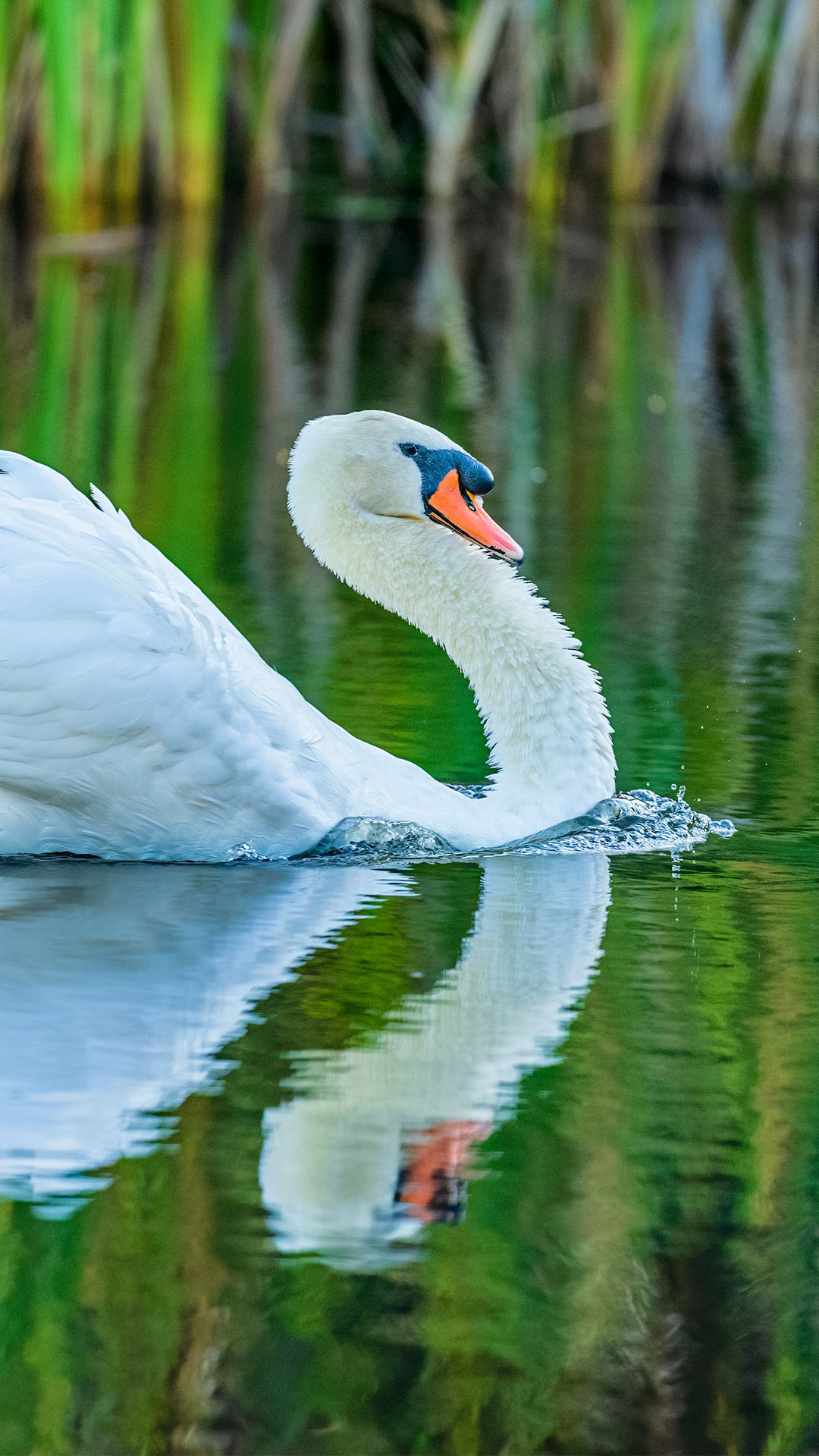
A mute swan reflected on tranquil waters
Swans are admired for their looks, but there is more going on than a calm, graceful glide over the water. These strong, territorial birds have a long history of human involvement. Introduced to Canada from Europe in the 1870s for parks and estates, mute swans established feral populations that now live year-round in parts of Ontario and beyond.
What keeps them going? Their diet is rooted underwater. They feed by upending and pulling up submerged vegetation, and this can strip large patches of wetland plants. During courtship, mute swans produce soft grunts, snorts and a series of rhythmic sounds. A cob and pen form a long-term pair, building nests close to shore. The pen lays several eggs, and both adults guard the brood. Cygnets grow quickly and stay with their parents through their first season.
Their role does not end here. The mute swan is Denmark's national bird and appears in Hans Christian Andersen's tale 'The Ugly Duckling,' a story shaped by the bird's quiet transformation. In Britain, the tradition of Swan Upping still tracks and protects swans along the River Thames.