Bing daily wallpapers
page 10 / 20
| 2026‑05‑30 ‑ | Spain |
|---|
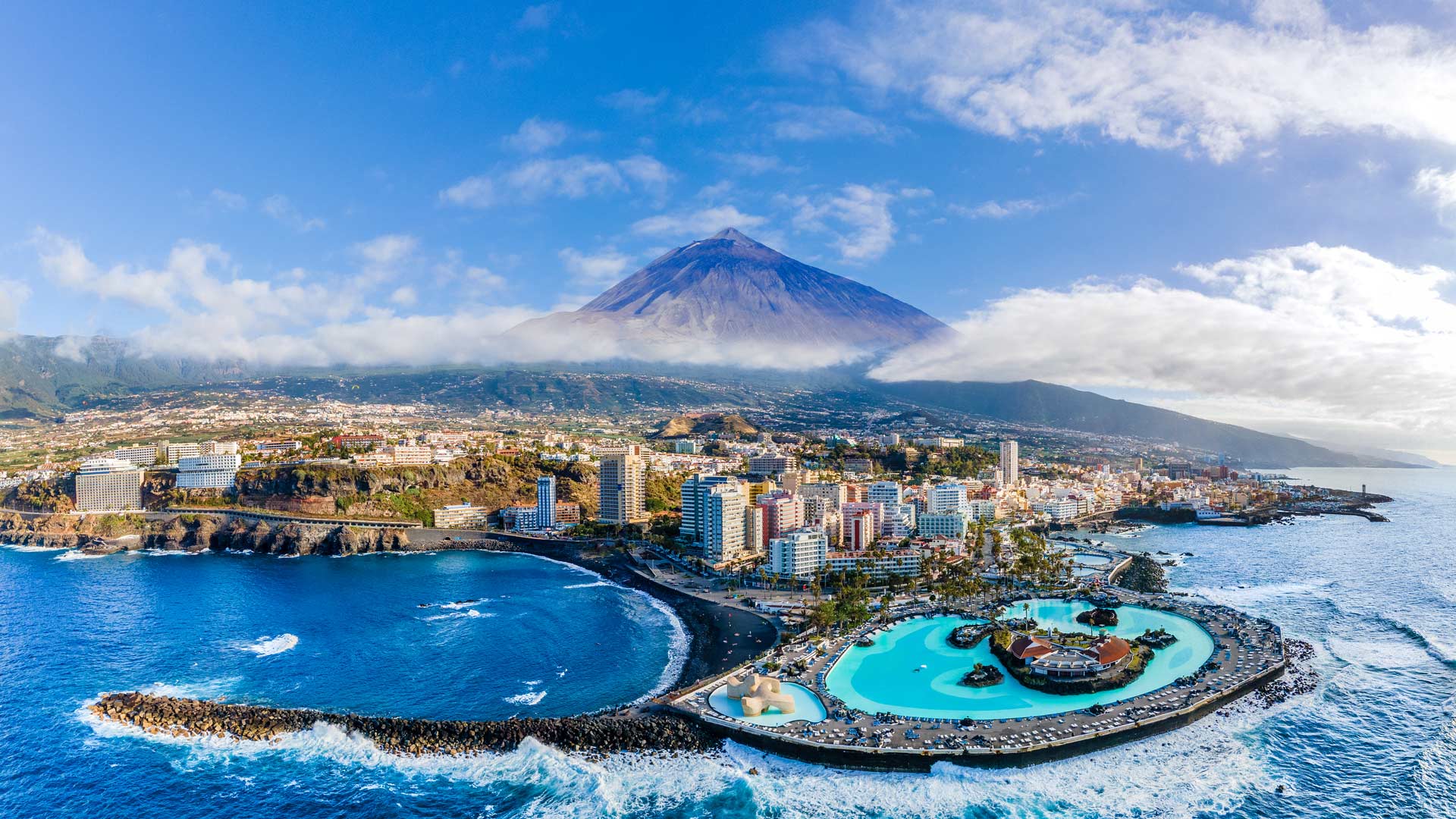
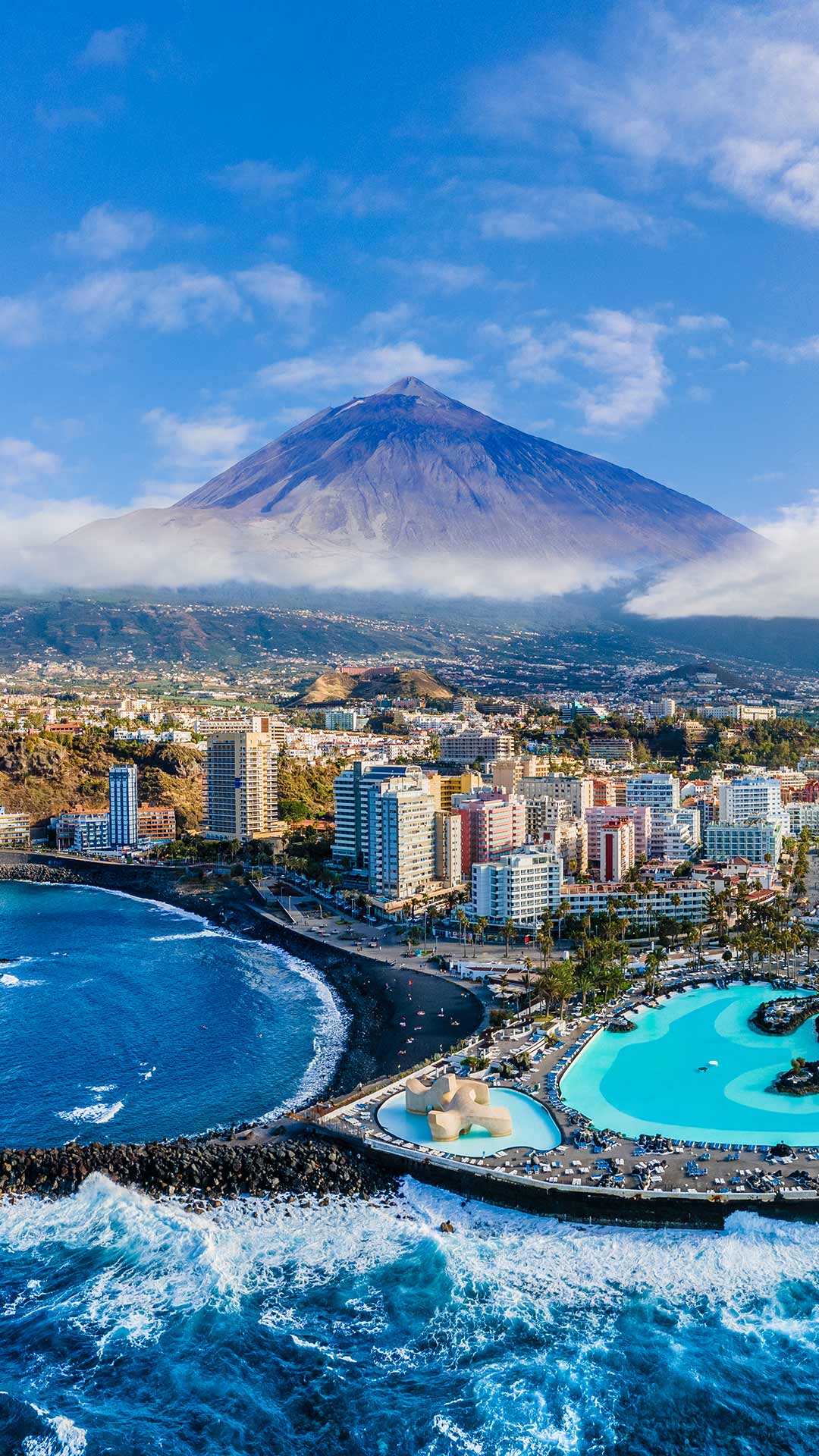
| es | • | Vista aérea del Puerto de la Cruz, Tenerife |
| (© Balate Dorin/Getty Images) |
Canary Islands Day
On May 30, Canary Islands Day is celebrated, a date that commemorates the identity, history and culture of the archipelago. It is a day marked by popular traditions, music, gastronomy and meetings that recall the diverse character of these Atlantic islands. The celebration also invites us to value its natural environment and the historical relationship between landscape and daily life in a territory defined by the sea and volcanic origin.
In this context, Puerto de la Cruz, in Tenerife, stands out, whose elevated view reveals a harmony between nature and urban planning. The coastline opens up between volcanic formations and the ocean, while the city is organized around emblematic gardens and promenades. This enclave sums up the Canarian spirit, where heritage, climate and landscape combine to offer a recognisable image deeply linked to the island's culture.


| 2026‑05‑29 ‑ | International / Brazil / Canada ‑ English / Canada ‑ French / China / France / Germany / India / Italy / Japan / Spain / United Kingdom / United States |
|---|
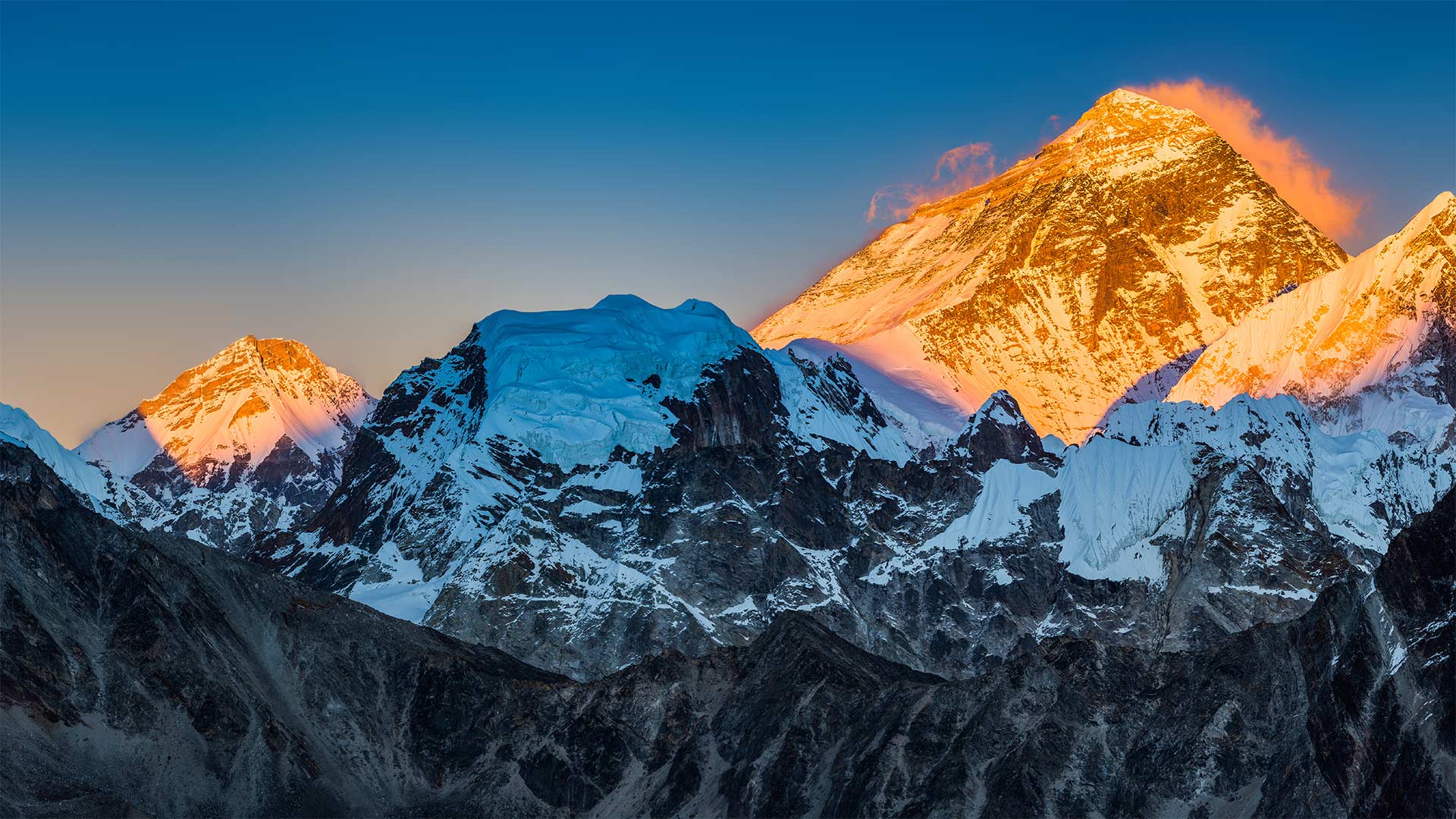
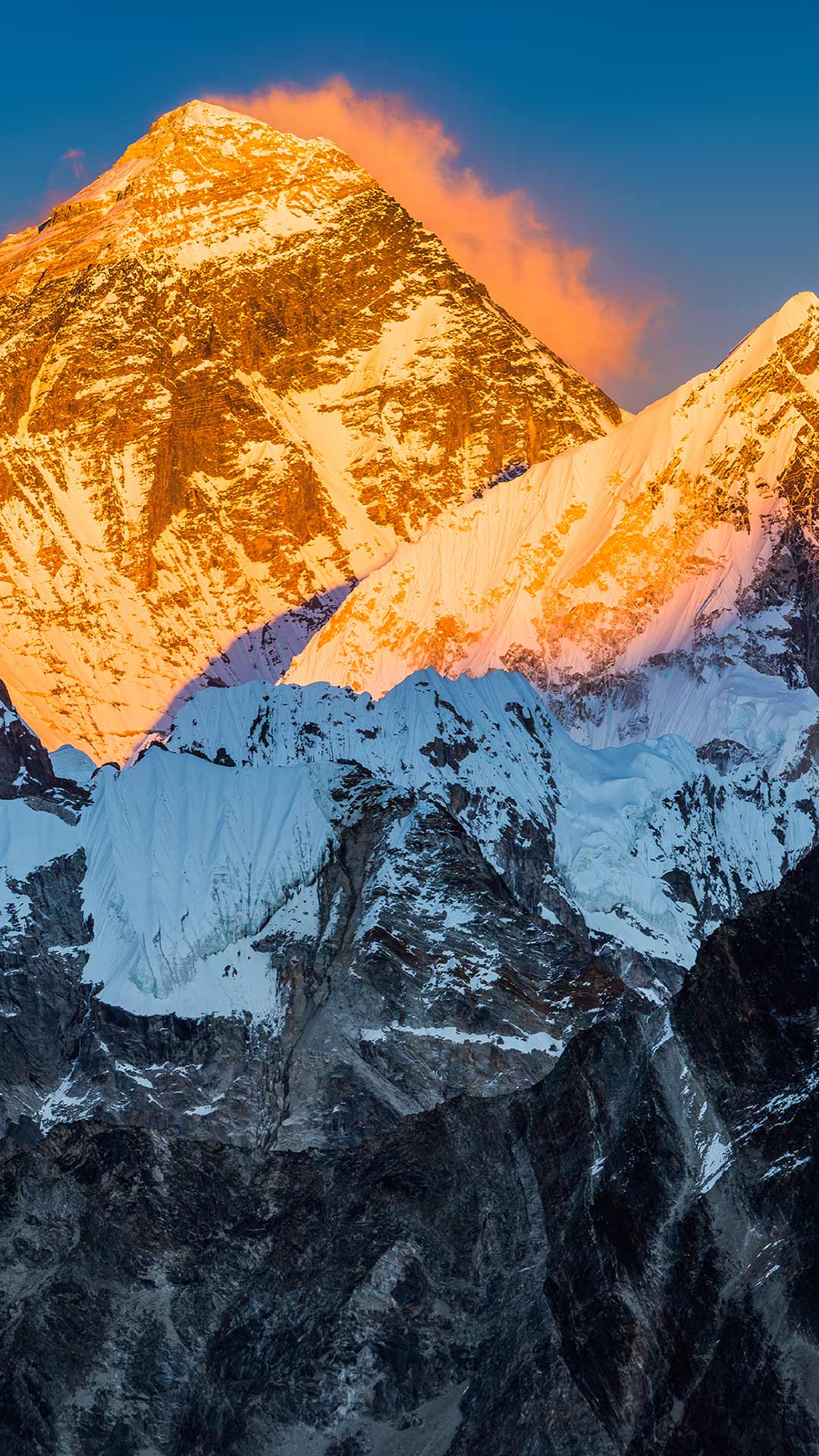
| de | • | Gipfel des Mount Everest, Sagarmatha-Nationalpark, Nepal |
| en | • | Mount Everest summit, Sagarmatha National Park, Nepal |
| es | • | Cumbre del monte Everest, Parque Nacional de Sagarmatha, Nepal |
| fr | • | Mont Everest, Parc national de Sagarmatha, Népal |
| it | • | Monte Everest, parco nazionale di Sagarmatha, Nepal |
| ja | • | エベレスト, ネパール |
| pt | • | Topo do Monte Everest, Parque Nacional de Sagarmatha, Nepal |
| zh | • | 珠穆朗玛峰峰顶,萨加玛塔国家公园,尼泊尔 |
| (© fotoVoyager/Getty Images) |
Mount Everest summit, Sagarmatha National Park, Nepal
In Sagarmatha National Park, Nepal, Mount Everest rises into view, calm and unmoved as evening settles in. That stillness was broken in 1953. After years of planning and weeks of climbing, New Zealander Edmund Hillary and Sherpa mountaineer Tenzing Norgay reached the summit. At just under 8,850 metres above sea level, they became the first people known to have stood at Earth's highest point.
That moment became part of a much older story. Long before modern expeditions arrived, local communities honoured the mountain as sacred. They lived in its shadow, reading its moods with knowledge refined over generations. Such understanding proved essential in a place shaped by thin air, sudden storms and unforgiving routes.
Everest rises above forests of fir, birch and rhododendron, while snow leopards, red pandas and Himalayan tahrs inhabit the surrounding region. As daylight fades across the mountain, the glow along its peak reflects centuries of endurance, belief and exploration in the Himalayas.












| 2026‑05‑28 ‑ | International / Brazil / Canada ‑ English / Canada ‑ French / China / France / Germany / India / Italy / Japan / Spain / United Kingdom / United States |
|---|
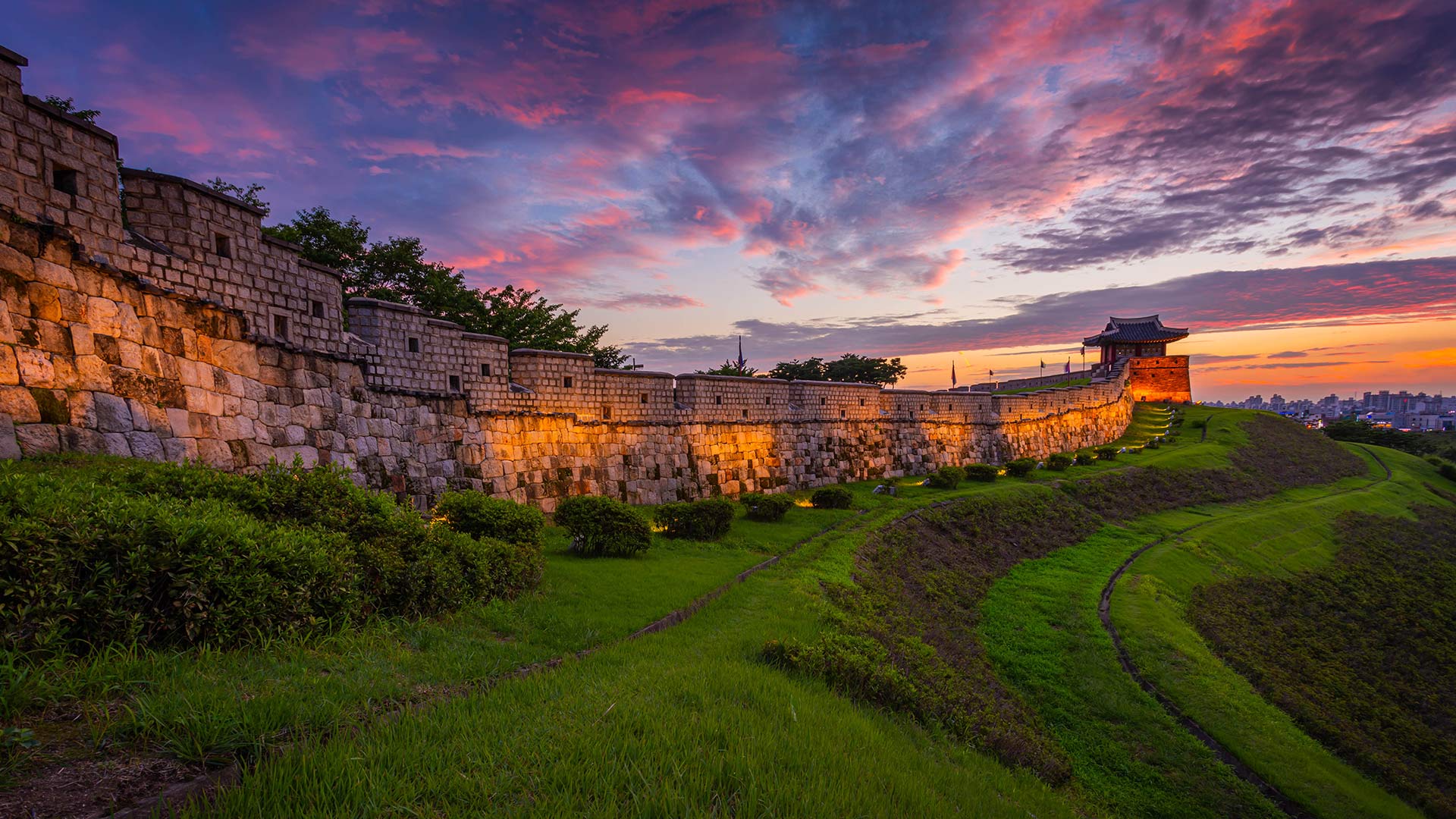
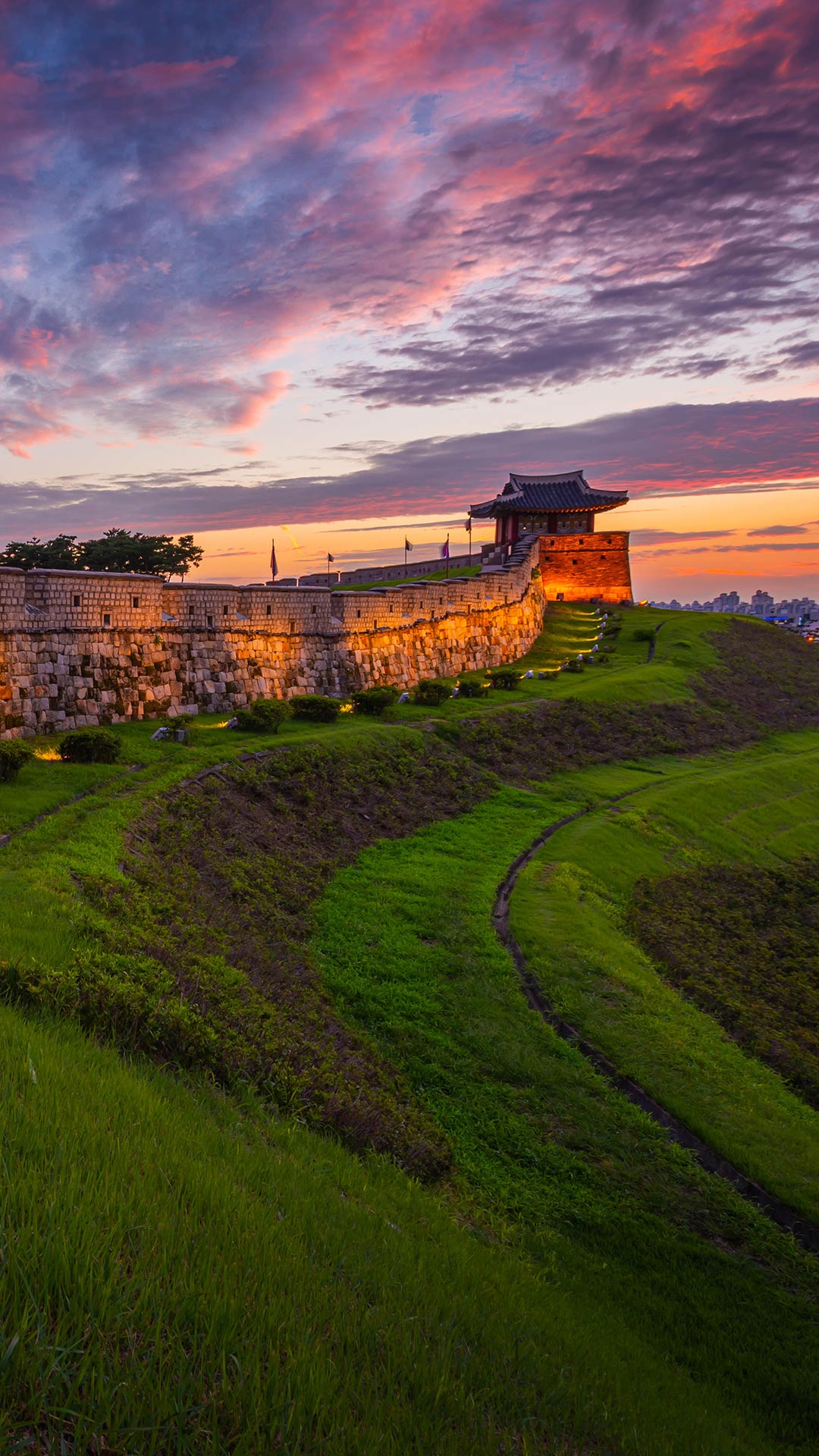
| de | • | Alte Stadtmauer der Festung Hwaseong, Suwon, Südkorea |
| en | • | Old city wall of Hwaseong Fortress, Suwon, South Korea |
| es | • | Antigua muralla de la fortaleza de Hwaseong, Suwon, Corea del Sur |
| fr | • | Forteresse de Hwaseong, Suwon, Corée du Sud |
| it | • | Antiche mura della fortezza di Hwaseong, Suwon, Corea del Sud |
| ja | • | スウォンファソン, 韓国 水原市 |
| pt | • | Muralha da Fortaleza de Hwaseong, Suwon, Coreia do Sul |
| zh | • | 华城堡的古城墙,水原,韩国 |
| (© aomam/Getty Images) |
Old city wall of Hwaseong Fortress, Suwon, South Korea
As night settles over Suwon, South Korea, the old city wall pictured here shows that function doesn't necessarily cancel out beauty—it can create it. Built between 1794 and 1796 under King Jeongjo of the Joseon Dynasty, Hwaseong Fortress was more than a barrier. It was policy in stone: a reform minded push for a leaner, better-run state, driven by practicality and a deeply personal motive. Jeongjo ordered its construction to honour his father while strengthening a kingdom that wanted smarter systems, not just thicker walls.
Ahead of its time, this masterpiece of Korean fortification hid innovation in plain sight. Rather than wrestling with the landscape, the wall—about 6 kilometres long—follows its curves. Bastions widened defensive coverage, watchtowers doubled as signalling points, concealed gates allowed discreet movement and pulley systems quickened construction. Recognised as a UNESCO World Heritage Site in 1997, the site is remarkably intact—and still very much in motion. Hwaseong remains walkable, watchable and woven into daily life. Defence by day, poetry by night.
| 2026‑05‑27 ‑ | International / Brazil / Canada ‑ English / Canada ‑ French / China / France / Germany / India / Italy / Japan / Spain / United Kingdom / United States |
|---|
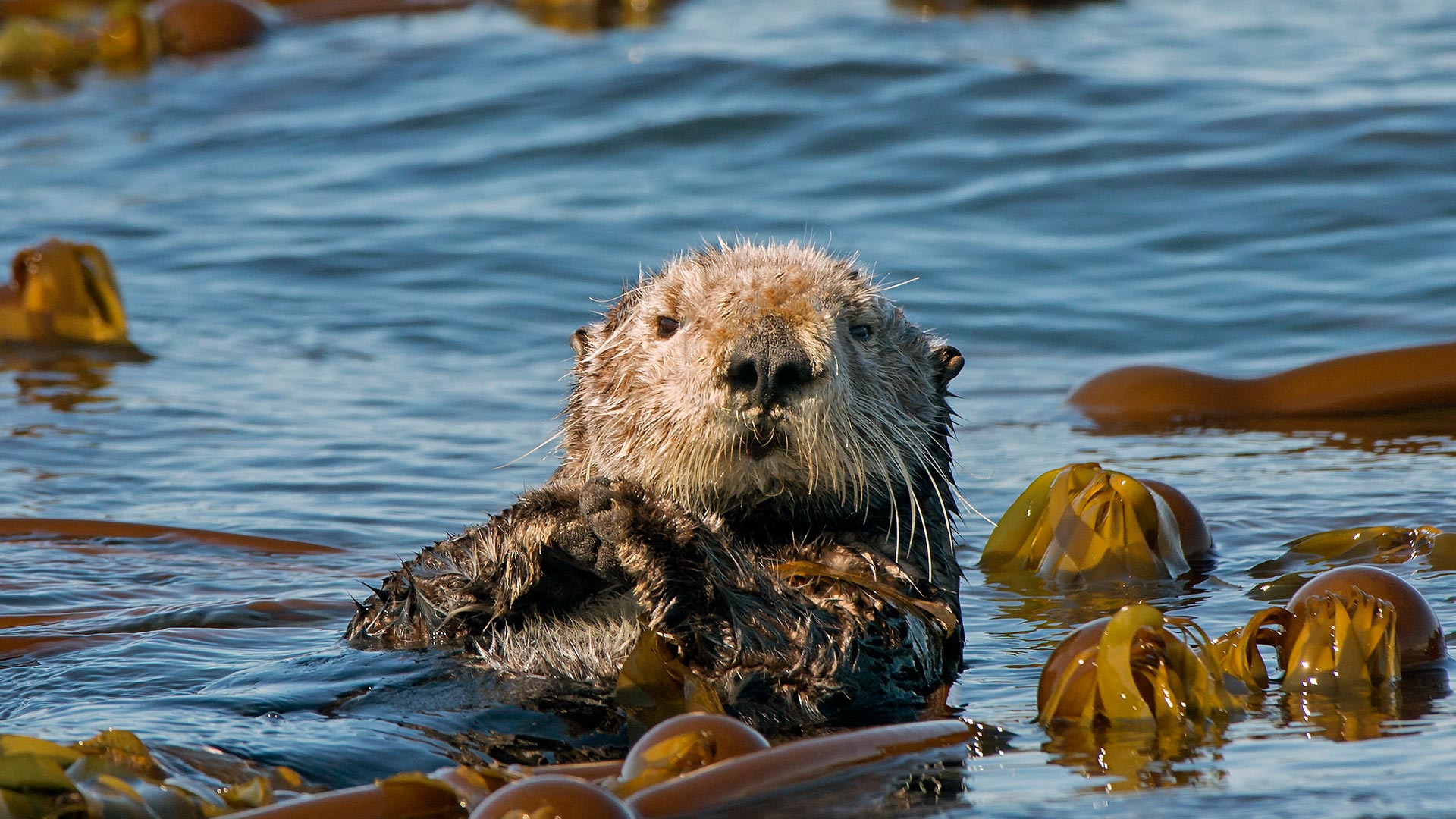
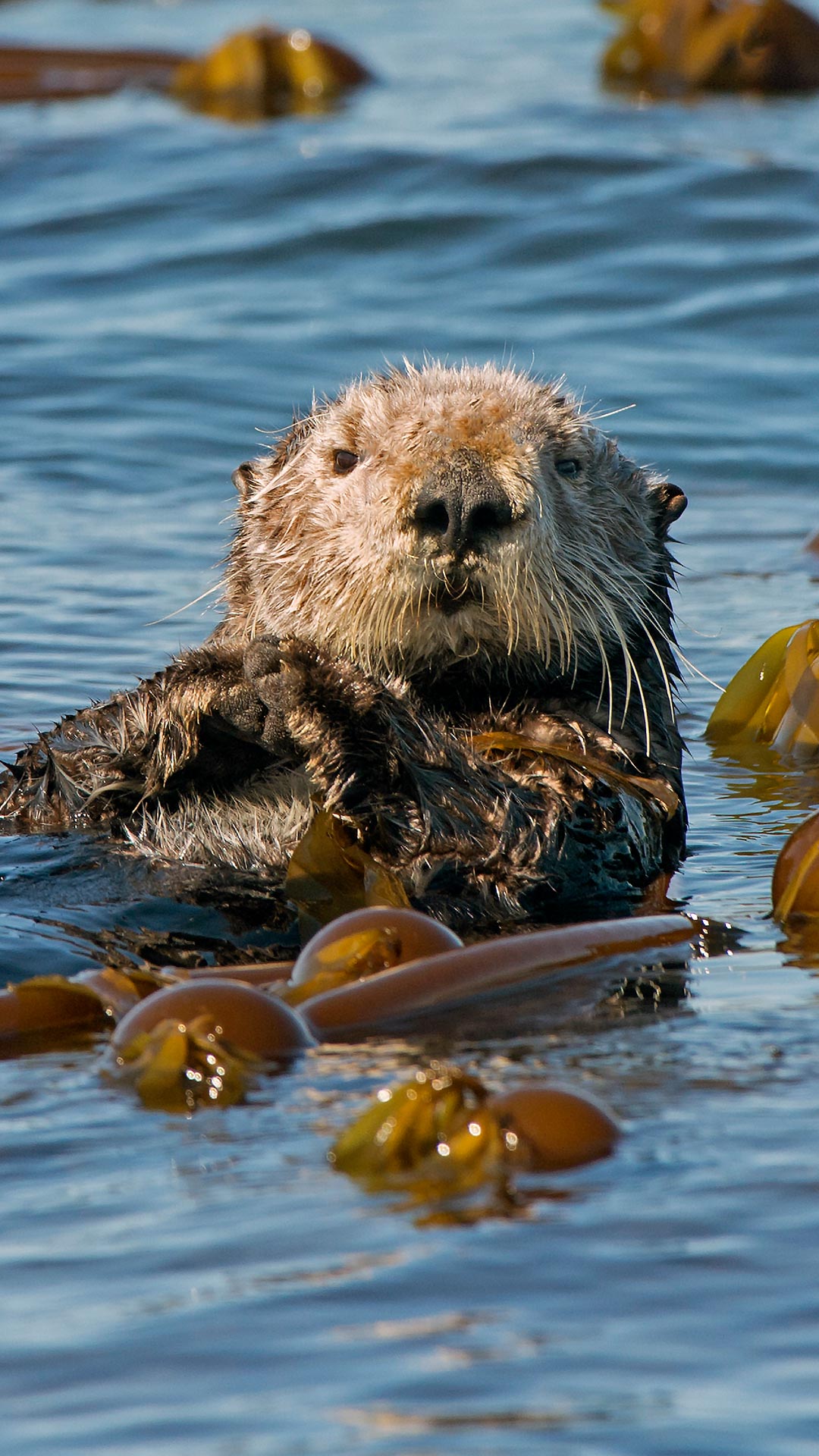
| de | • | Seeotter in der Kachemak Bay bei Homer, Alaska, USA |
| en | • | Sea otter, Kachemak Bay, Homer, Alaska |
| • | Sea otter, Kachemak Bay, Homer, Alaska, United States | |
| es | • | Nutria marina, bahía de Kachemak, Homer, Alaska, EE. UU. |
| fr | • | Loutre de mer, Baie de Kachemak, Homer, Alaska, États-Unis |
| it | • | Lontra marina, Kachemak Bay, Homer, Alaska, USA |
| ja | • | ラッコ, 米国 アラスカ州 |
| pt | • | Lontra-marinha, Baía de Kachemak, Homer, Alasca, Estados Unidos |
| zh | • | 海獭,霍默卡奇马克湾,阿拉斯加州,美国 |
| (© roclwyr/Getty Images) |
Sea otter, Kachemak Bay, Homer, Alaska, United States
Just look at this cutie swimming in the waters of Kachemak Bay in Alaska! Otters are captivating creatures that play an essential role in maintaining healthy ecosystems. Known for their playful behaviour and remarkable intelligence, otters are key indicators of waterway health. Sadly, they face growing challenges from habitat loss and pollution.
Sea otters are particularly important in coastal ecosystems, where their relationship with kelp forests earns them the title of 'climate heroes.' They help to maintain kelp by preying on sea urchins, which would otherwise destroy the brown algae that provides shelter and sustenance for numerous marine species.
Their presence is crucial not only for maintaining biodiversity, but also for combating climate change. Healthy kelp forests sequester carbon and protect coastlines from erosion. Protecting these charismatic animals means safeguarding the future of our planet's delicate coastal habitats.
| 2026‑05‑26 ‑ | International / Brazil / Canada ‑ English / Canada ‑ French / China / France / Germany / India / Italy / Japan / Spain / United Kingdom / United States |
|---|
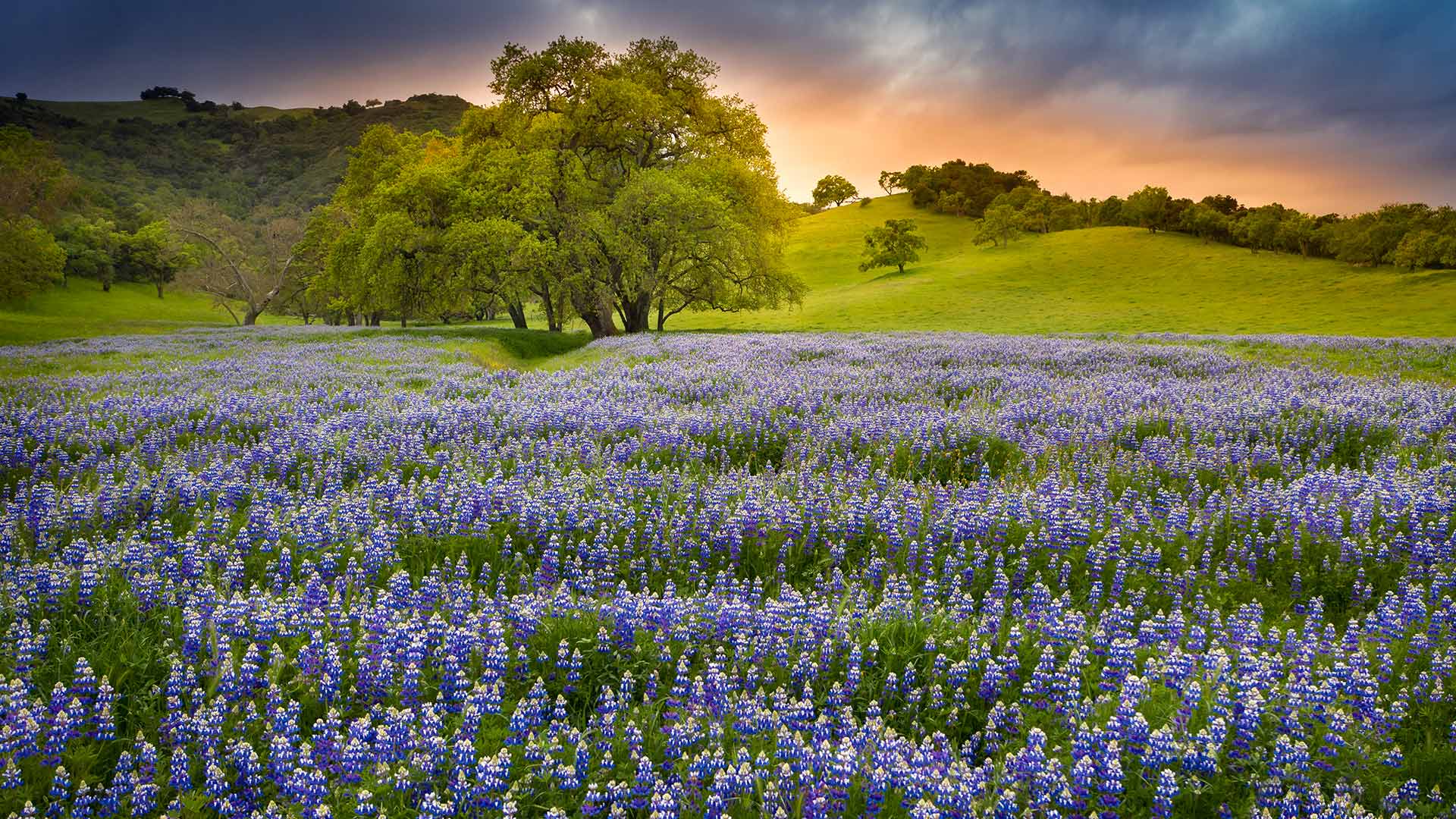
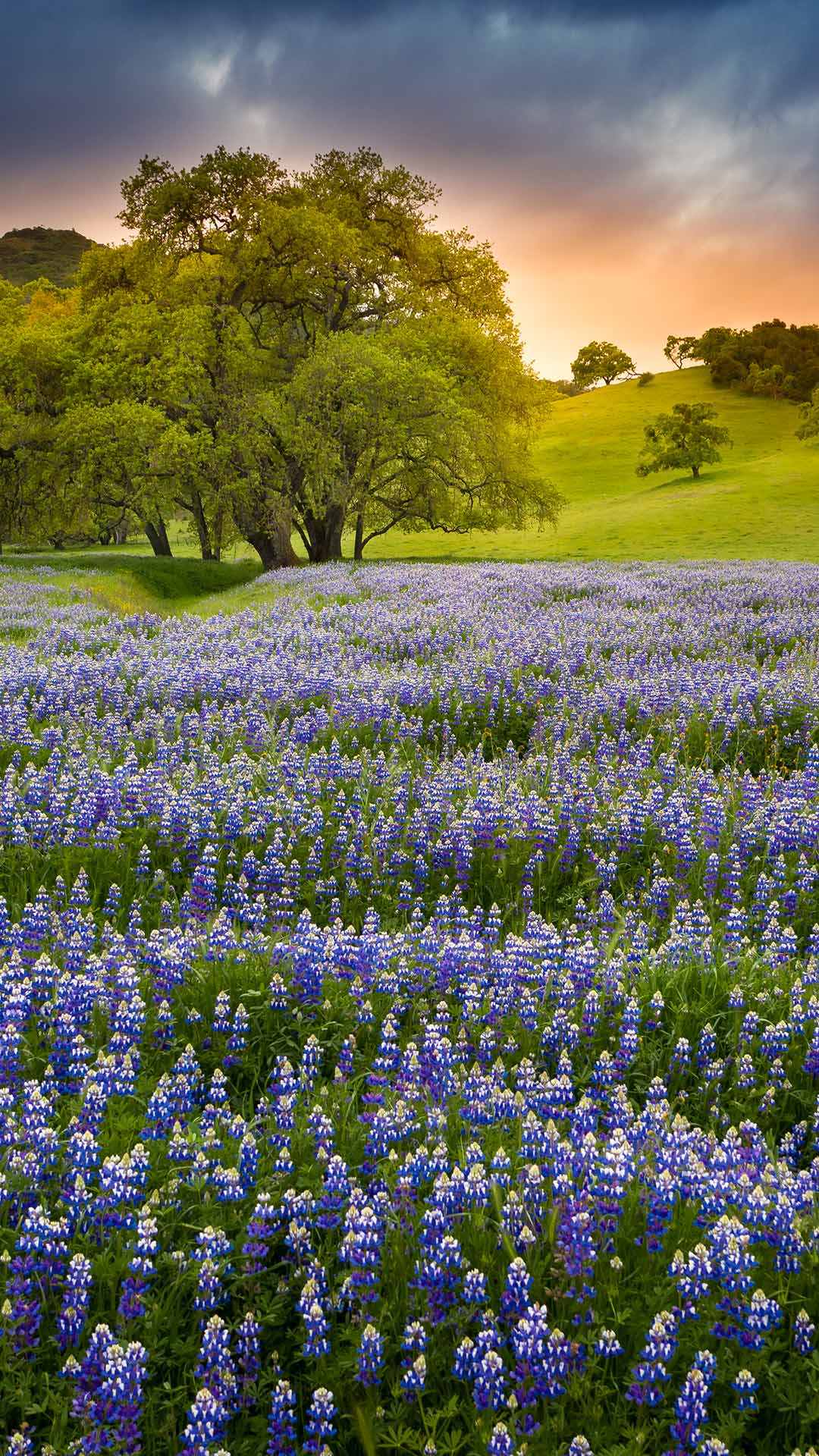
| de | • | Blühende Lupinen, Nordkalifornien, USA |
| en | • | Lupine flowers in bloom, Northern California |
| • | Lupine flowers in bloom, Northern California, United States | |
| es | • | Lupinos en flor, norte de California, EE. UU. |
| fr | • | Lupins en fleur, Californie du Nord, États-Unis |
| it | • | Fiori di lupino in fiore, California settentrionale, USA |
| ja | • | ルピナスの花, 米国 カリフォルニア州 |
| pt | • | Tremoceiros em flor, Califórnia, Estados Unidos |
| zh | • | 盛开的羽扇豆,北加利福尼亚州,美国 |
| (© Jeffrey Lewis/Tandem Stills + Motion) |
Lupine flowers in bloom, Northern California, USA
As spring sweeps across Northern California in the United States, the landscape is transformed by the vibrant displays of lupine flowers in shades of blue, purple and white. Flourishing in the region's Mediterranean climate, these wildflowers provide a vital source of nectar for pollinators such as bees, butterflies and beetles. With over 200 species found worldwide, lupines range from coastal varieties to those that thrive in mountain meadows. Beyond their striking beauty, lupines are essential to the ecosystem: by fixing nitrogen underground, they enrich soil fertility and support the growth of surrounding plants, even in nutrient-poor environments.
In some cultures, specially prepared lupine seeds are enjoyed as a snack. However, caution is necessary—untreated seeds are extremely bitter and potentially toxic. By late spring, the vibrant blooms give way to seed pods, continuing the cycle of life for another year. Witnessing this seasonal transformation offers a quiet reminder of how colour and life return to the land each year.
| 2026‑05‑25 ‑ | International / Brazil / Canada ‑ English / Canada ‑ French / China / France / India / Spain / United Kingdom |
|---|
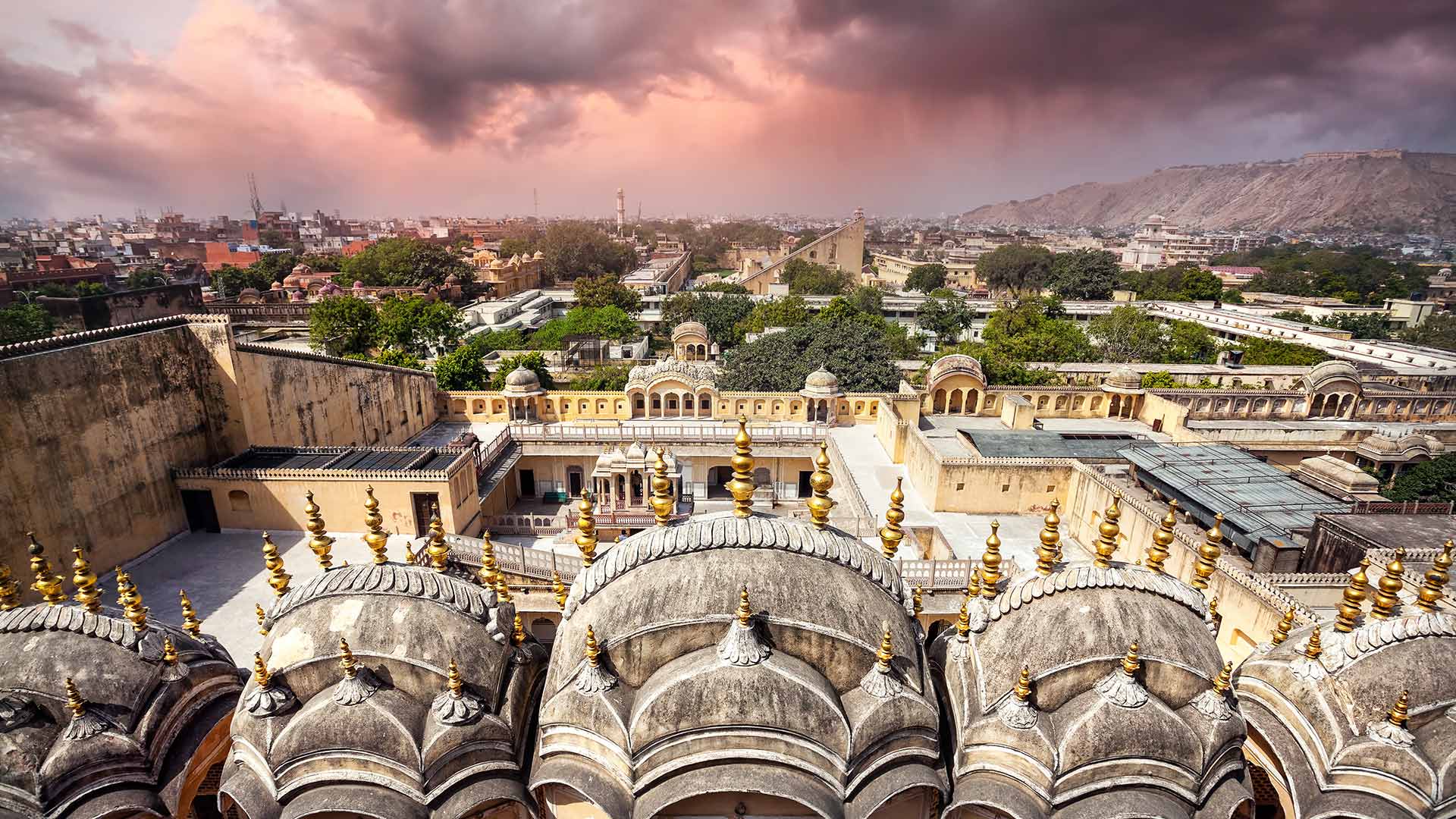
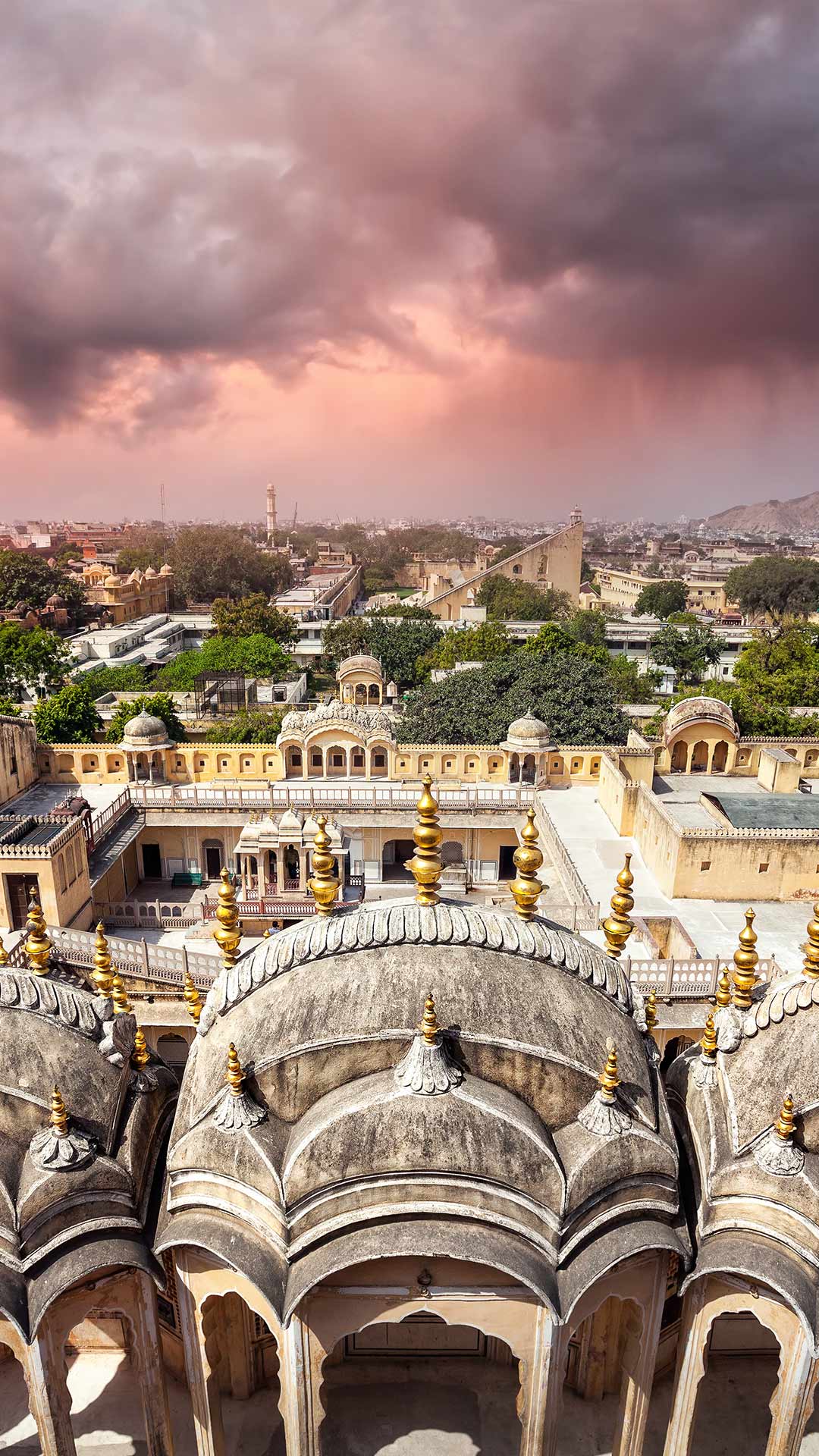
| en | • | View over Jaipur from Hawa Mahal, Rajasthan |
| • | View to Jaipur from Hawa Mahal palace, Rajasthan, India | |
| es | • | Vista de Jaipur desde el palacio Hawa Mahal, Rajastán, India |
| fr | • | Vue sur Jaipur depuis le Palais des Vents, Rajasthan, Inde |
| pt | • | Vista de Jaipur a partir do Hawa Mahal, Rajastão, Índia |
| zh | • | 从风之宫殿俯瞰斋浦尔市景,拉贾斯坦邦,印度 |
| (© byheaven/Getty Images) |
Hawa Mahal, Jaipur, Rajasthan
What if a building could breathe? In the middle of Jaipur, Hawa Mahal does exactly that—pulling in air, pushing out heat and turning architecture into a quiet science experiment. It's less a palace, more a perfectly timed exhale. And yes, it really does live up to its name: the 'Palace of Winds.'
The red-and-pink sandstone landmark was built in 1799 by Maharaja Sawai Pratap Singh and designed by Lal Chand Ustad. It was created for royal women to observe life in Johari Bazaar without being seen, following purdah customs that required them to veil their faces. The façade features 953 small windows, or jharokhas, that funnel breezes through the structure, keeping it naturally cool. Even more striking, the five-storey structure stands without a conventional foundation, supported by its pyramidal shape.
There's no front entrance from the street; access comes via the City Palace side. Inside, ramps replace stairs, easing the climb. Its crown-like shape nods to Lord Krishna, while its design blends Mughal arches with Rajput details. Hawa Mahal proves one thing: when design flows, everything else follows.