Bing daily wallpapers
page 9 / 20
| 2026‑06‑01 ‑ | Brazil |
|---|
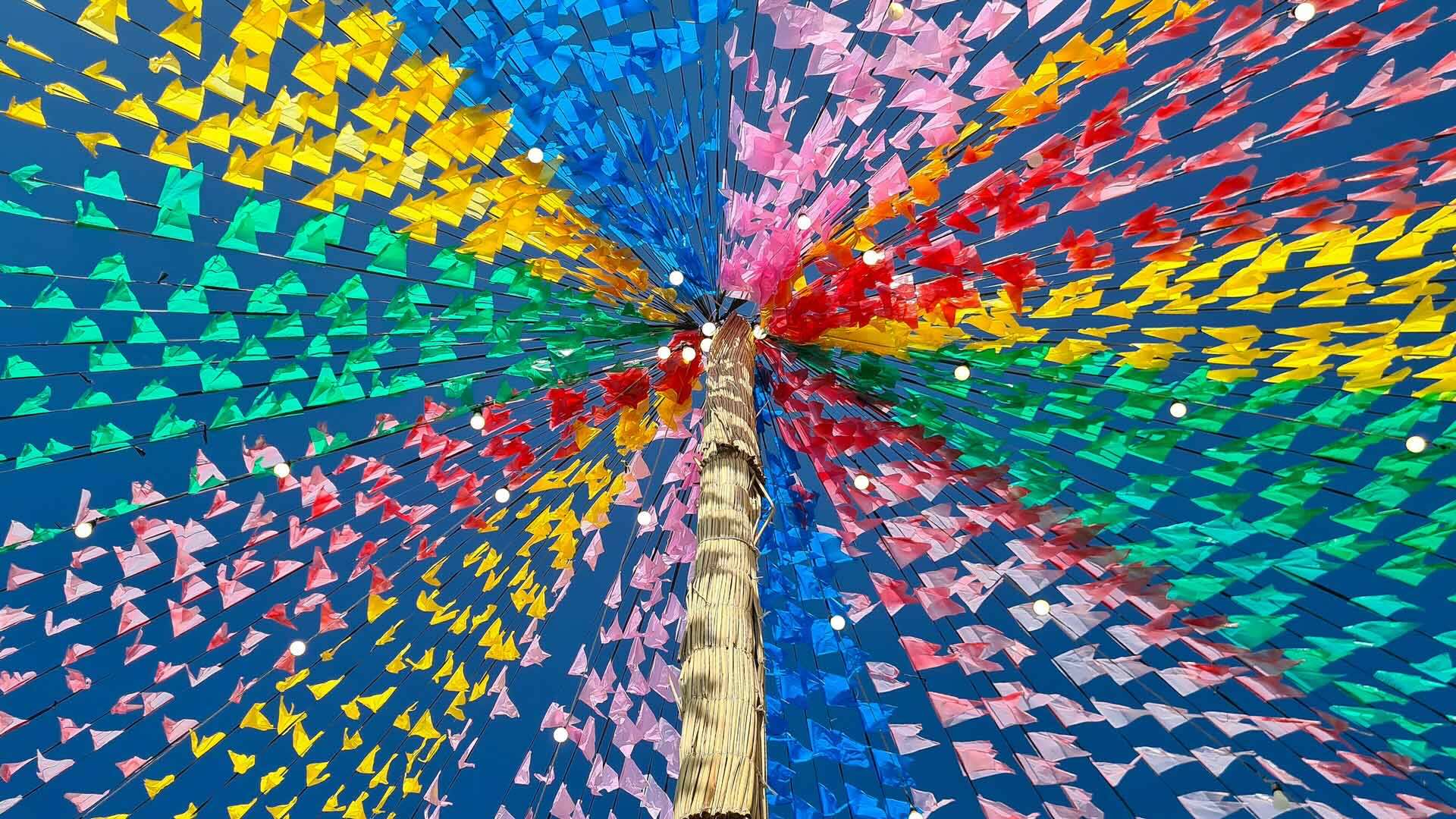
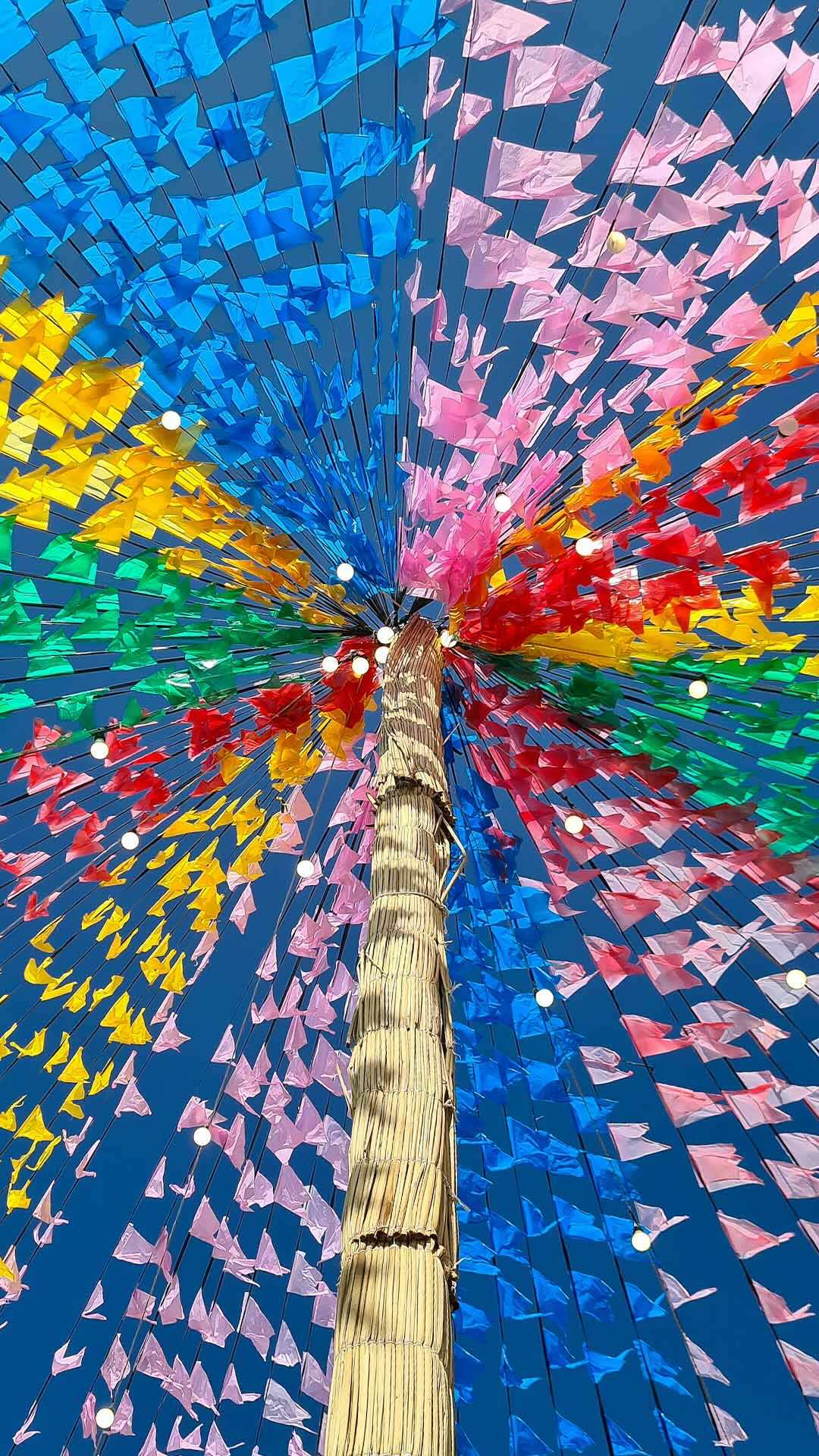
| pt | • | Bandeirinhas de Festa Junina, Aracaju, Sergipe |
| (© Carlos Maranhao/Getty Images) |
The June Festivities begin!
In June, even heaven decides to join the fun. The flags sew the streets, connect poles, draw colored corridors and announce bluntly: it's already the June festival.
The origin comes from afar, from the agricultural celebrations of the European summer solstice, when fire marked the harvest cycle. Over time, these rituals were incorporated into the Catholic calendar and associated with popular saints, most notably St. John. Brought by the Portuguese, the rite gained another body in Brazil when it was mixed with indigenous, African and popular knowledge.
From north to south of the country, the party changes accents. Forró late at night in the Northeast; fairs, square dances and games in the Southeast and Midwest; pine nuts and mulled wine in the South. Between bonfires and music, we enjoyed creamy hominy, pé de moleque, tamale, corn cake and couscous, as well as mulled wine to warm up the night. The tradition started abroad. Brazil added rhythm, color and spice.

| 2026‑05‑31 ‑ | International / Brazil / China / Italy / Japan / Spain / United Kingdom / United States |
|---|
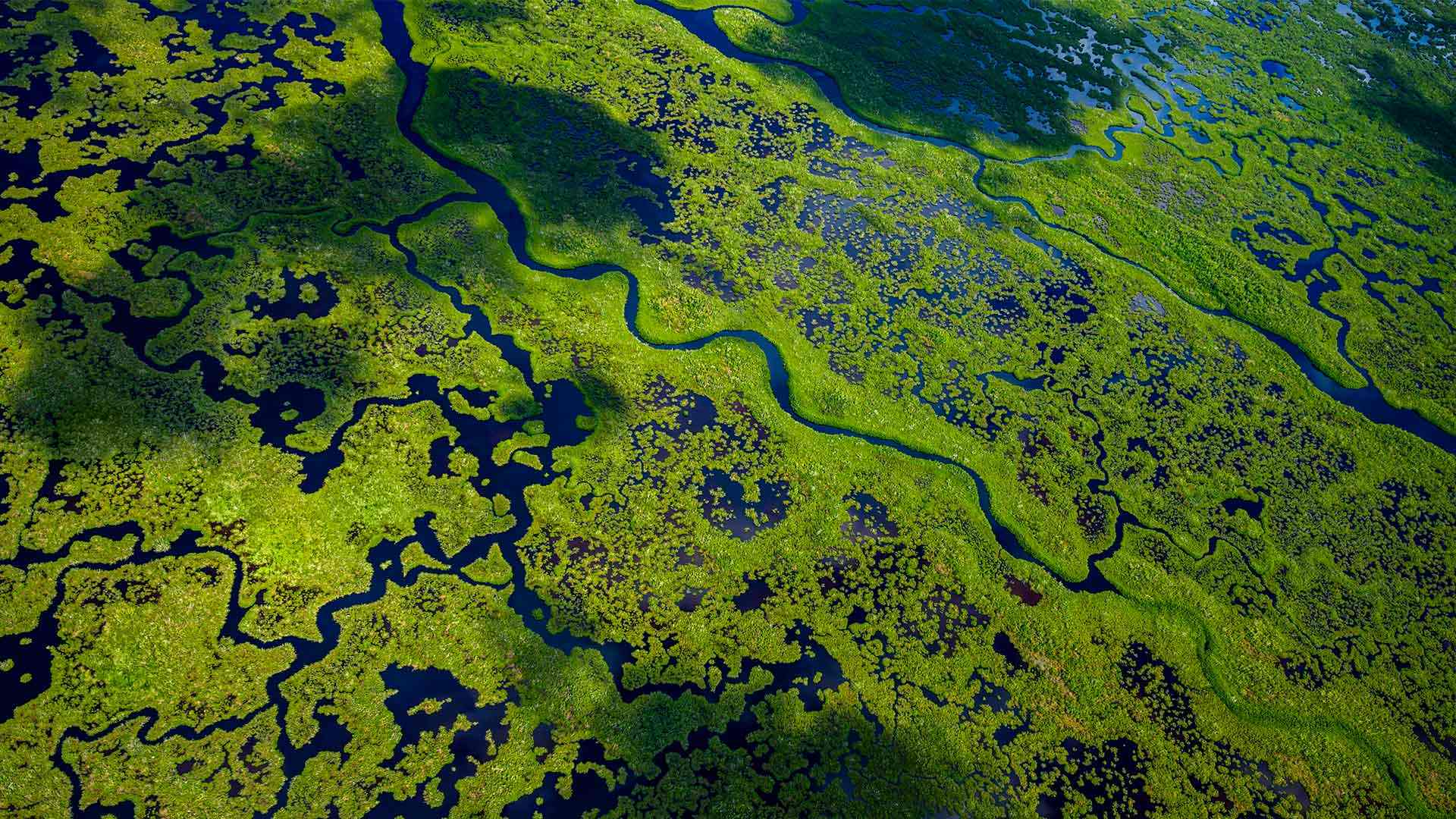
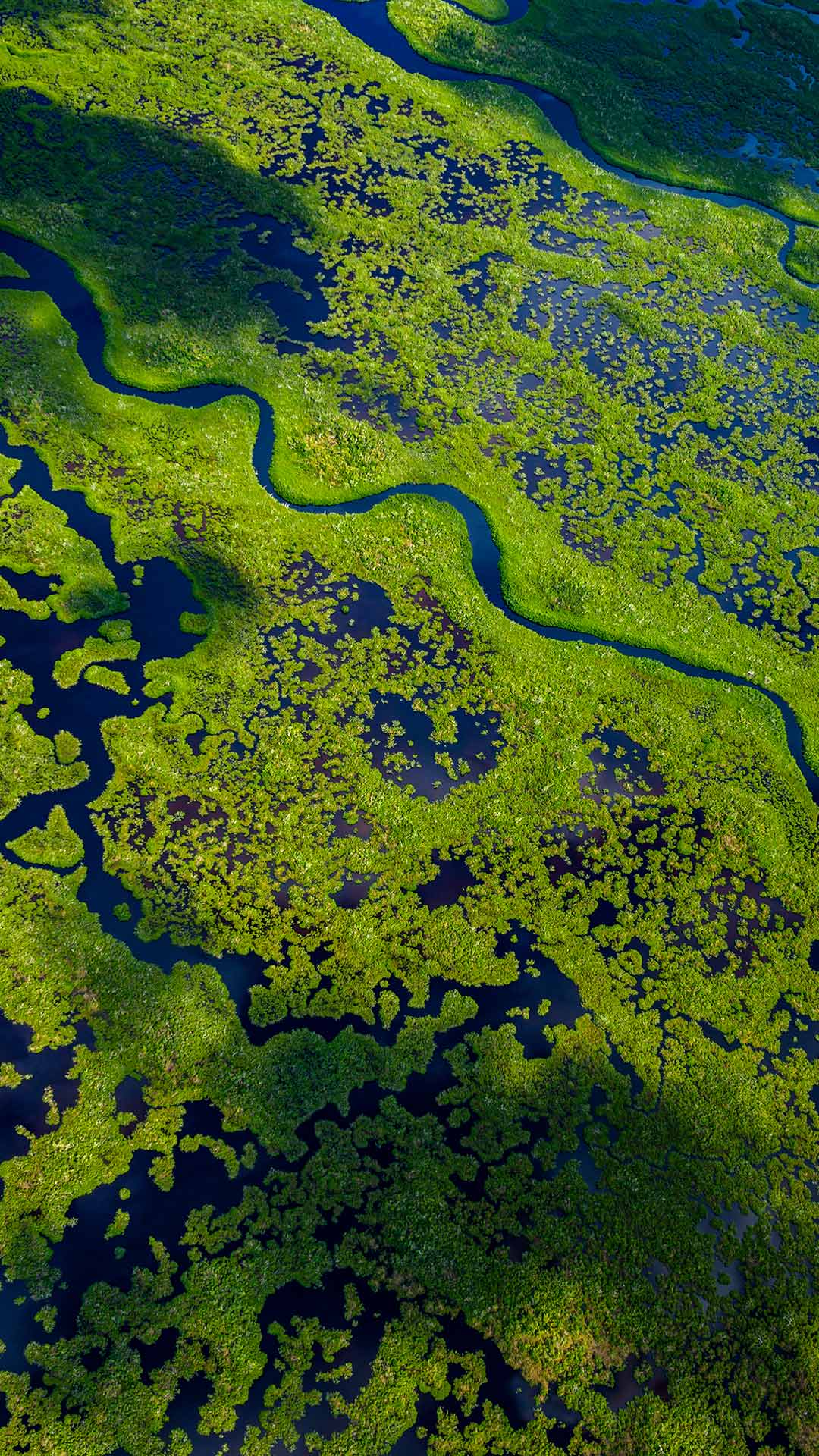
| en | • | Aerial view of Everglades National Park, Florida |
| • | Aerial view of Everglades National Park, Florida, United States | |
| es | • | Vista aérea del Parque Nacional de los Everglades, Florida, EE. UU. |
| it | • | Vista aerea del parco nazionale delle Everglades, Florida, USA |
| ja | • | エバーグレーズ国立公園, 米国 フロリダ州 |
| pt | • | Vista aérea do Parque Nacional Everglades, Flórida, Estados Unidos |
| zh | • | 大沼泽地国家公园航拍景观,佛罗里达州,美国 |
| (© Tetra Images/Getty Images) |
Everglades National Park, Florida, United States
Few places show their power quite like Everglades National Park in Florida, United States. From above, Florida's iconic wetlands unfold as a vast patchwork of shallow water, sawgrass, mangroves and winding channels, shaped by freshwater flowing slowly south from Lake Okeechobee.
Covering more than 6,000 square kilometres, the Everglades is the largest subtropical wilderness in the country and a vital refuge for birds, fish, reptiles and rare species such as the Florida panther, American crocodile and West Indian manatee. Wading birds including roseate spoonbills, herons and wood storks feed across these wetlands, while mangrove forests protect coastlines from storm surges and erosion. Wetlands also work behind the scenes, filtering pollutants, storing carbon, reducing floods and helping supply clean water to nearby communities. Recognised as a World Heritage Site, the park remains one of North America's most important ecosystems. Its waters support alligators and bottlenose dolphins, while seasonal rains and dry periods continually reshape habitats across the sprawling landscape each year.







| 2026‑05‑31 ‑ | Canada ‑ English / Canada ‑ French |
|---|
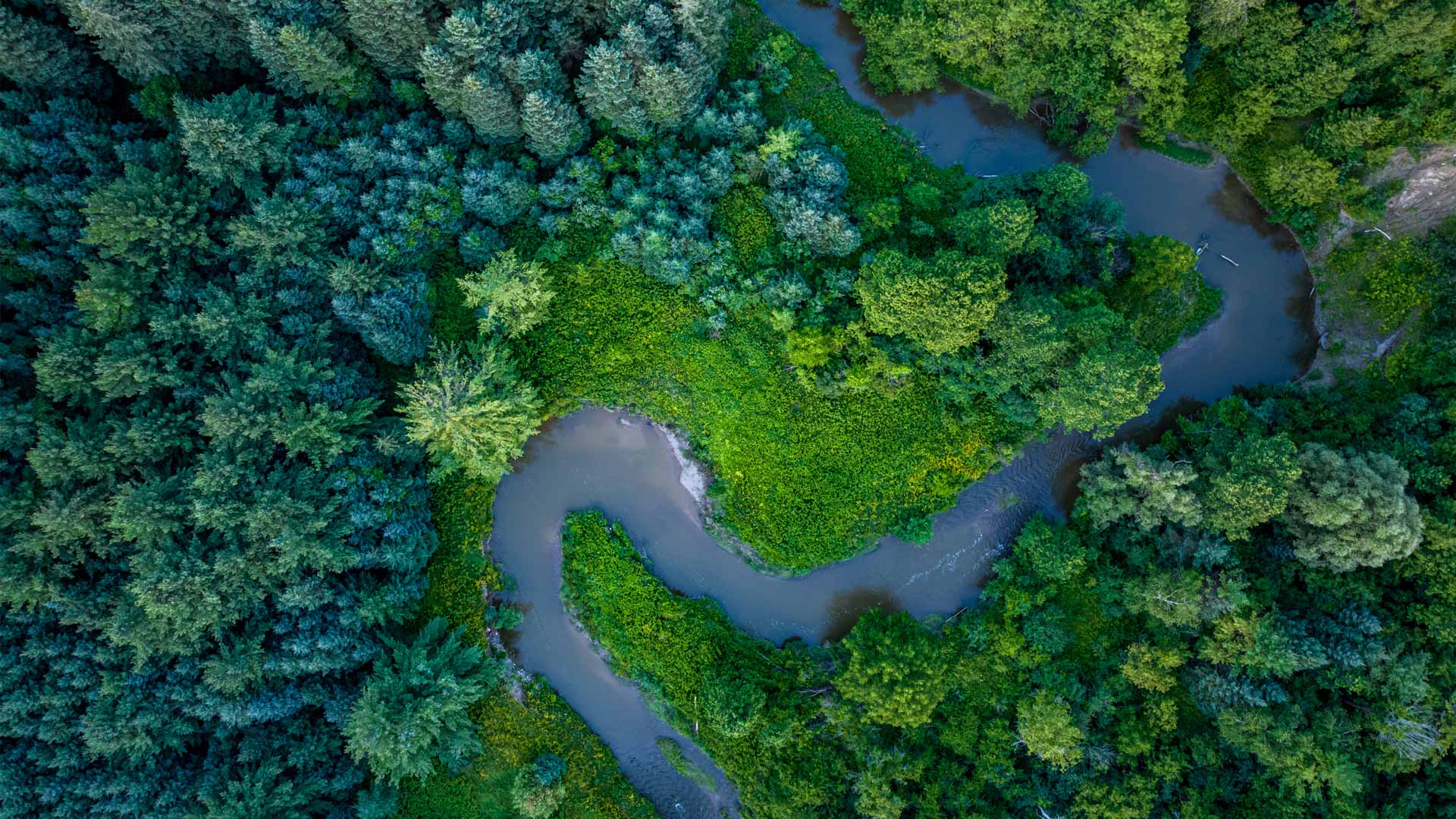
| en | • | Humber River winding through Boyd Conservation Area, Woodbridge, Vaughan, Ontario |
| fr | • | Rivière Humber dans la zone de conservation Boyd, Woodbridge, Vaughan, Ontario |
| (© jimfeng/Getty Images) |
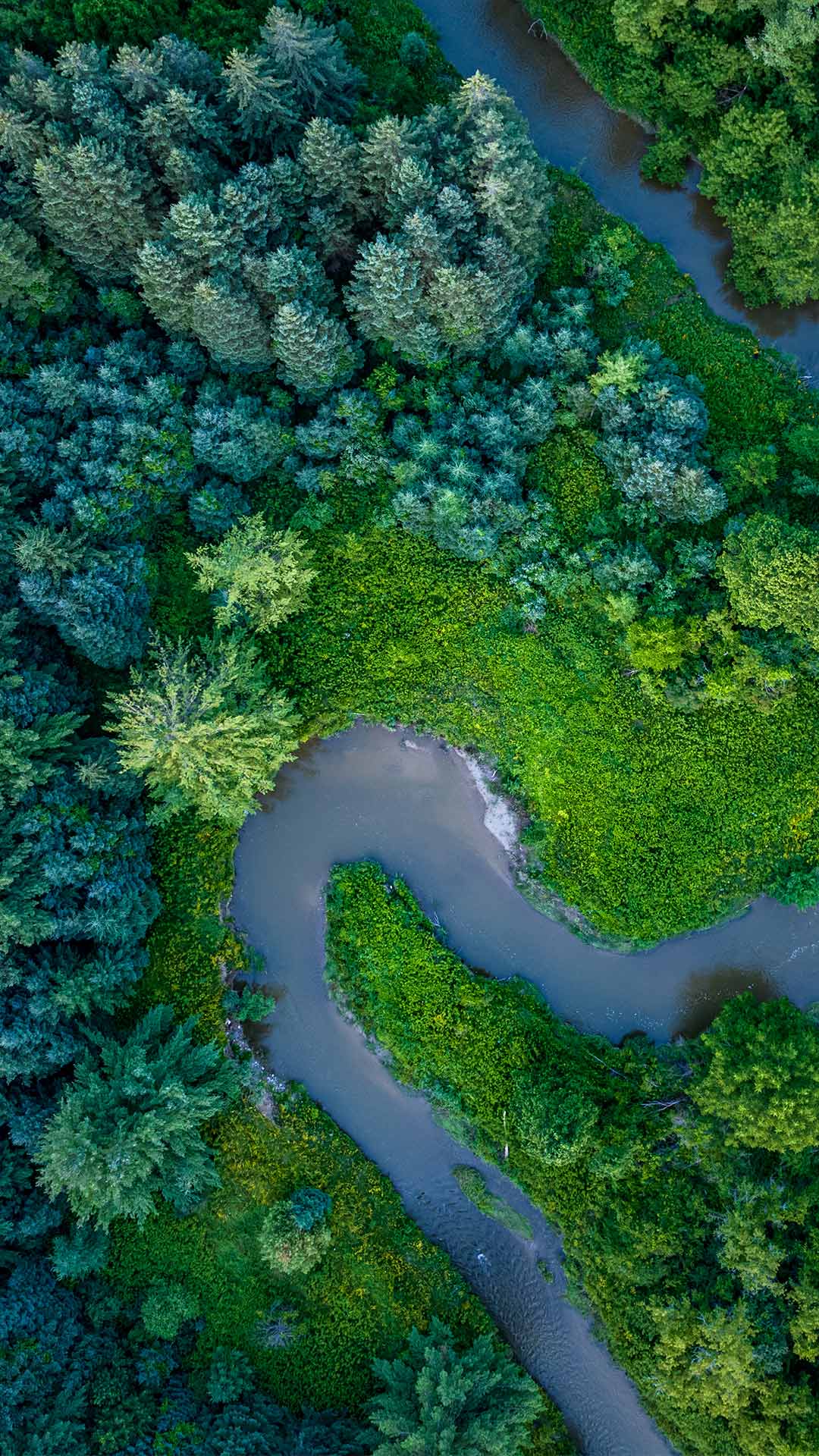
Humber River in Boyd Conservation Area, Vaughan, Ontario
Boyd Conservation Area is more than a stretch of green space in Woodbridge, Vaughan. Spread across the Humber Valley, it protects part of a long standing natural corridor in the Greater Toronto Area, shaped for generations by the Humber River. Opened in 1957 by what is now the Toronto and Region Conservation Authority, the site spans roughly 4 square kilometres. It was created partly to preserve valley lands and reduce flood risks following Hurricane Hazel.
Today, forests, meadows and riverside trails support deer, rabbits, woodpeckers, migratory birds and native fish species. Sugar maple, beech, hemlock and white pine grow beside black locust and chokecherry, while trilliums and bloodroot appear in spring. The conservation area also follows part of the historic Toronto Carrying Place Trail once used by Indigenous communities for travel and trade.
The Humber River Trail winds through the conservation area, following natural river meanders formed over centuries by erosion and sediment deposition. Visitors come here for hiking, cycling, jogging and birdwatching throughout the year.


| 2026‑05‑31 ‑ | Germany |
|---|
| de | • | Rapsfelder vor der Festung Königstein, Sächsische Schweiz, Sachsen |
| (© Frank Bienewald/Getty Images) |
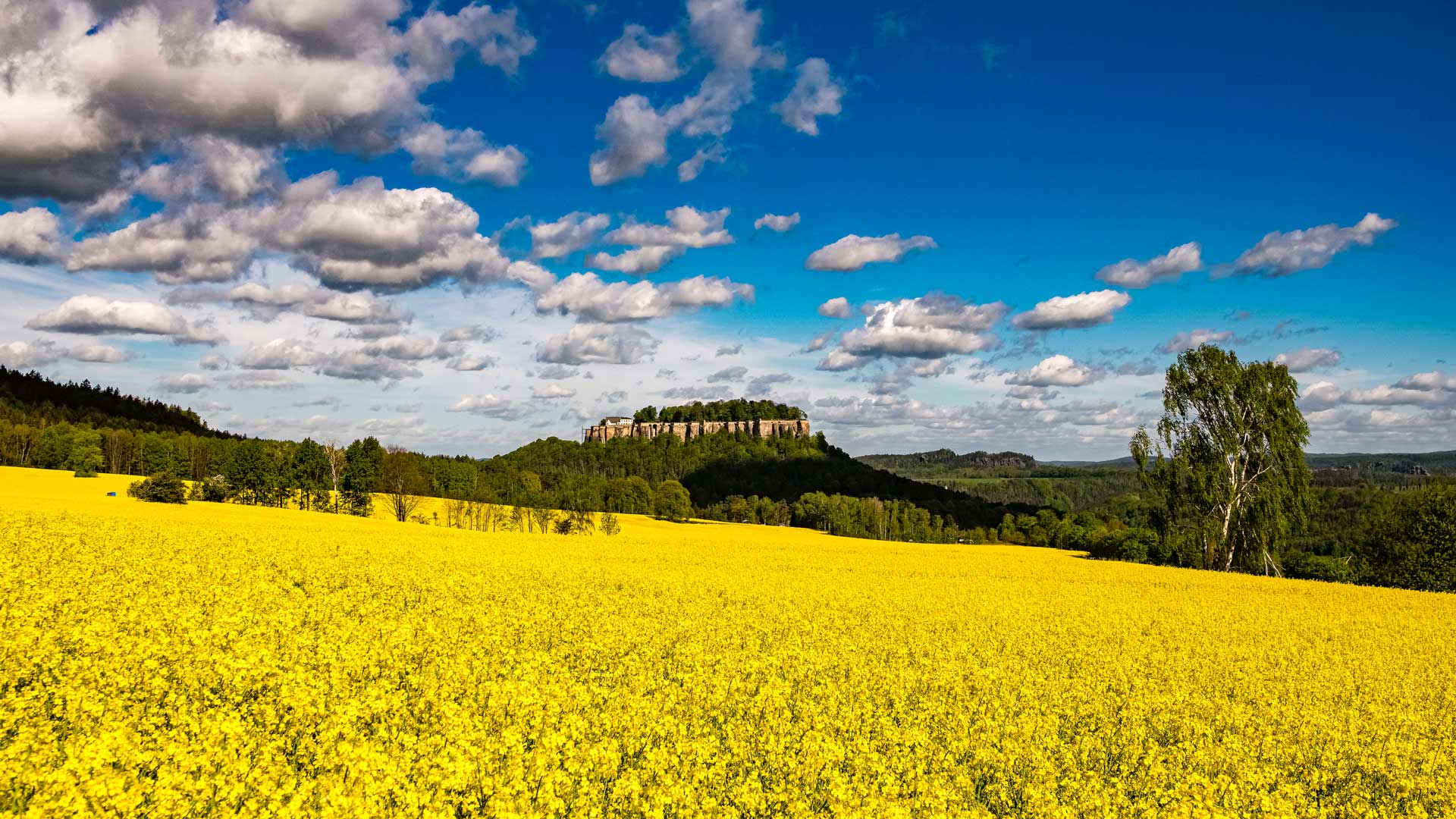
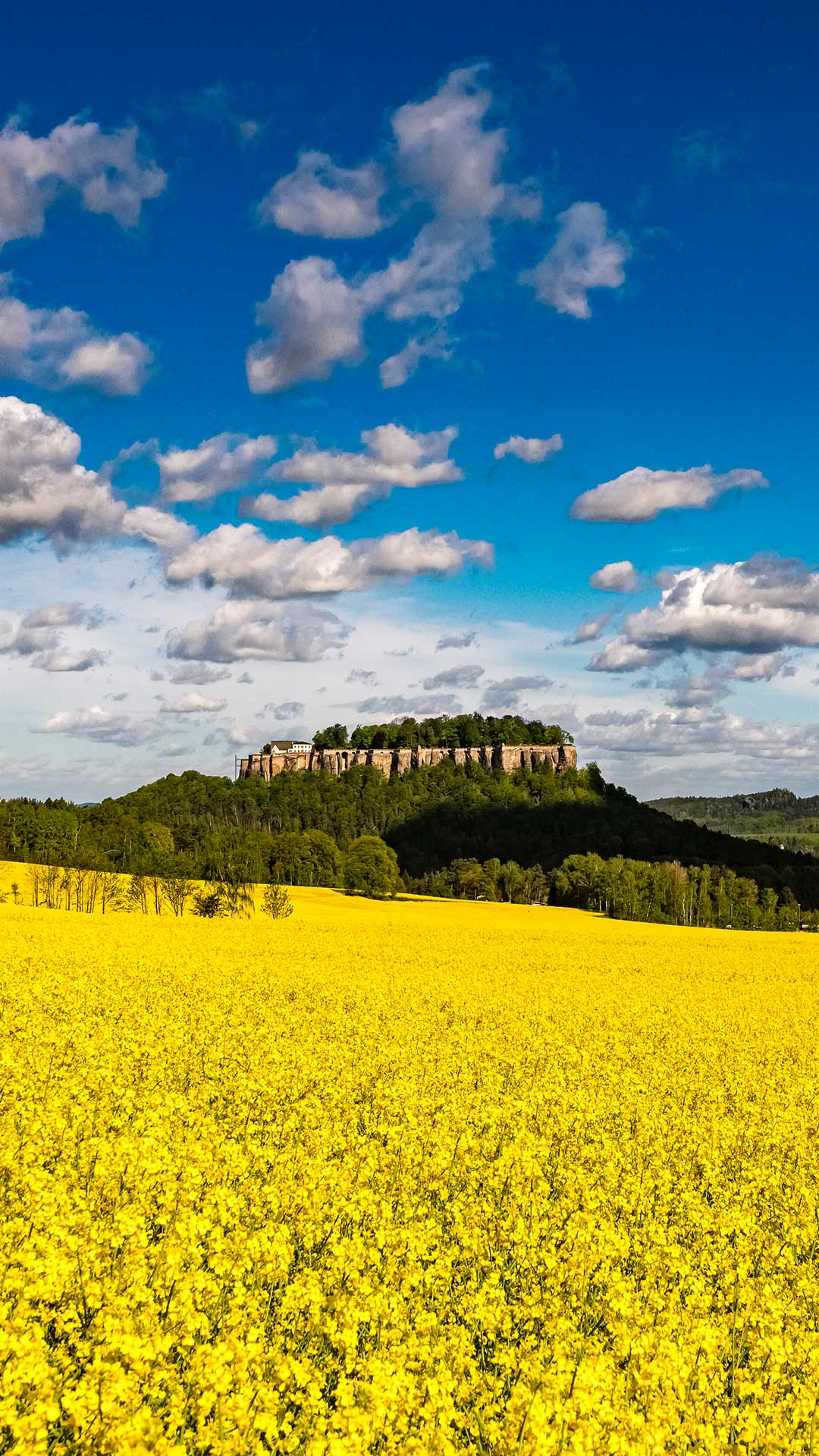
Rapeseed fields in front of Königstein Fortress, Saxon Switzerland, Saxony
In late spring, the landscape in many regions of Germany turns bright yellow. Blooming rapeseed fields then dominate the picture and offer an impressive sight that underlines the importance of this crop. Rapeseed not only provides valuable oil, but also serves as an important source of food for numerous insects, including bees and other pollinators. For a few weeks, the fields are in full bloom and make entire areas appear like a radiant sea of colour.
In front of this striking backdrop rises the Königstein Fortress, one of the largest mountain fortresses in Europe. Situated high above the Elbe Valley, it looks back on a long history dating back to the Middle Ages and was considered almost impregnable for centuries. Today, the sprawling complex with its walls, barracks, and viewpoints is open to visitors and houses several exhibitions on the history of the fortress. In this way, the historic building combines with the blooming landscape to create an impressive overall picture.

| 2026‑05‑31 ‑ | France |
|---|
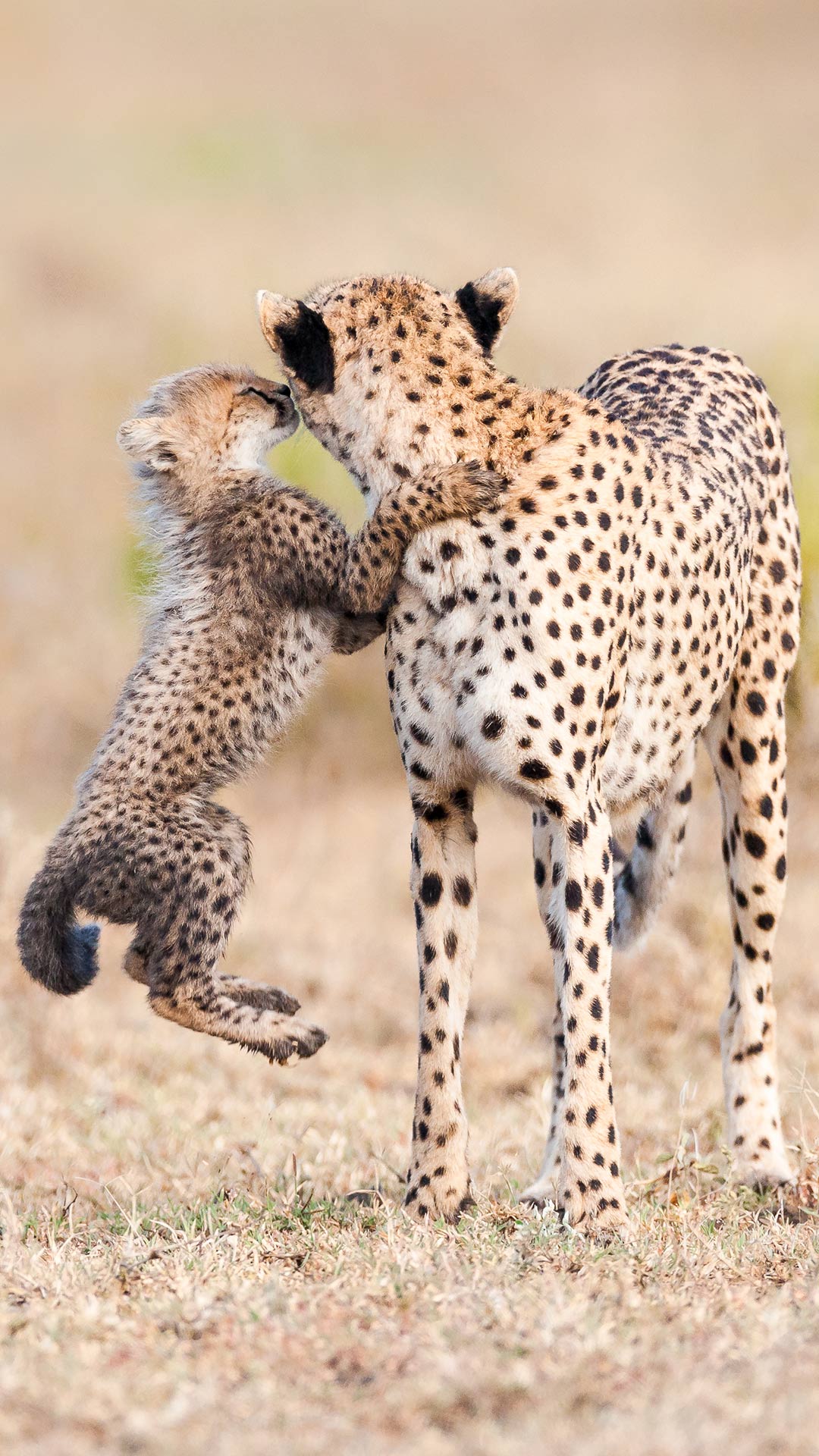
| fr | • | Une guéparde et son guépardeau |
| (© hilton123/Getty Images) |
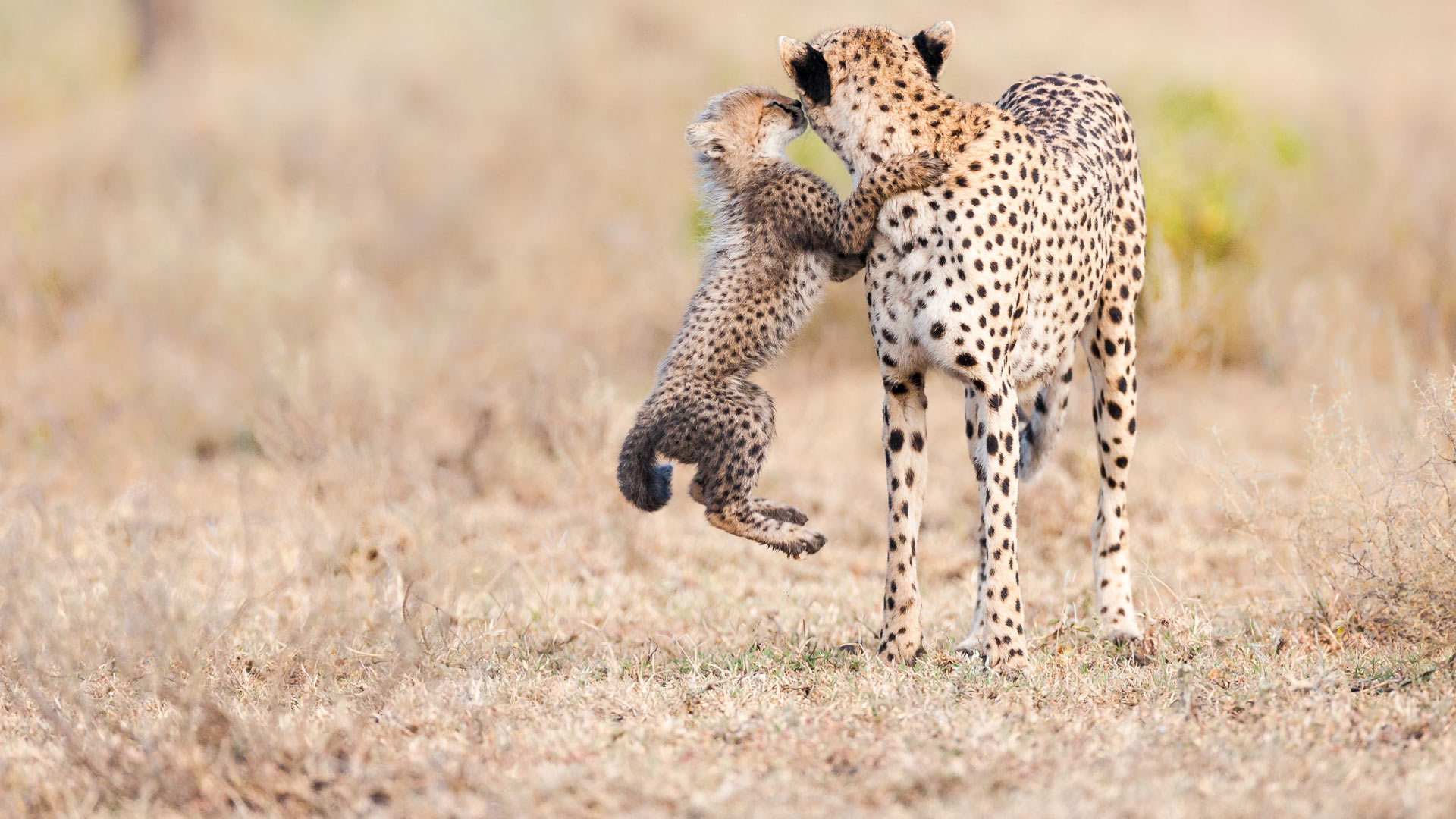
Mother's Day
At dawn, in the African savannah, a mother cheetah glides between the golden grasses, attentive to the slightest breath. Her little one advances in her wake, protected by a silent presence that observes, anticipates and reassures. Each stop becomes a lesson: recognizing a danger, choosing the right time, surviving without ever being alone.
Thousands of miles away, in France, Mother's Day celebrates the same invisible thread that unites a mother and her child. Here, love is woven into everyday life: a shared breakfast, a comforting word, an outstretched hand when the world seems too big. Just as the cheetah teaches wildlife, a human mother learns to grow, fall, and then get back up. The landscapes change, the species differ, but the momentum is the same. From the burning savannah to our homes, maternal love remains a universal, patient, protective and incomparable force.

| 2026‑05‑30 ‑ | International / Brazil / Canada ‑ English / Canada ‑ French / China / France / Germany / India / Italy / Japan / United Kingdom / United States |
|---|
| de | • | Steppenzebra-Fohlen im Etosha-Nationalpark, Namibia |
| en | • | Plains zebra foal in Etosha National Park, Namibia |
| fr | • | Zébreau dans le parc national d’Etosha, Namibie |
| it | • | Puledro di zebra della pianura, parco nazionale di Etosha, Namibia |
| ja | • | サバンナシマウマの子馬, ナミビア |
| pt | • | Filhote de zebra-da-planície no Parque Nacional Etosha, Namíbia |
| zh | • | 平原斑马幼崽,埃托沙国家公园,纳米比亚 |
| (© Sharon Heald/Nature Picture Library) |
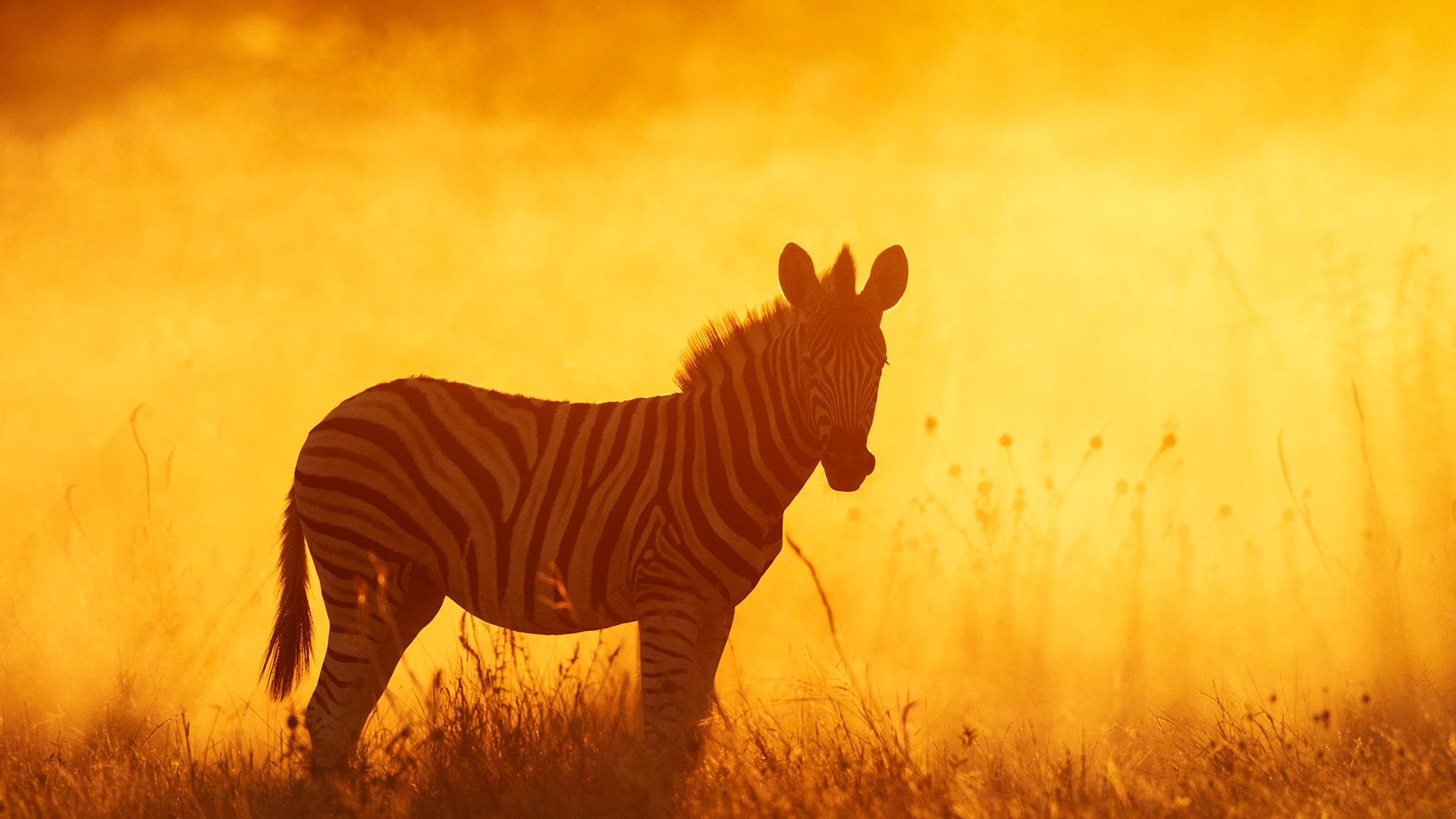
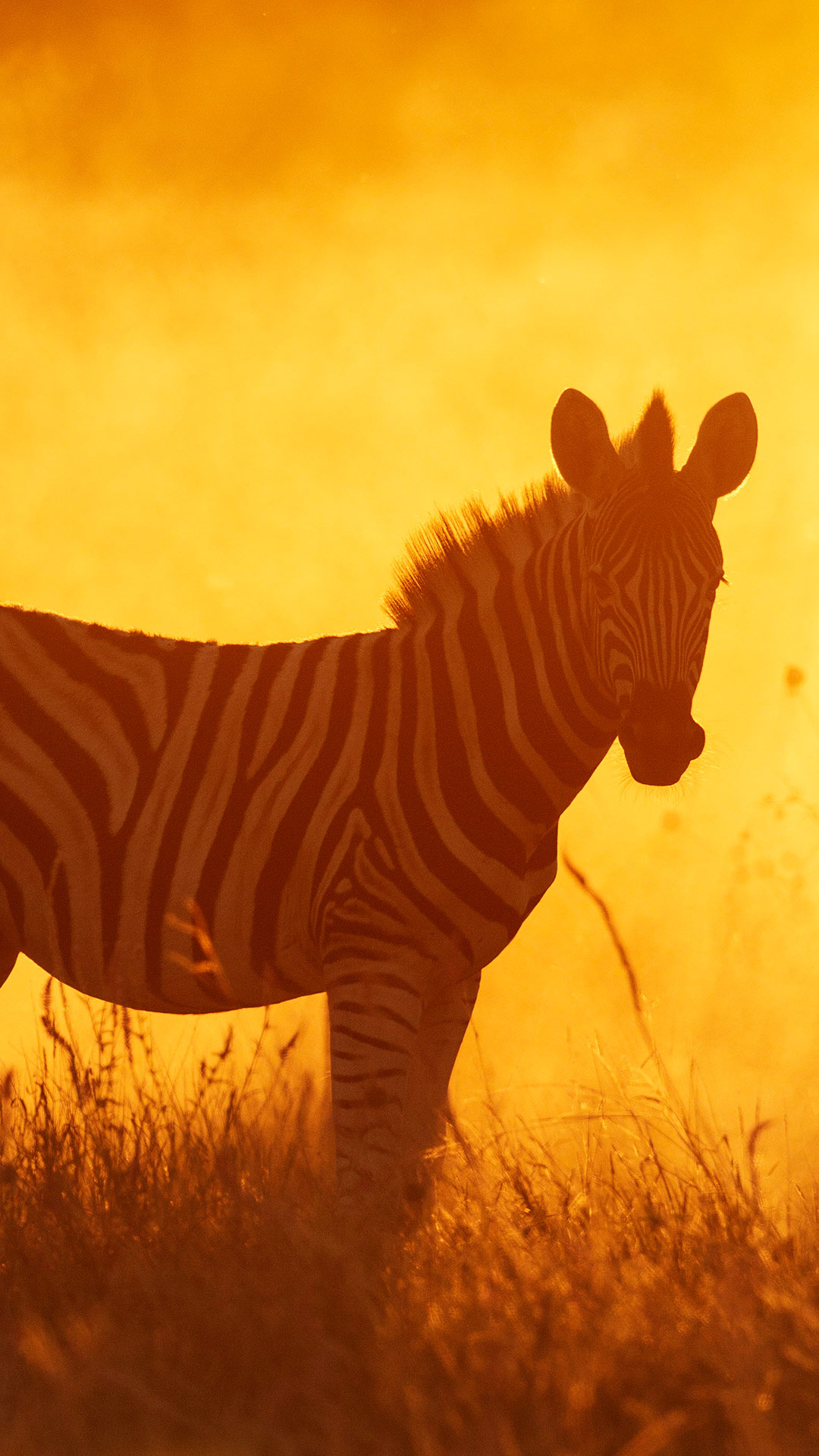
Plains zebra foal in Etosha National Park, Namibia
Etosha National Park, Namibia, is not a place for soft starts, and the plains zebra foal in this image seems to get the memo. In a land this vast—nearly 22,300 square kilometres of salt pans and grassland—timing is everything, and hesitation is expensive. Lions, spotted hyenas, wild dogs, cheetahs and leopards constantly pressure the herd—especially the youngest—so zebras are born ready. Minutes after arrival, they're upright. Hours later, they're moving.
Those bold stripes aren't decoration; they disrupt vision and make it harder to isolate a single body. Each pattern is unique, yet together they form a moving puzzle predators struggle to solve. The strategy pays off. With hundreds of thousands spread across Africa, plains zebras have strong populations in protected areas like Etosha. The advantage lies in consistency: learn the pattern, read the space, stay close—and suddenly the odds look a lot better.