Bing daily wallpapers
page 6 / 20
| 2026‑06‑10 ‑ | Brazil |
|---|
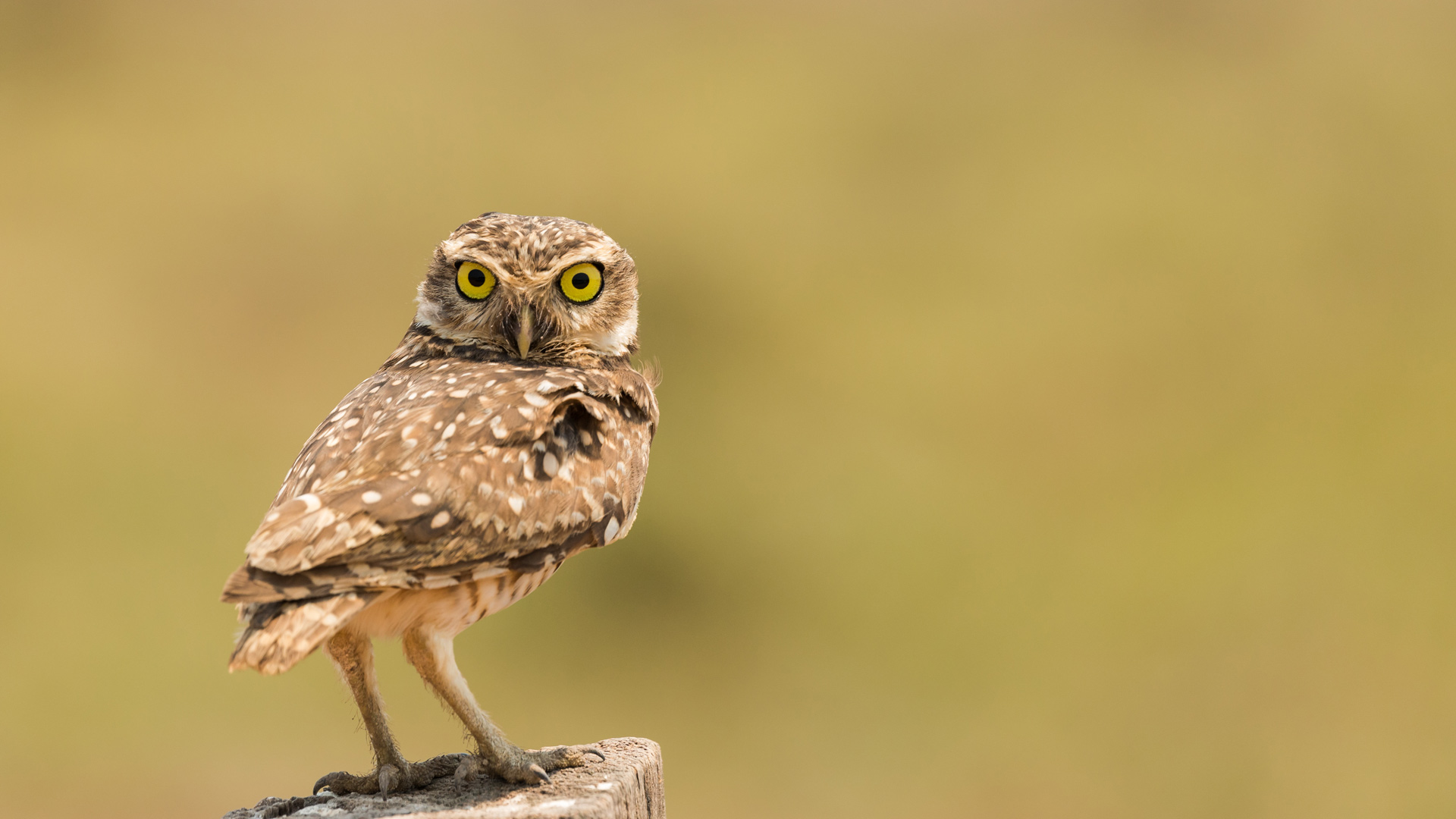
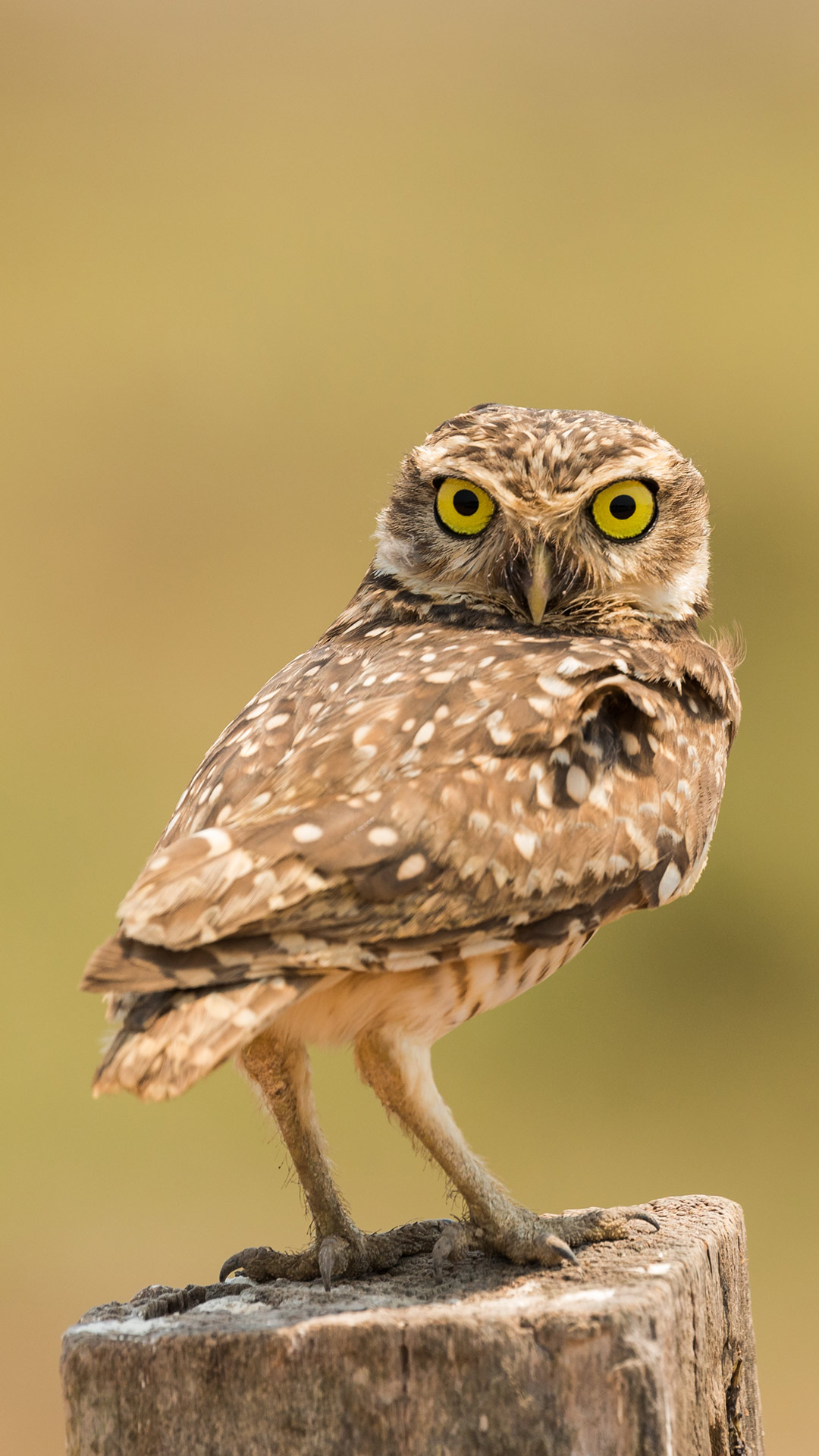
| pt | • | Coruja-buraqueira em sentinela |
| (© Wendy/Jeff Sparks/Torquemada/Getty Images) |
Burrowing owl at the sentry
Nocturnal? Only when it is convenient. The burrowing owl in the image decided to ignore the classic script. While other owls go out at night, she takes over the day shift. While others live in trees, it prefers burrows in the ground, excavated or repurposed from armadillos, which function as shelter and observation post.
Small, about 20 to 25 centimeters, it occupies open fields, sandbanks, pastures and even urban areas of Brazil. Its menu includes insects, small rodents, reptiles and even scorpions, helping to maintain local balance. It is territorial and does not act alone. Couples maintain a coordinated vigilance: while one keeps nest, eggs and chicks safe, the other hunts. When threatened, it lets out a sound similar to a snake rattle — an efficient bluff to ward off unsuspecting onlookers.
The buraqueira does not need shadows, nor height, to dominate the space. It makes the ground a viewpoint and the gaze, its first line of defense.

| 2026‑06‑10 ‑ | Italy |
|---|---|
| 2026‑06‑01 ‑ | International / Canada ‑ English / Canada ‑ French / China / France / Germany / India / Spain / United Kingdom |
| de | • | Skyline von Palermo in der Abenddämmerung, Sizilien, Italien |
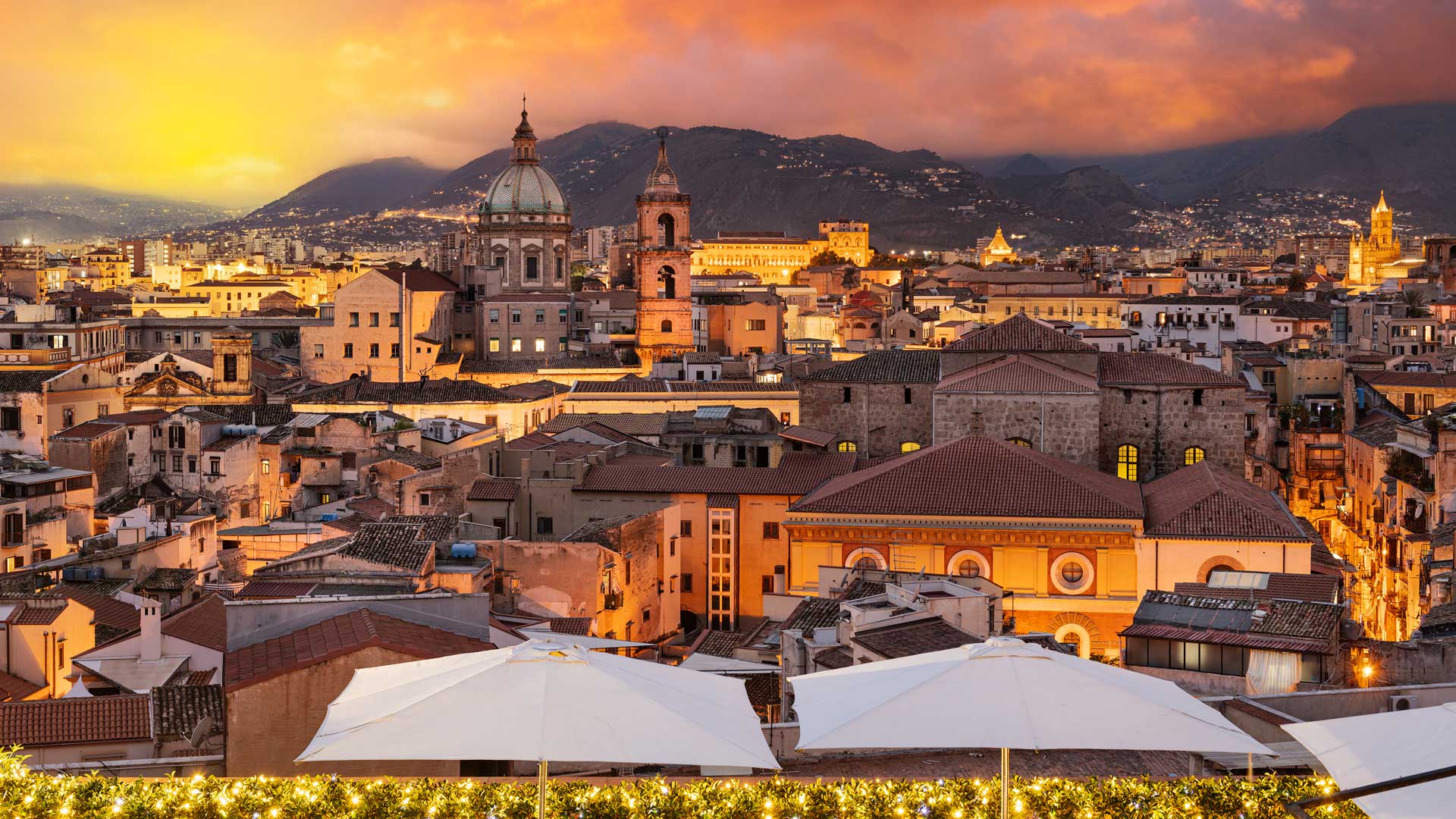
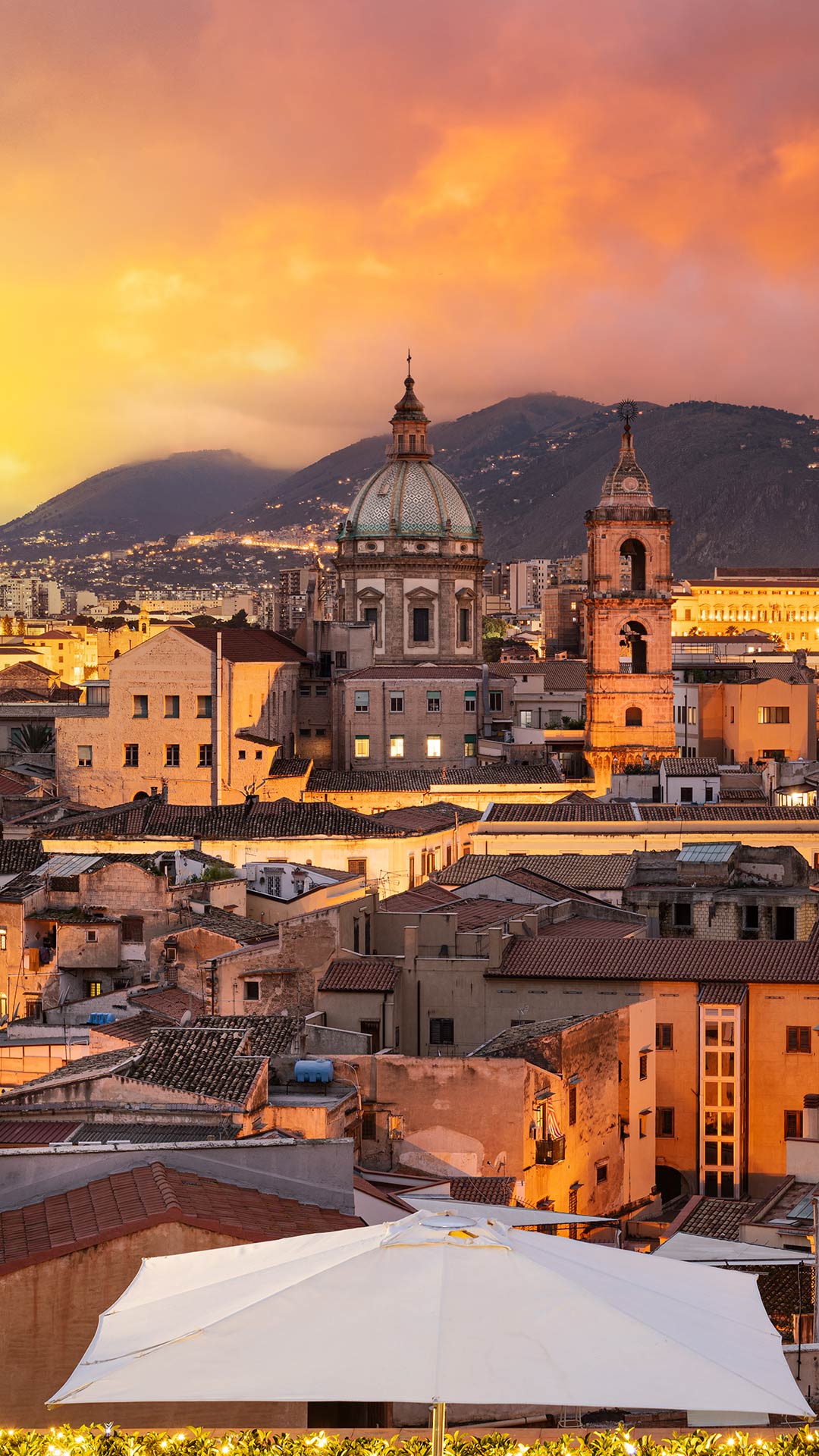
| en | • | Palermo skyline at dusk, Sicily, Italy |
| • | Palermo skyline, Sicily, Italy | |
| es | • | Horizonte de Palermo al atardecer, Sicilia, Italia |
| fr | • | Palerme au crépuscule, Sicile, Italie |
| it | • | Palermo, Sicilia |
| zh | • | 巴勒莫暮色下的天际线,西西里岛,意大利 |
| (© Sean Pavone/Getty Images) |
Palermo, Sicily, Italy
Palermo, the capital of the island of Sicily in southern Italy, is a city where layers of history, art and culture meet in a vivid and sometimes chaotic harmony. Founded by the Phoenicians and later shaped by Romans, Arabs, Normans and Spaniards, it carries traces of many civilisations that passed through the Mediterranean. This rich past is visible in its architecture, from the Arab-Norman palaces and churches recognised by UNESCO to the Baroque facades that define its historic streets.
Art and tradition blend naturally into everyday life, especially in its bustling markets like Ballarò and Vucciria, where colours, voices and scents create an unforgettable atmosphere. Palermo is also a city of flavours, known for its street food culture. From arancine and panelle to sweet cannoli, its cuisine reflects centuries of cultural exchange. Between the sea and the mountains, Palermo offers a unique rhythm, where history is not confined to museums but lives in the streets, in the food and in the people themselves.











| 2026‑06‑09 ‑ | International / Brazil / Canada ‑ English / Canada ‑ French / China / France / Germany / India / Italy / Japan / Spain / United Kingdom / United States |
|---|
| de | • | Vernazza, Cinque Terre, Ligurien, Italien |
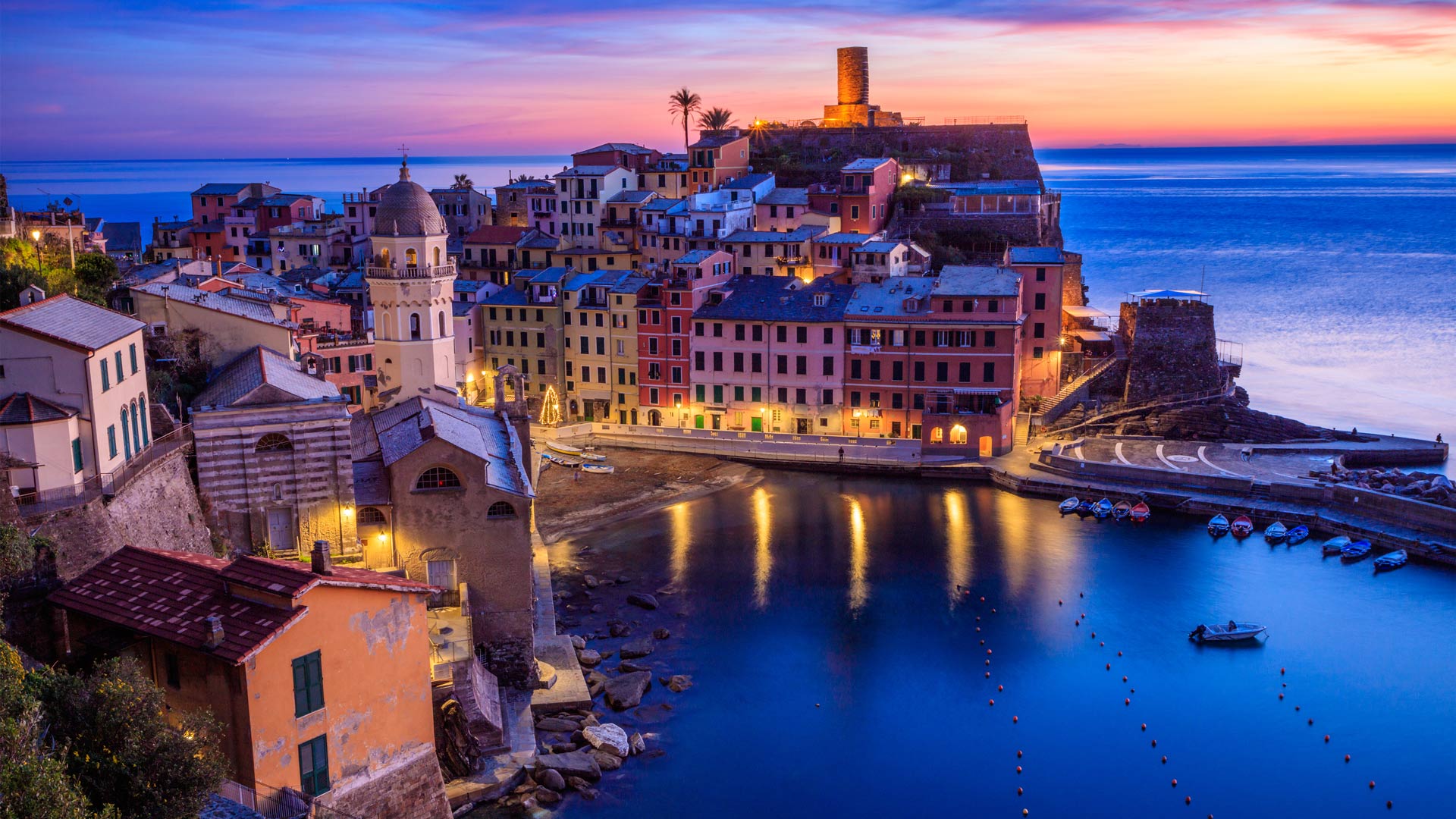
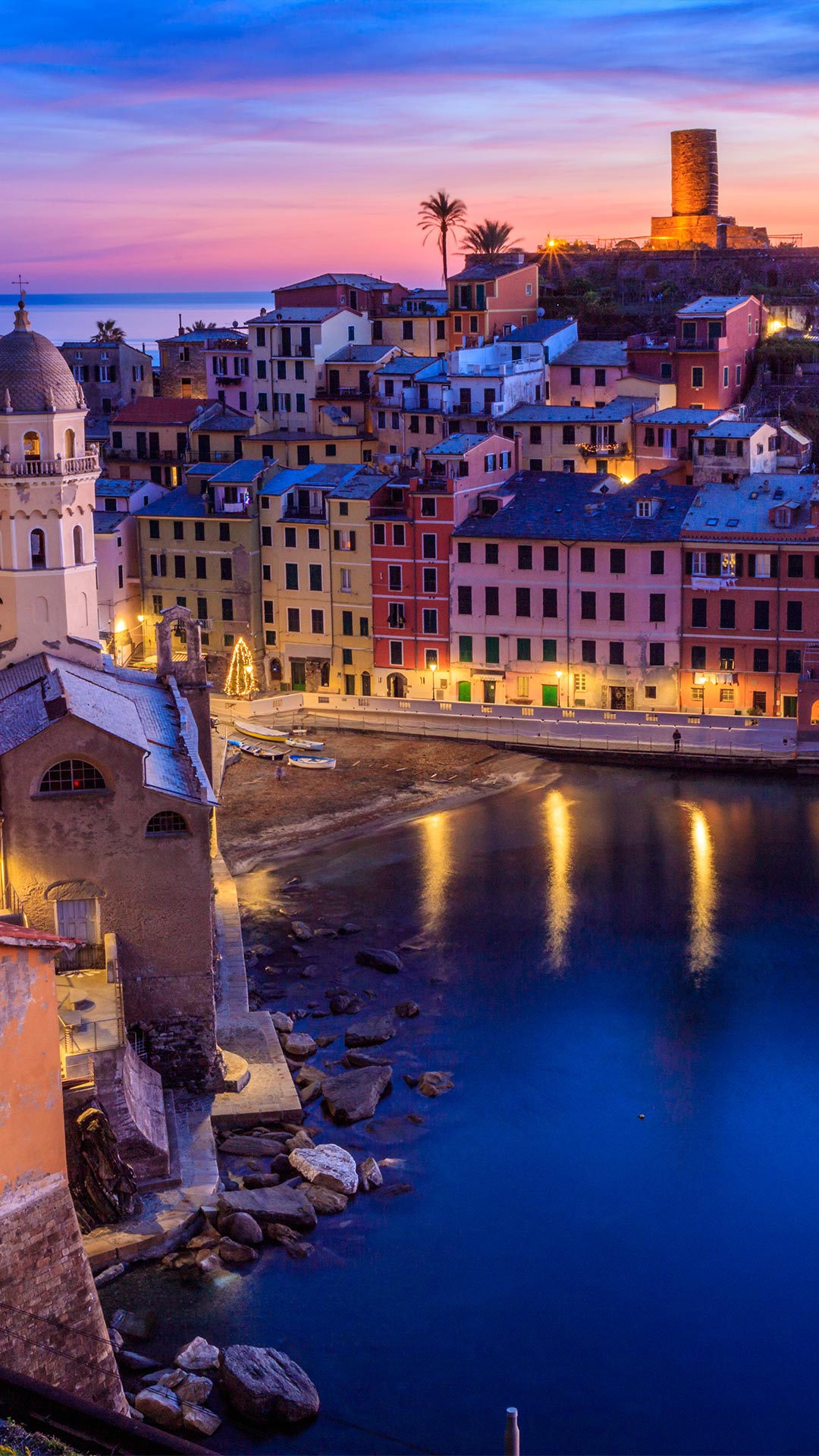
| en | • | Vernazza, Cinque Terre, Liguria, Italy |
| es | • | Vernazza, Cinque Terre, Liguria, Italia |
| fr | • | Vernazza, Cinque Terre, Ligurie, Italie |
| it | • | Vernazza, Cinque Terre, Liguria |
| ja | • | ヴェルナッツァ, イタリア |
| pt | • | Vernazza, Cinque Terre, Ligúria, Itália |
| zh | • | 韦尔纳扎, 五渔村, 利古里亚, 意大利 |
| (© Kelly Cheng/Getty Images) |
Vernazza, Cinque Terre, Liguria, Italy
Vernazza is a small seaside town in Cinque Terre, in Italy's Liguria region. Built around the area's only natural harbour, it has long been tied to the sea. First recorded in 1080 as a fortified settlement and maritime base, it later became part of the Republic of Genoa's coastal defences. To this day, the village preserves its past in the ruins of Doria Castle and the watchtowers overlooking the bay. At the water's edge stands the Church of Santa Margherita d'Antiochia, first mentioned in 1318 and expanded in later centuries, with a bell tower overlooking the port. Above the houses and narrow lanes, steep terraces support vineyards and olive groves, shaped by generations of stonework in a landscape protected within Cinque Terre National Park, part of a UNESCO World Heritage Site. Picture an aperitivo here: a glass of local white wine, the harbour in view and Ligurian favourites like focaccia and basil pesto—basically a postcard you can taste.


| 2026‑06‑08 ‑ | International / Brazil / Canada ‑ English / Canada ‑ French / China / Germany / India / Italy / Japan / Spain / United Kingdom / United States | 2026‑06‑06 ‑ | France |
|---|
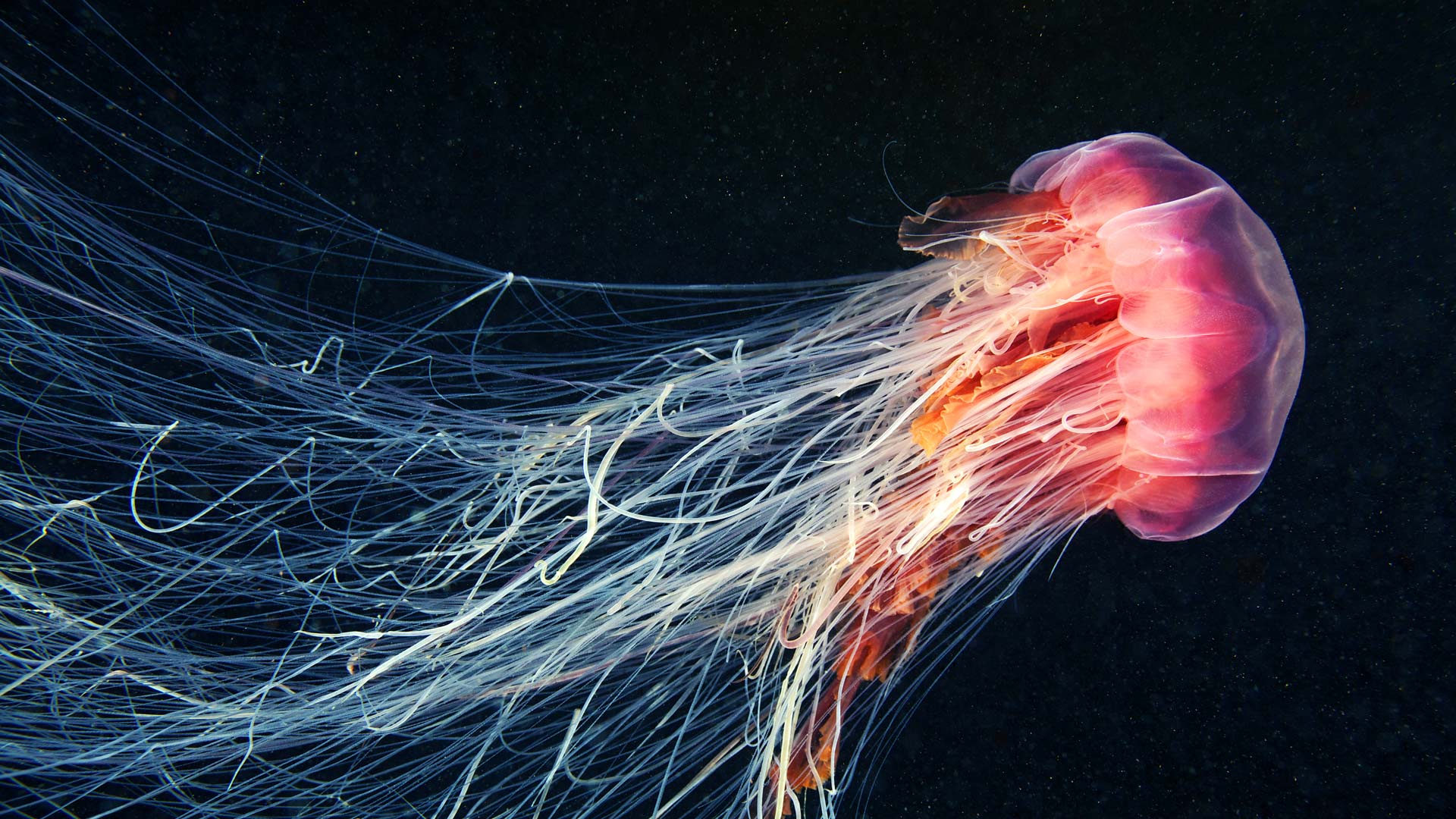
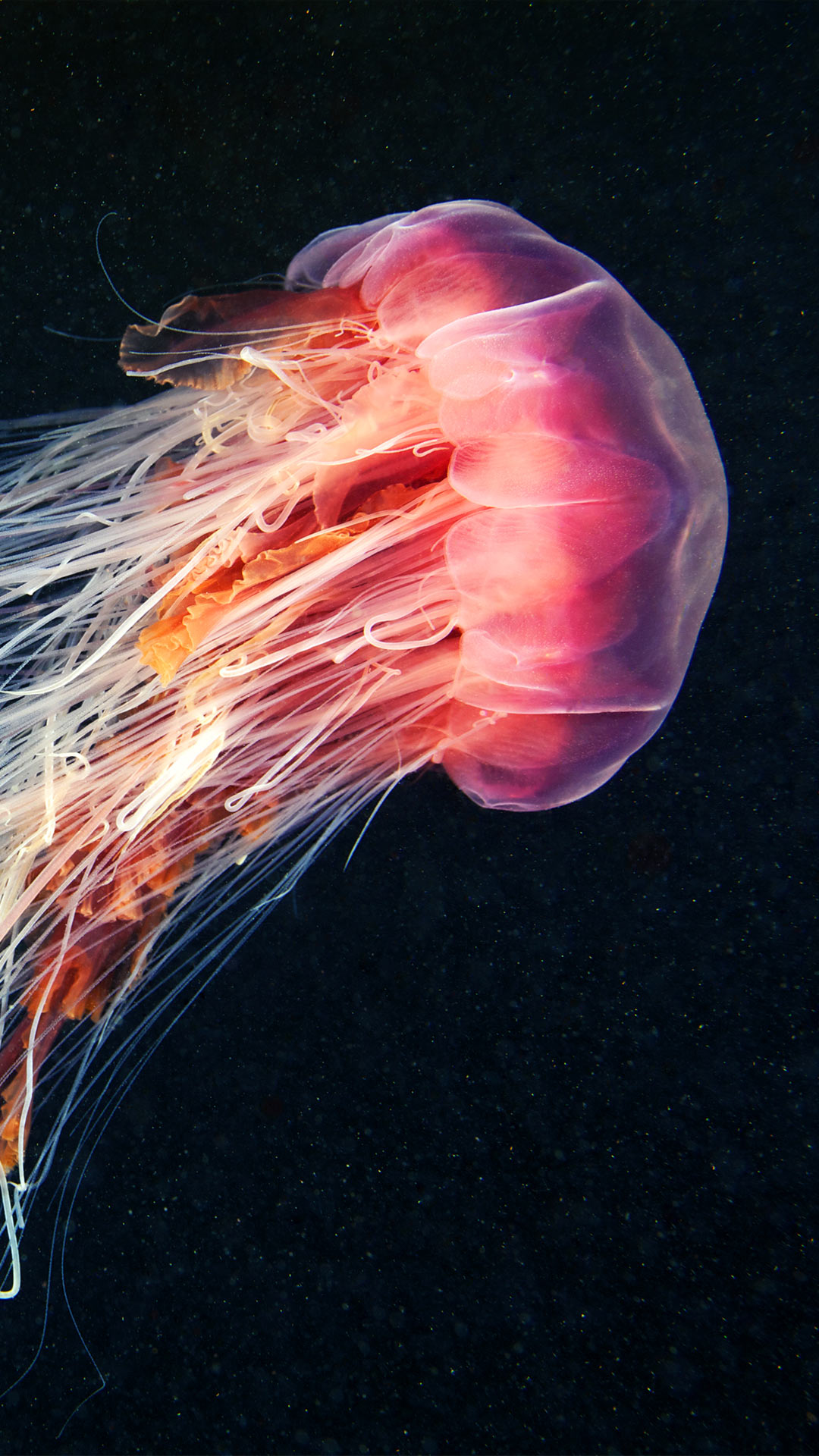
| de | • | Gelbe Haarqualle im Ozean |
| en | • | Lion's mane jellyfish swimming in the ocean |
| es | • | Medusa melena de león nadando en el océano |
| fr | • | Méduse crinière de lion |
| it | • | Medusa dalla criniera di leone che nuota nell'oceano |
| ja | • | 海中を泳ぐキタユウレイクラゲ |
| pt | • | Água-viva-juba-de-leão nadando no oceano |
| zh | • | 在海洋中游动的狮鬃水母 |
| (© Alexander Semenov Images/Shutterstock) |
Lion's mane jellyfish swimming in the ocean
Today, let's follow the lead of a creature that goes wherever the water takes it. Want to spot a lion's mane jellyfish? Look in cold northern seas. Its bell is divided into eight lobes, and beneath it trail long tentacles and oral arms that can capture plankton, fish and even other jellyfish. Well, a single animal may carry thousands of stinging cells on each tentacle. For humans, the sting can be painful, and even detached tentacles washed ashore may still react on contact. The rule is simple: admire it, then leave it alone.
Some Arctic specimens have bells more than 1.8 metres across, though most seen near coastlines are much smaller and often appear after storms or shifting currents. Though made mostly of water, the species can reach about 36 metres in length, longer than a blue whale. Tiny fish sometimes shelter among the tentacles, turning this drifting predator into an unexpected underwater refuge in northern oceans during summer months.
| 2026‑06‑08 ‑ | France |
|---|
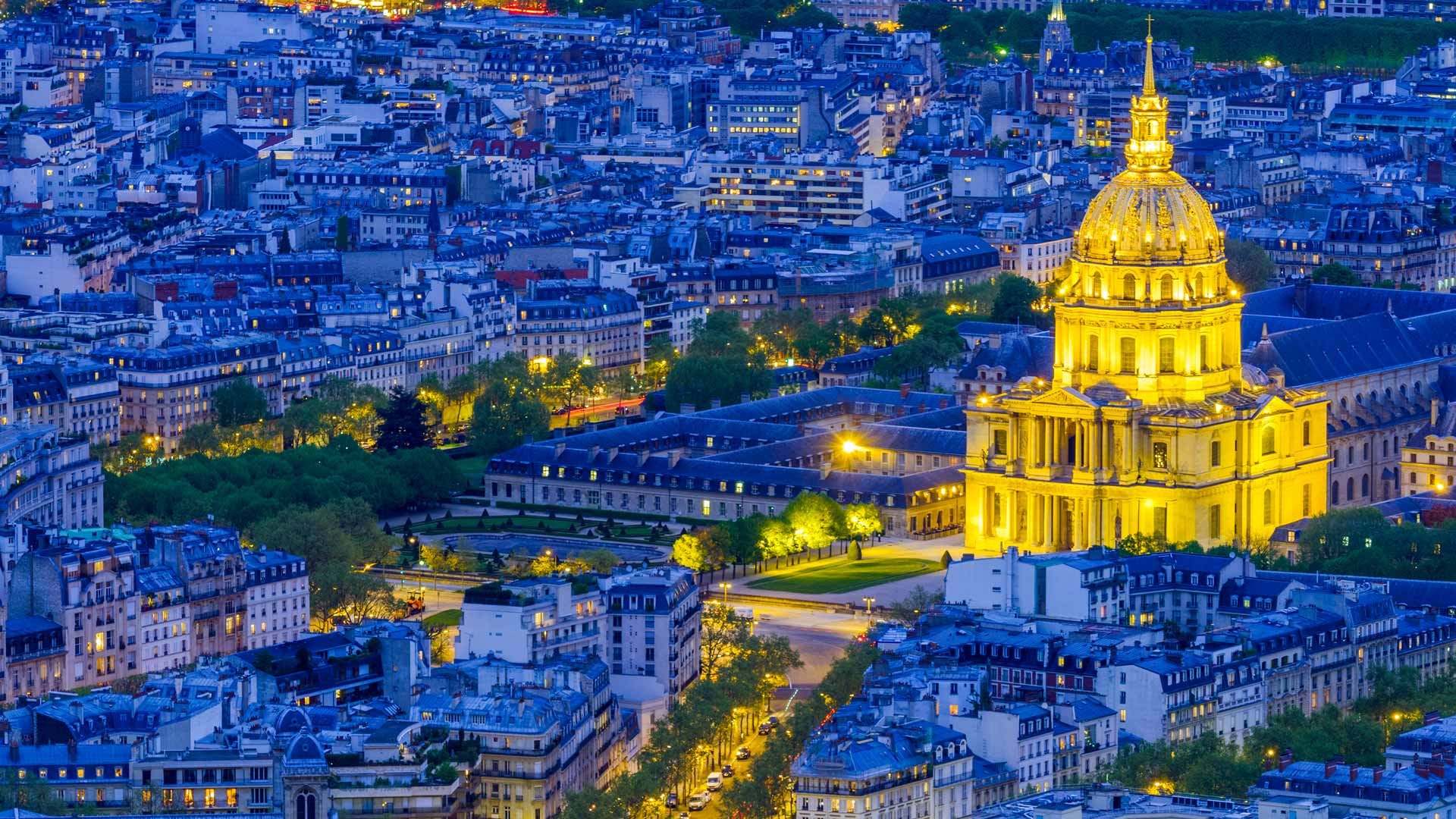
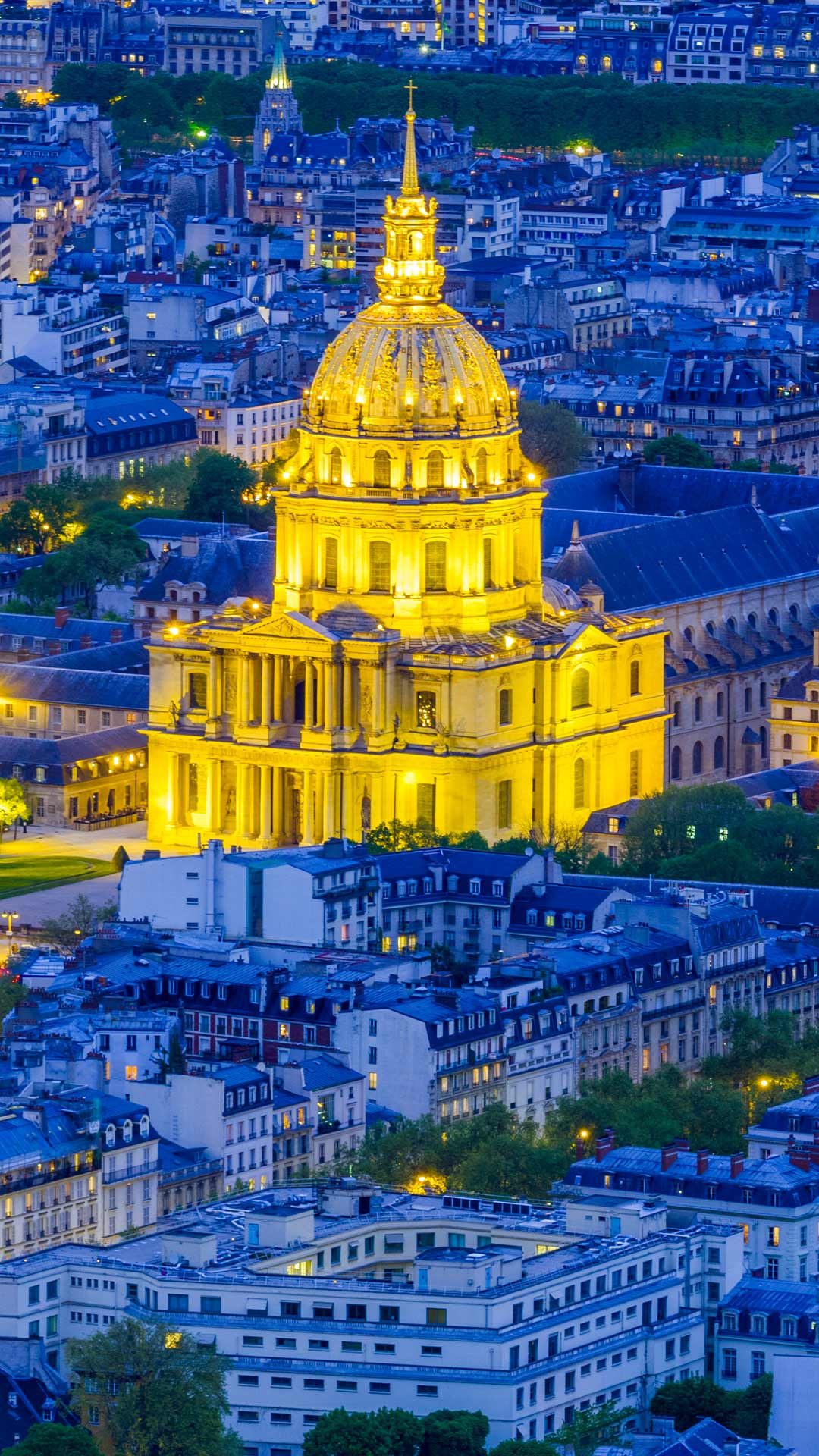
| fr | • | Les Invalides de nuit, Paris |
| (© Don White/Getty Images) |
Pantheon, Paris
Under the solemn dome of the Pantheon, Paris is preparing to welcome, this year, a long-awaited voice: that of George Sand. Aurore Dupin, a child of Berry, drew from forests, slow rivers and peasant lands a fierce freedom, transposed into her novels. In Nohant, nature guided his writing: the wind in the hedges, the dust of the fields, the song of the birds at daybreak. She gave literary dignity to the rural world, defended the humble and women, and made nature a living character.
In 2026, the year of the 150th anniversary of his death, his pantheonization is envisaged. This symbolic gesture would consecrate a work deeply rooted in the landscapes of France, reminding us that national history is also built from dirt roads, seasons and free voices that enrich and honor it forever.
| 2026‑06‑07 ‑ | International / Brazil / Canada ‑ English / Canada ‑ French / China / France / Germany / India / Spain / United Kingdom | 2026‑06‑01 ‑ | Italy |
|---|
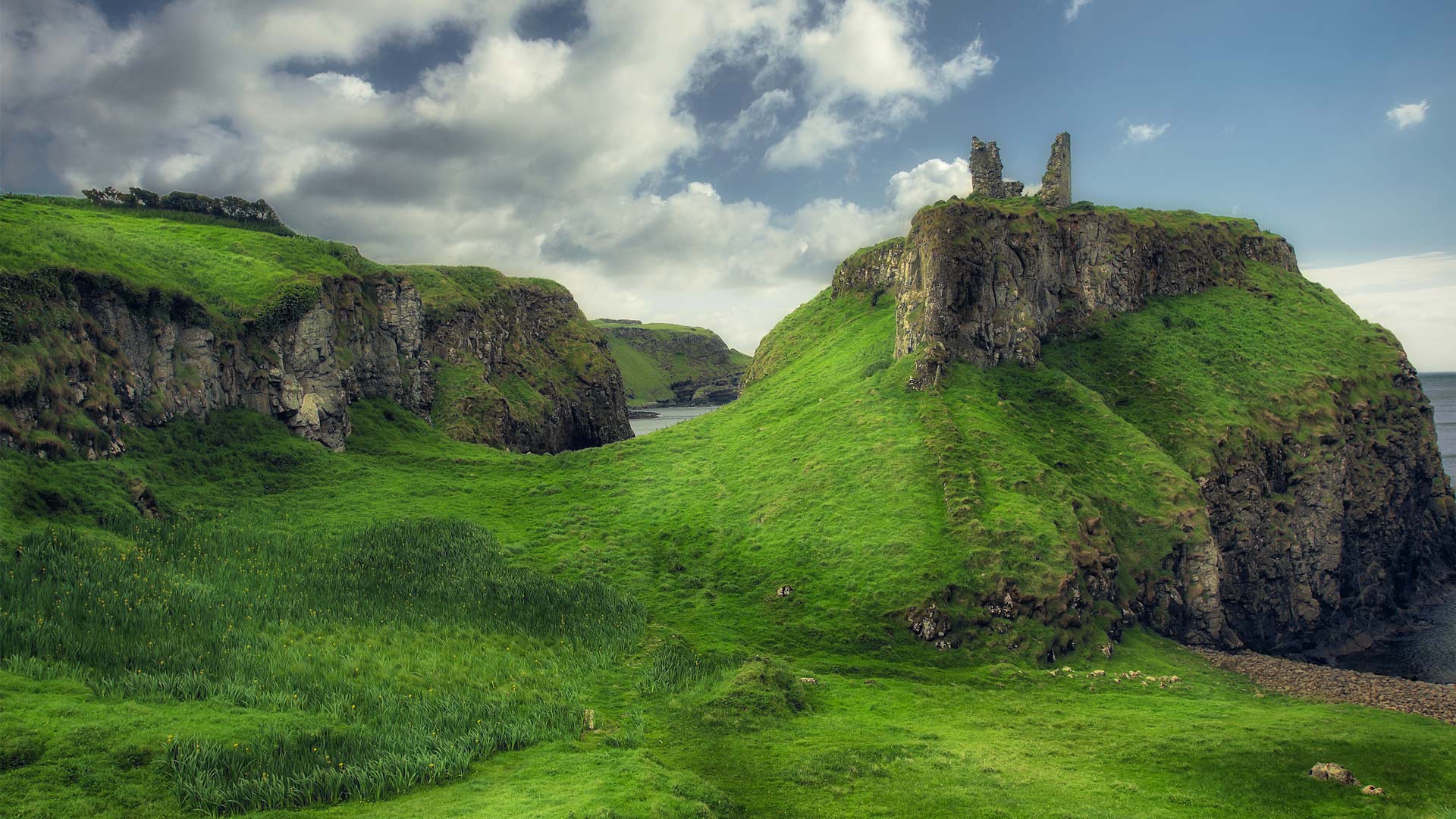
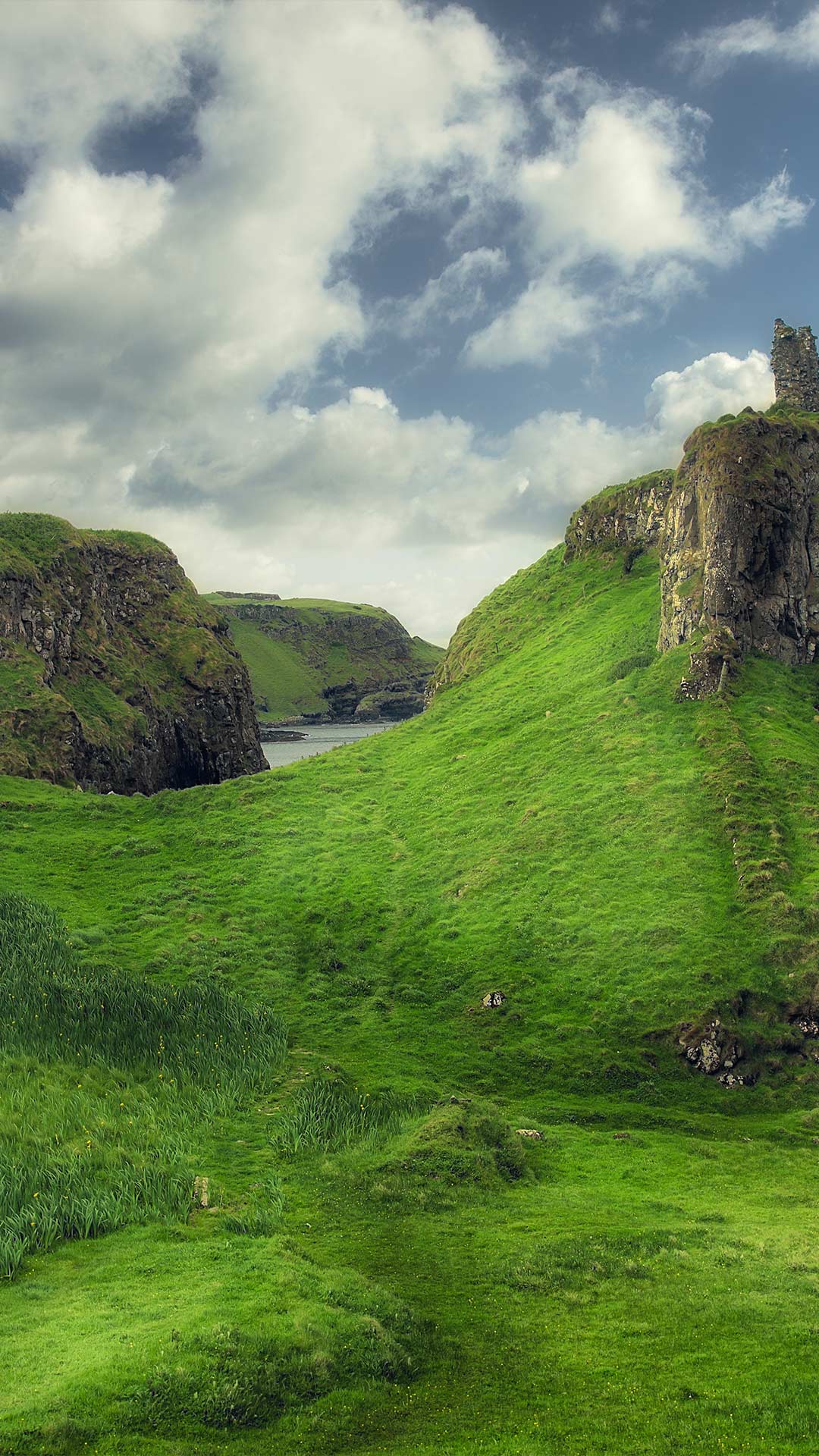
| de | • | Ruine von Dunseverick Castle, County Antrim, Nordirland |
| en | • | Ruins of Dunseverick Castle, County Antrim, Northern Ireland |
| es | • | Ruinas del castillo de Dunseverick, condado de Antrim, Irlanda del Norte |
| fr | • | Ruines du château de Dunseverick, Antrim, Irlande du Nord |
| it | • | Castello di Dunseverick, contea di Antrim, Irlanda del Nord |
| pt | • | Ruínas do Castelo de Dunseverick, Condado de Antrim, Irlanda do Norte |
| zh | • | 邓塞弗里克城堡遗址, 安特里姆郡, 北爱尔兰 |
| (© Krzysztof Rogalski/Getty Images) |
Ruins of Dunseverick Castle, Northern Ireland
At Dunseverick Castle in Northern Ireland, history hangs on—literally. Wall fragments cling to a basalt stack above the Atlantic, proving that even ruins can hold their ground. Two thousand years ago, it marked the end of the Slige Midluachra, one of Ireland's five great roads, linking travellers to the royal seat at Hill of Tara. In the 5th century, Saint Patrick is said to have visited and baptised a local man, Olcán, here. Tradition holds that the Lia Fáil (Stone of Destiny), used for crowning Irish kings, was taken from this shore for Scotland.
Vikings attacked the site in the late 9th century. In 1642, Scottish army officer General Robert Munro damaged the castle, and it was later further destroyed during the Cromwellian conquest of Ireland. Yet a small tower survived until 1978, when it finally gave in to the sea.
Today, managed by the National Trust, it's free, raw and refreshingly unpolished—just a short distance from the Giant's Causeway. A ruin, yes—but one that refuses to fade quietly.