Bing daily wallpapers
page 5 / 20
| 2026‑06‑13 ‑ | Japan |
|---|
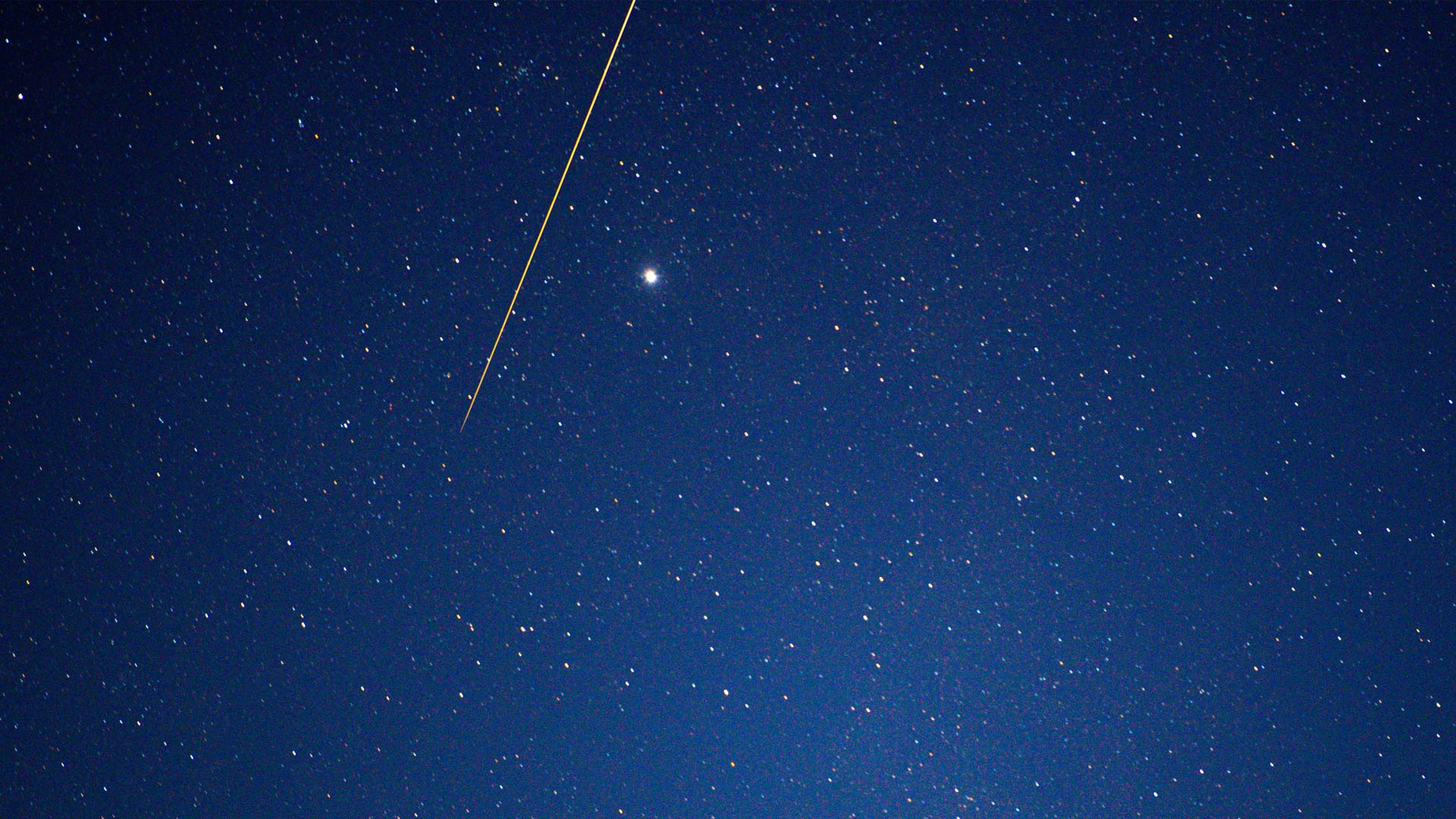
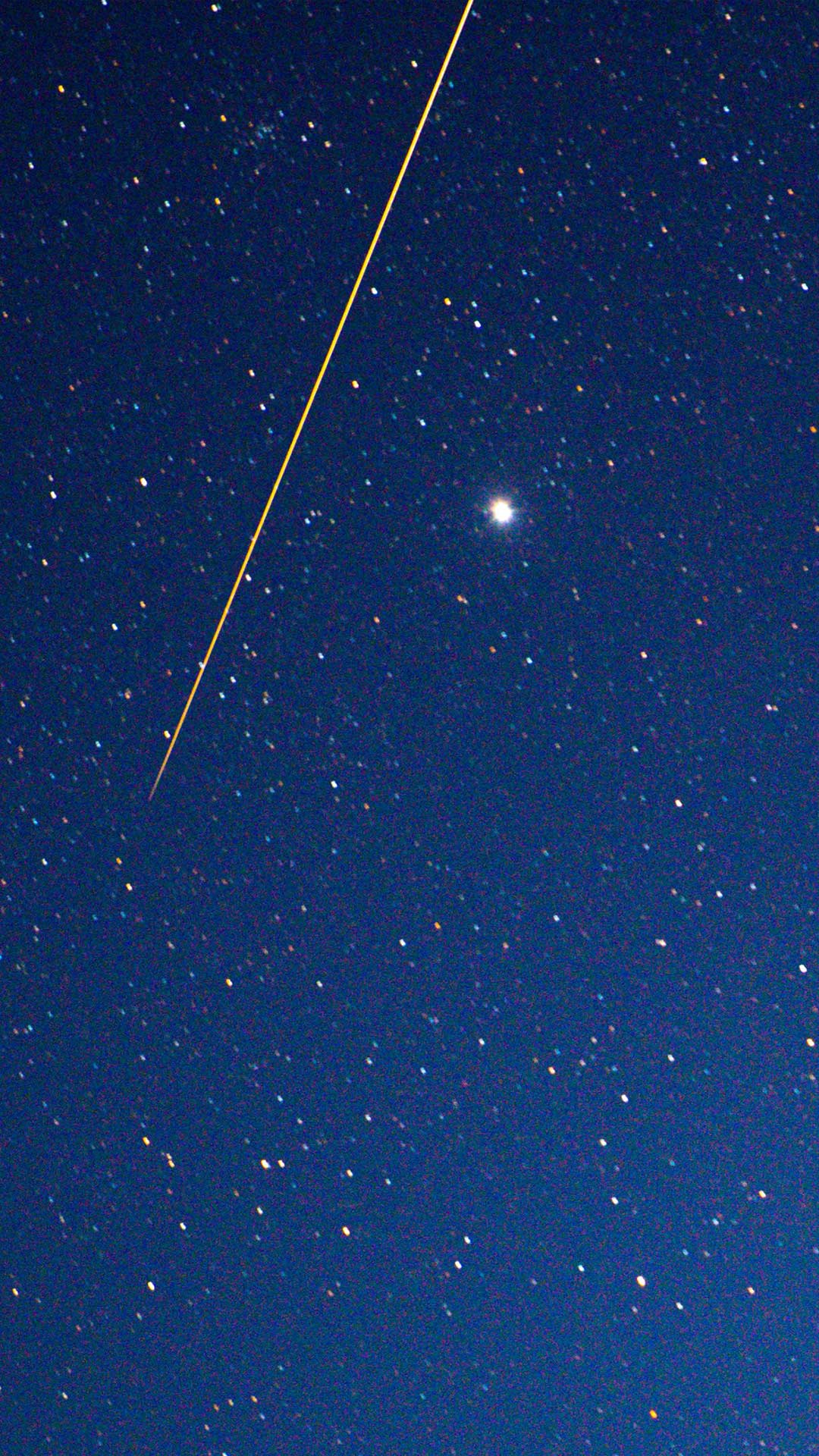
| ja | • | はやぶさ 2 から切り離されたカプセル |
| (© MORGAN SETTE/Getty Images) |
Today is Hayabusa Day.
Today, June 13th, is 'Hayabusa Day.' "Hayabusa" is an asteroid probe launched in 2003 by the Japan Aerospace Exploration Agency (JAXA). Overcoming various troubles such as communication failures, it attracted significant attention by returning to Earth on June 13, 2010. "Hayabusa Day" is a commemorative day established in 2012 to honor Hayabusa and those involved in its projects. In 2014, the successor Hayabusa 2 was launched, and in 2019, it successfully landed a touchdown on the asteroid Ryugu. Today's image shows a capsule containing samples from Hayabusa 2 separated toward Earth and falling on December 6, 2020. The main unit is still operational and continues its expansion mission.

| 2026‑06‑12 ‑ | Brazil |
|---|
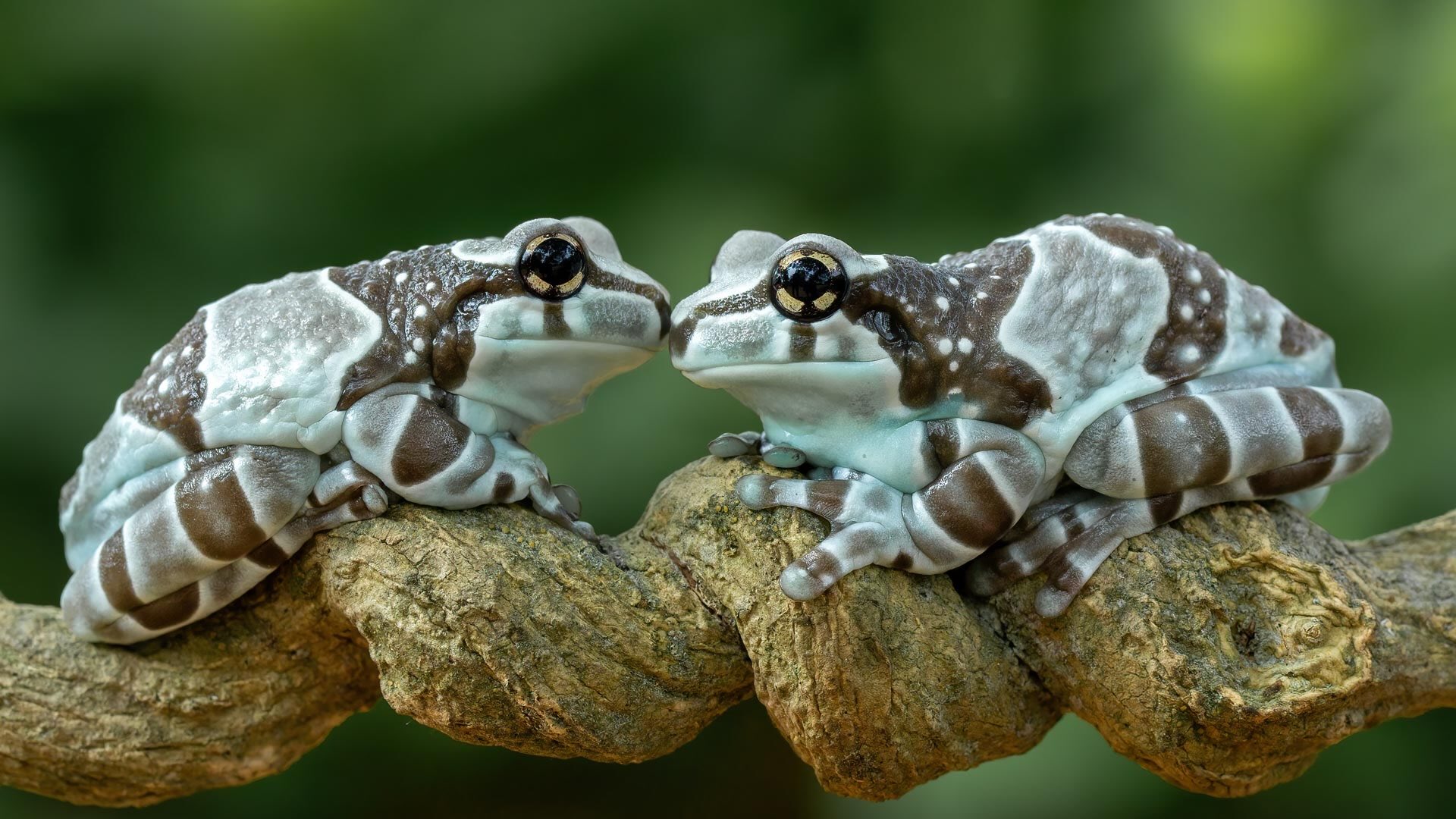
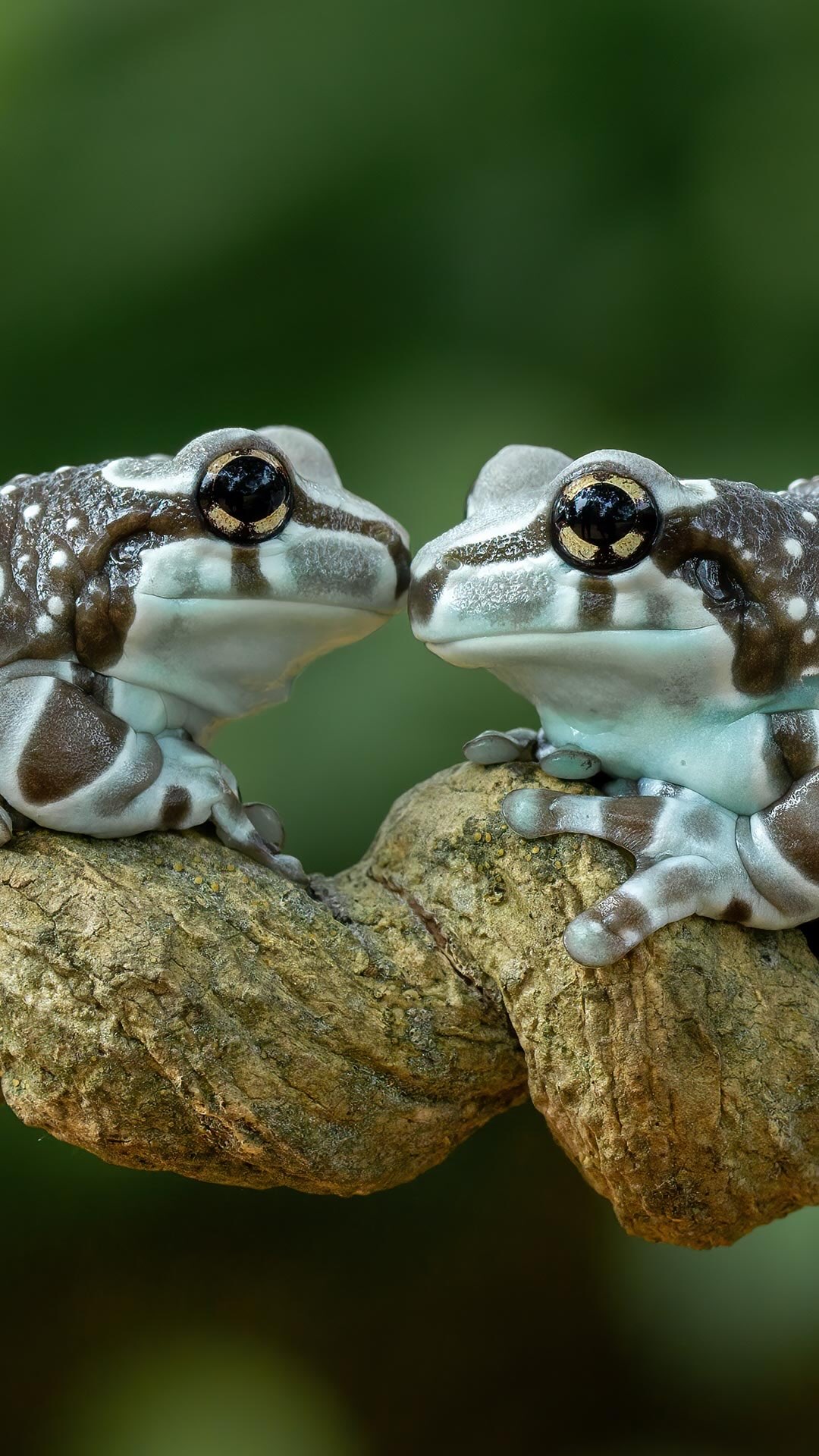
| pt | • | Casal de rãs-leitosas-da-amazônia, ou pererecas-de-leite |
| (© Lauren Suryanata/Shutterstock) |
Happy Valentine's Day!
In the Amazon, Valentine's Day has no flowers, chocolates, candlelight or romantic playlists. Even so, these milky frogs of the Amazon pause their routine for an instant of complicity in the heights.
Also known as the milk tree frog, it lives in the canopies, away from the ground, using fingers as suction cups to firm itself on leaves and branches. The bluish skin helps in camouflage in its favorite shift — the night shift — in addition to producing the whitish and toxic secretion that drives away curious people and gives the species its name. When the season comes, the couple attaches themselves to each other and lays dozens of eggs in small reserves of rainwater accumulated in hollow logs.
Romance or survival strategy? In nature, one thing does not exclude the other. In any species, those who walk together go further. On Valentine's Day, these frogs of up to 9 centimeters do not offer the inspiration of grand gestures, but that of discreet presences that make the path lighter.

| 2026‑06‑11 ‑ | International / Brazil / Canada ‑ English / Canada ‑ French / China / France / Germany / India / Italy / Spain / United Kingdom / United States | 2026‑06‑07 ‑ | Japan |
|---|
| de | • | Napfschnecken bei Ebbe an der Küste von Praia da Ursa, Portugal |
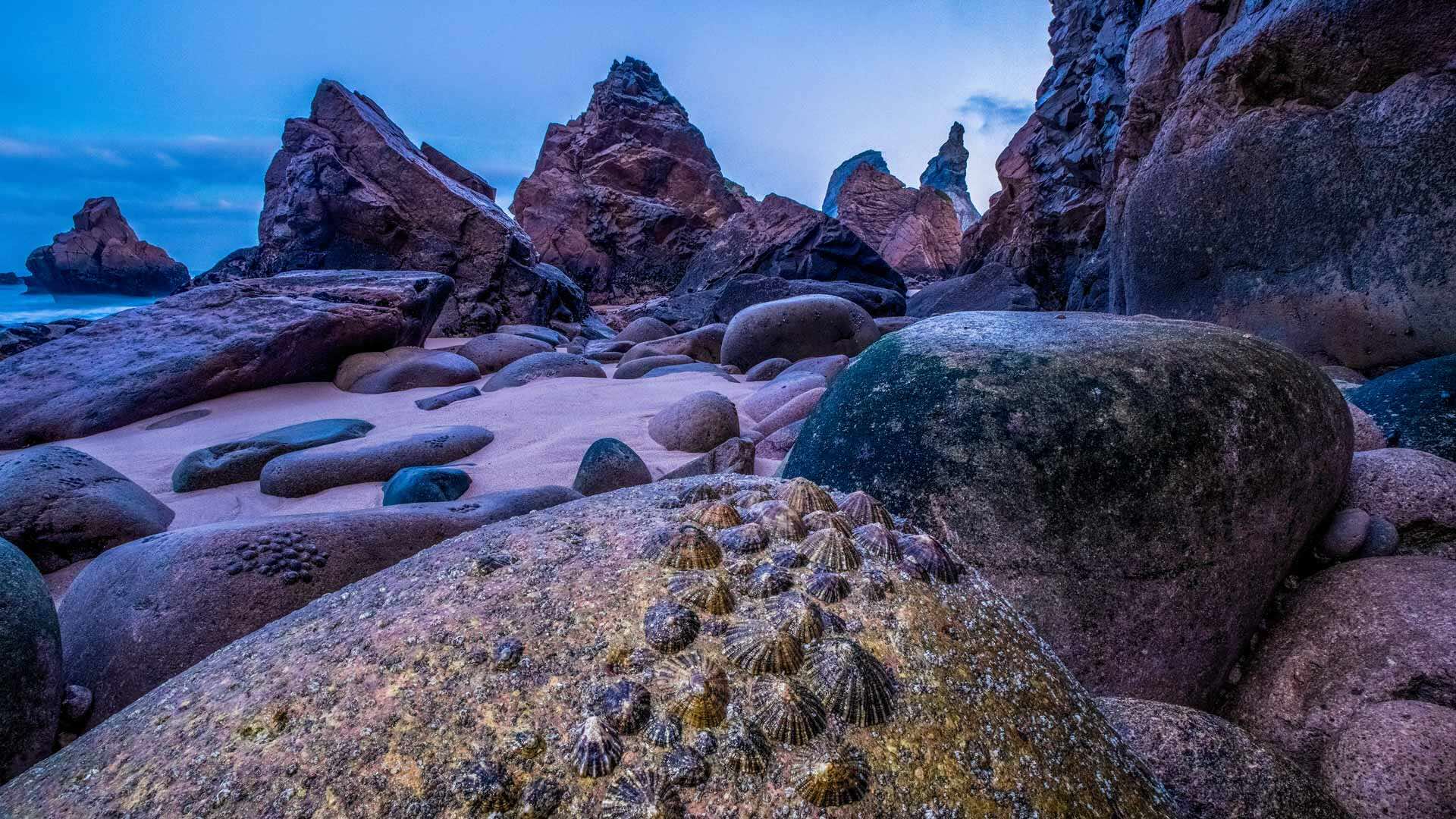
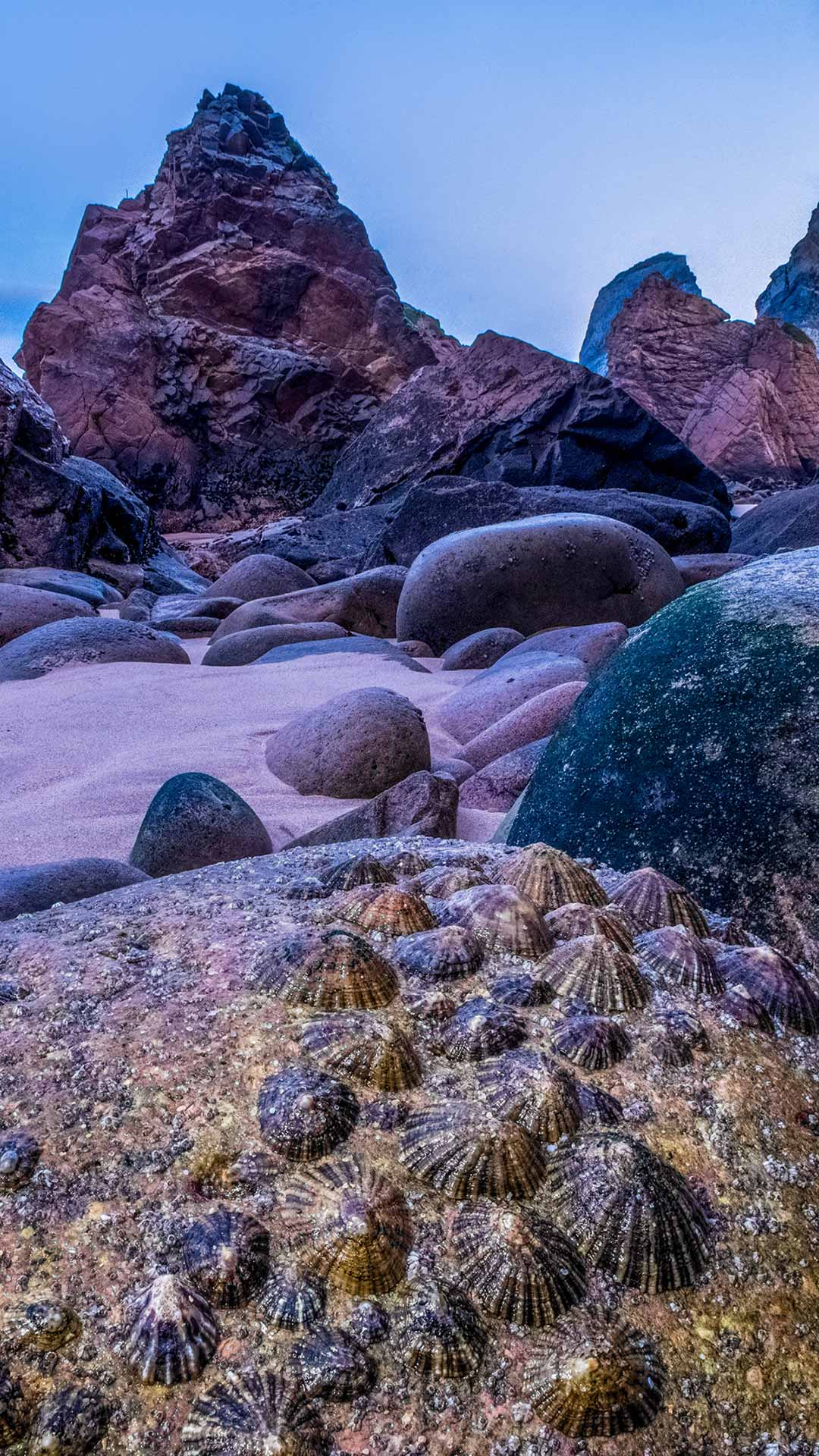
| en | • | Limpets exposed at low tide on the coast of Praia da Ursa, Portugal |
| es | • | Lapas en la costa de Praia da Ursa, Portugal |
| fr | • | Des patelles à marée basse sur la Praia da Ursa, Portugal |
| it | • | Patelle, costa di Praia da Ursa, Portogallo |
| ja | • | プラヤ・ダ・ウルサ, ポルトガル |
| pt | • | Lapas expostas na maré baixa na costa da Praia da Ursa, Portugal |
| zh | • | 退潮时裸露在乌尔萨海滩海岸上的帽贝, 葡萄牙 |
| (© Theo Bosboom/Nature Picture Library) |
Limpets at low tide on the coast of Praia da Ursa, Portugal
Tucked away beneath steep cliffs near Cabo da Roca, the westernmost point of mainland Europe, Praia da Ursa feels like the edge of the continent. Reached by a narrow, rugged trail, this secluded beach along Portugal's Atlantic coast is shaped largely by wind, stone and powerful waves. When the tide recedes, the shoreline briefly widens. Smooth rocks emerge, and with them, small signs of life. Limpets cling tightly to the exposed stone, holding fast where the ocean usually breaks.
These modest marine snails are well adapted to conditions here, using strong suction and low shells to withstand surf, shifting temperatures and long periods exposed to air. During high tide or when submerged, they graze on algae, then return to familiar spots as the sea recedes. Praia da Ursa's isolation makes these moments easy to miss and rewarding to notice. In a landscape defined by scale and force, even the smallest survivors reflect the Atlantic coast's quiet resilience.












| 2026‑06‑11 ‑ | Japan |
|---|
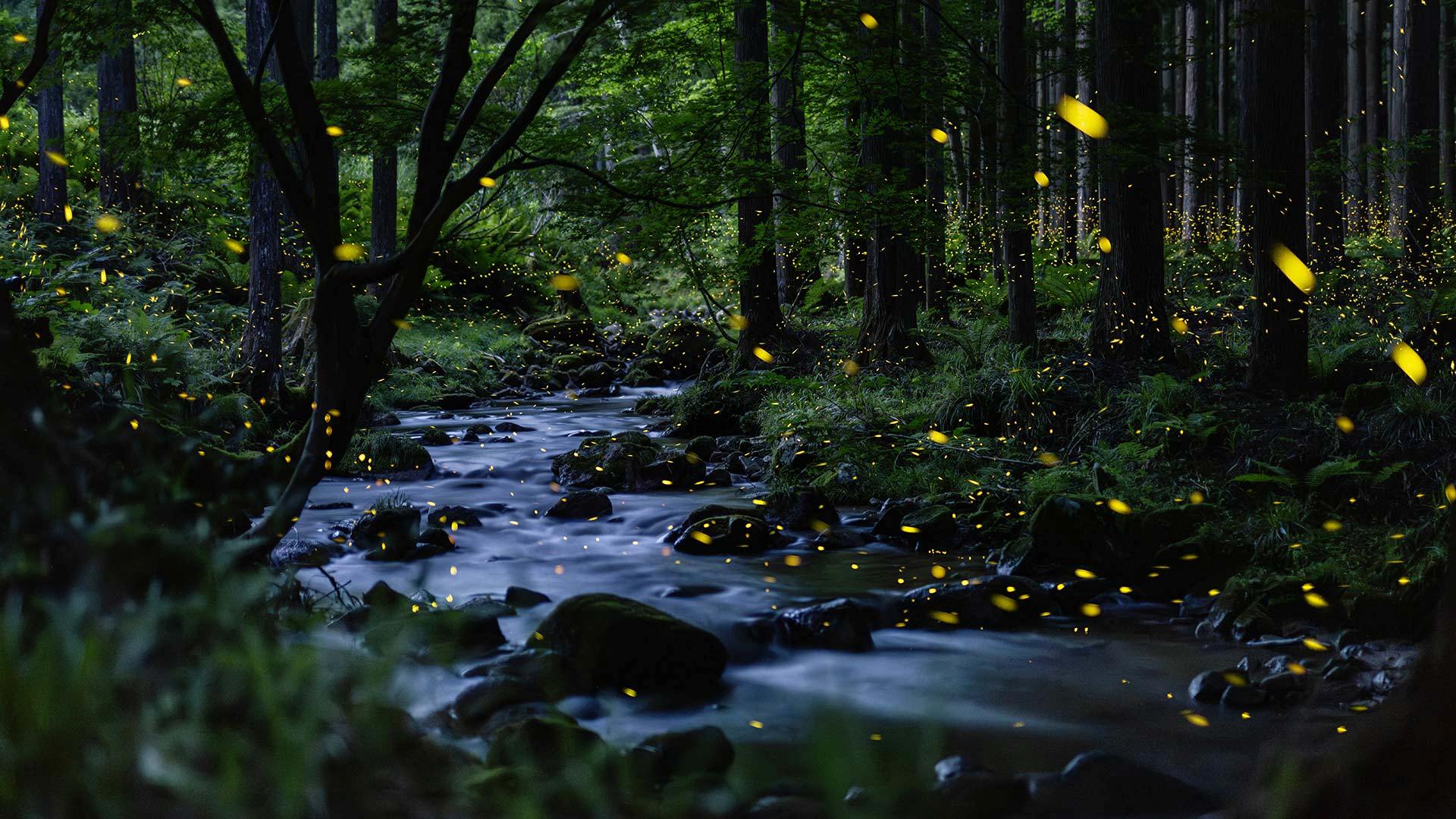
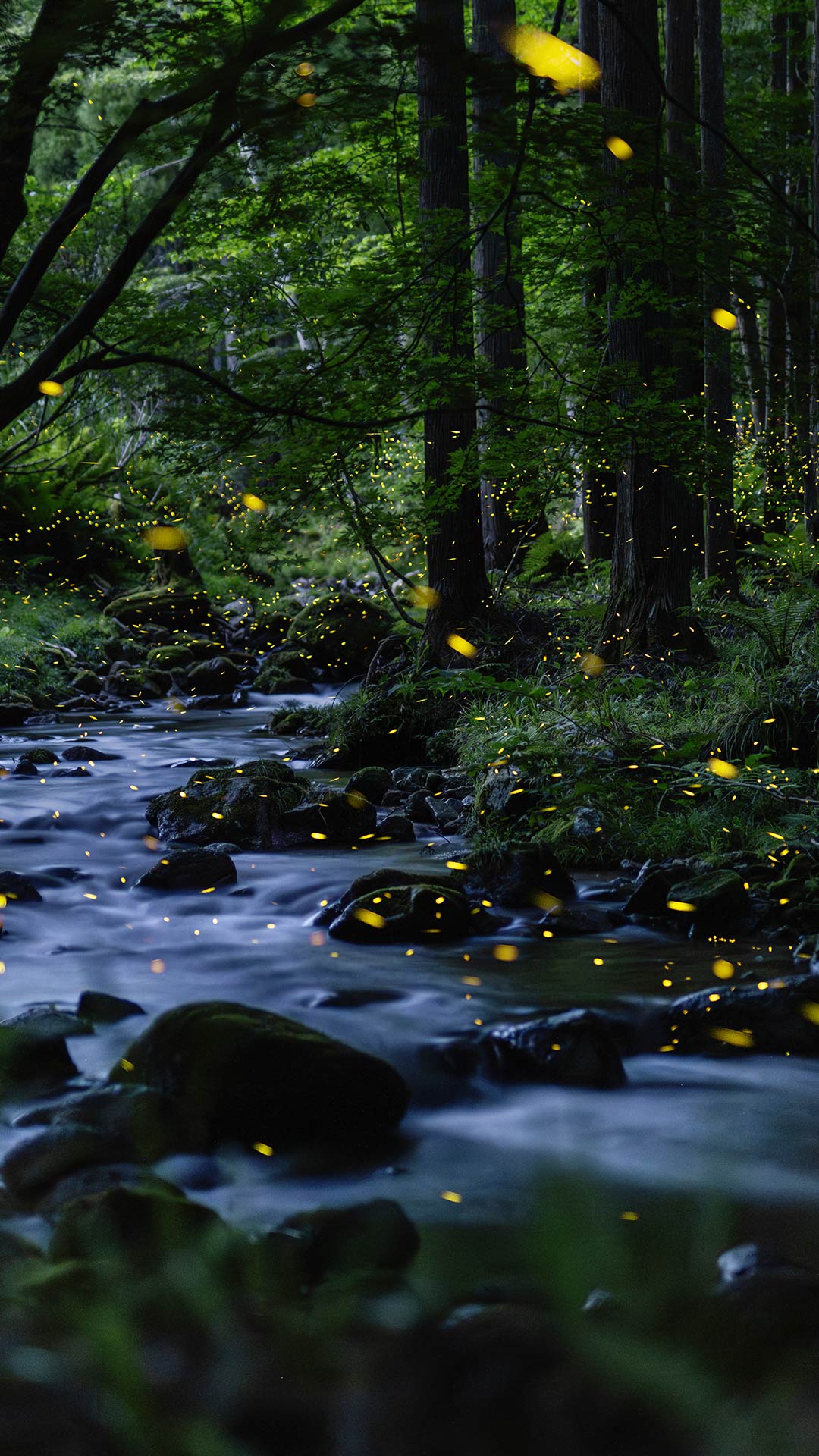
| ja | • | 蛍の光がきらめく森, 日本 |
| (© tdub303/Getty Images) |
Fireflies glowing above a stream, Okayama Prefecture, Japan
In Okayama Prefecture, when humid air settles over a stream, hotaru—Japan's fireflies—begin signalling. On warm, windless evenings, they often start glowing about two hours after sunset under favourable conditions, inviting silence beside water.
Fireflies aren't flies but beetles, and most species stay near water—ponds, streams, marshes and rivers. By day they hide low in the grass; after dark they climb vegetation and take flight, flashing to find a mate. Their light comes from a chemical reaction in the abdomen, and species-specific timing helps partners recognise the right signal. Their young live a quieter, hungrier life: larvae are carnivores that feed on soft-bodied prey such as snails and slugs. Adults may eat insects, nectar or pollen.
In Japan, watching them—hotaru-gari—has deep roots. Heian-era (794–1185) writers like Sei Shōnagon wrote about fireflies, and later literature and ukiyo-e art—a traditional form of woodblock prints and paintings—used their brief light to evoke impermanence.
| 2026‑06‑10 ‑ | International / Canada ‑ English / Canada ‑ French / China / France / Germany / India / Japan / Spain / United Kingdom / United States | 2026‑06‑07 ‑ | Italy |
|---|
| de | • | Vulkanischer Kratersee Hnausapollur, Naturschutzgebiet Fjallabak, Landmannalaugar, Island |
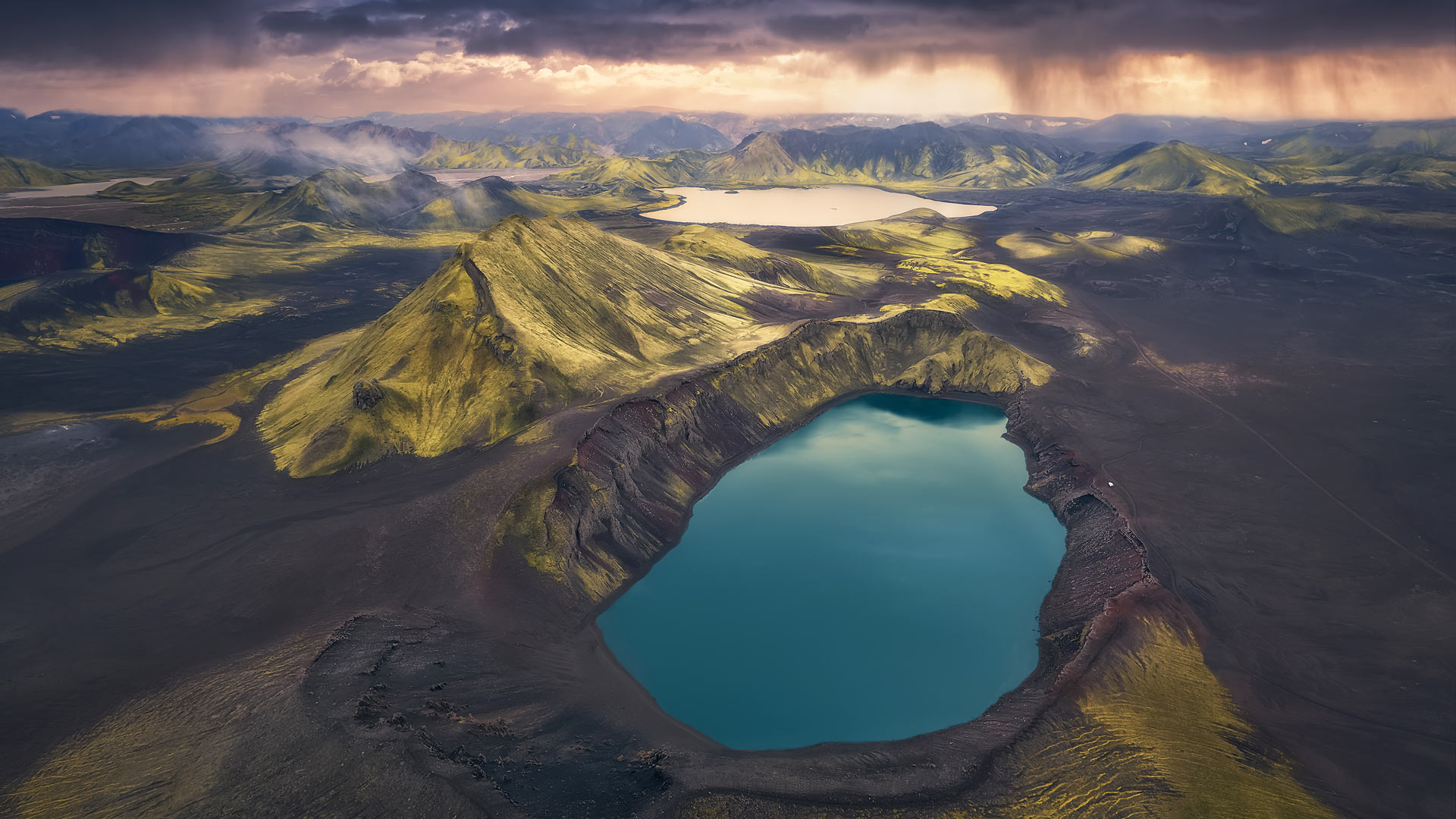
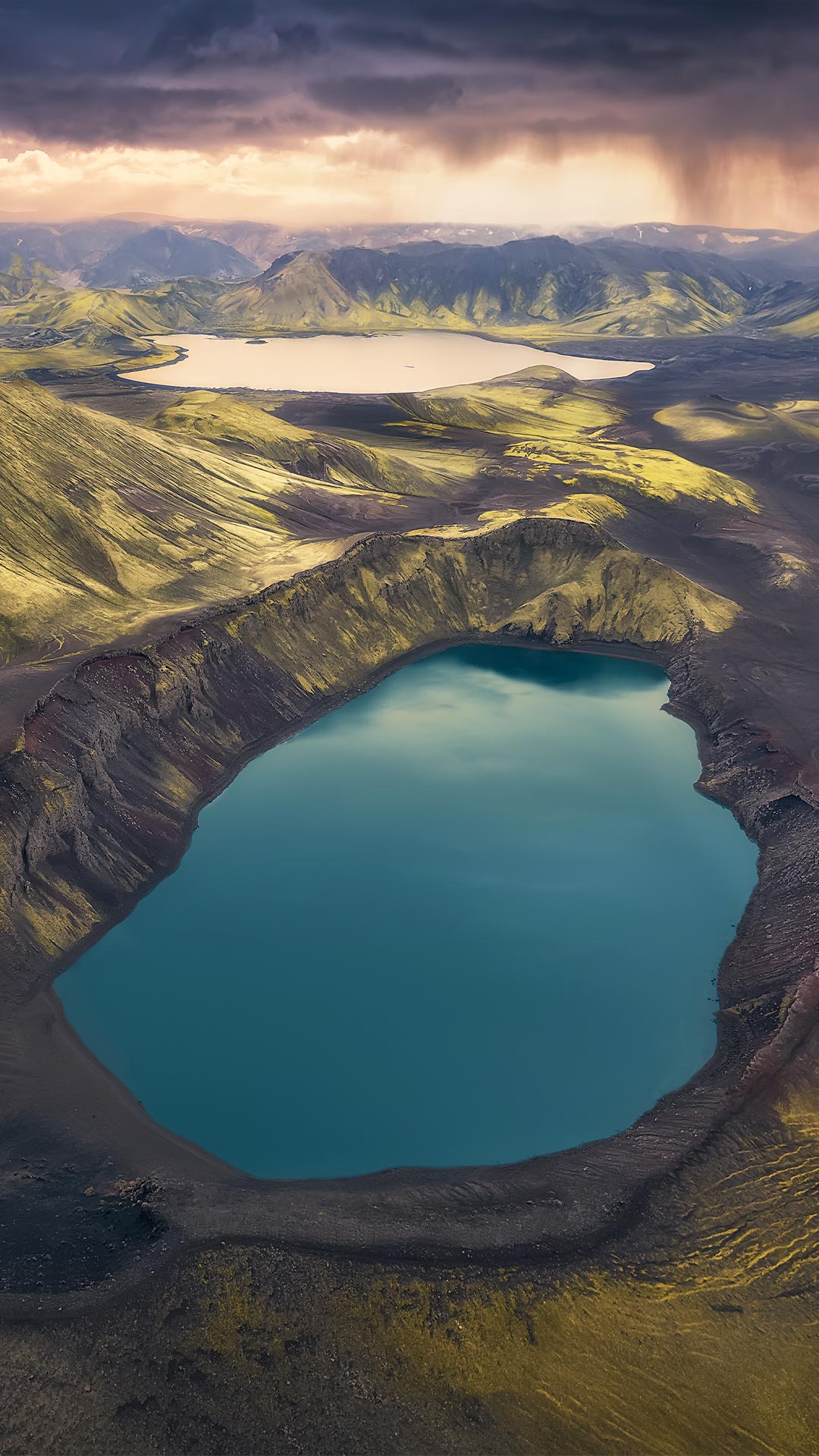
| en | • | Hnausapollur volcanic crater lake, Fjallabak Nature Reserve, Landmannalaugar, Iceland |
| es | • | Lago del cráter de Hnausapollur, Landmannalaugar, Islandia |
| fr | • | Lac de Hnausapollur, Réserve naturelle de Fjallabak, Landmannalaugar, Islande |
| it | • | Lago del cratere Hnausapollur, riserva naturale di Fjallabak, Islanda |
| ja | • | フナウサウポットル, アイスランド |
| zh | • | 赫瑙萨波鲁尔火山口, 菲亚拉巴克自然保护区, 兰德曼纳劳加尔, 冰岛 |
| (© Juan Maria Coy Vergara/Getty Images) |
Hnausapollur crater lake, Fjallabak Nature Reserve, Iceland
From above, the lake's smooth surface contrasts sharply with the rugged ground surrounding it. Hnausapollur crater lake—also known as Bláhylur—lies in the heart of Fjallabak Nature Reserve, a remote area of Iceland's highlands shaped more by volcanic activity than by human settlement. The crater formed when magma met groundwater, triggering an explosion that carved out the circular basin visible today.
Over time, rain, meltwater and groundwater accumulated within the basin, forming the striking lake seen in today's image. Its colour shifts with light and weather, often glowing turquoise under clear skies and appearing deeper blue or grey when clouds pass overhead. The surrounding slopes reveal distinct layers of volcanic material, recording successive eruptions that once spread across the landscape.
Fjallabak remains largely undeveloped, protected for its geology and vast open spaces. From this aerial perspective, it's easy to see how powerful natural forces shaped Hnausapollur and why Iceland's highlands continue to captivate visitors—a place where the Earth's restless energy remains visible at the surface
| 2026‑06‑10 ‑ | Brazil |
|---|
| pt | • | Coruja-buraqueira em sentinela |
| (© Wendy/Jeff Sparks/Torquemada/Getty Images) |
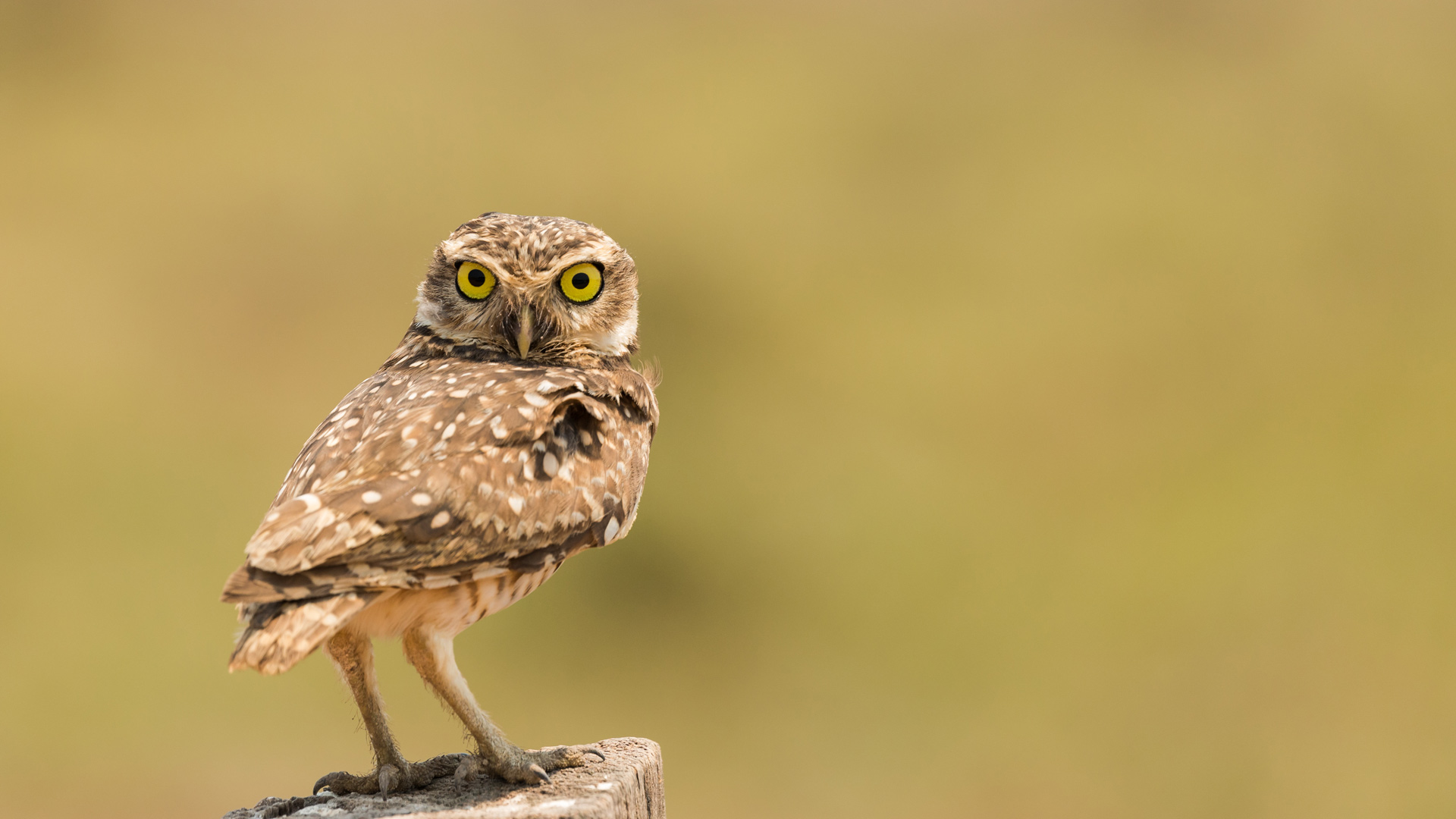
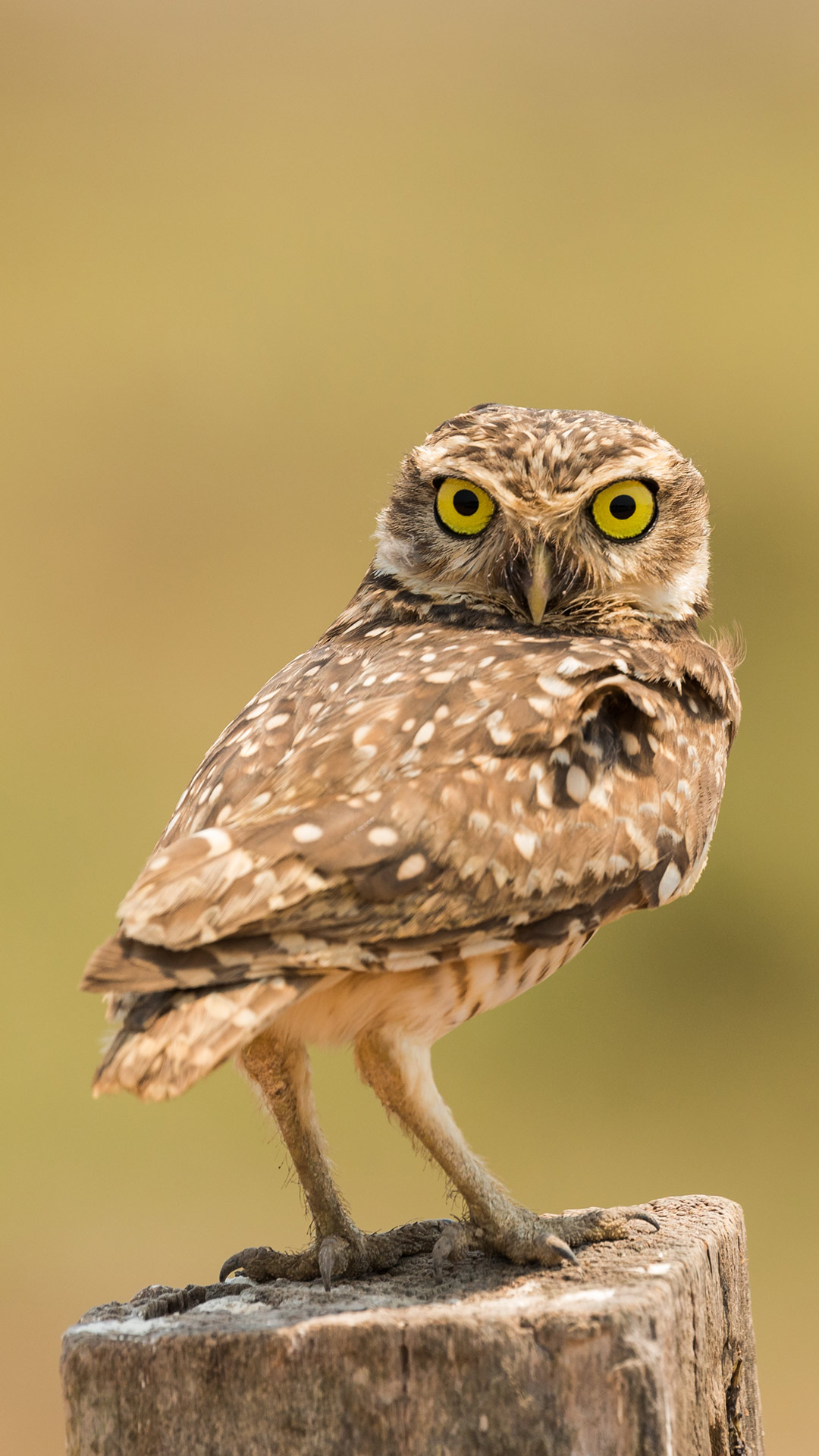
Burrowing owl at the sentry
Nocturnal? Only when it is convenient. The burrowing owl in the image decided to ignore the classic script. While other owls go out at night, she takes over the day shift. While others live in trees, it prefers burrows in the ground, excavated or repurposed from armadillos, which function as shelter and observation post.
Small, about 20 to 25 centimeters, it occupies open fields, sandbanks, pastures and even urban areas of Brazil. Its menu includes insects, small rodents, reptiles and even scorpions, helping to maintain local balance. It is territorial and does not act alone. Couples maintain a coordinated vigilance: while one keeps nest, eggs and chicks safe, the other hunts. When threatened, it lets out a sound similar to a snake rattle — an efficient bluff to ward off unsuspecting onlookers.
The buraqueira does not need shadows, nor height, to dominate the space. It makes the ground a viewpoint and the gaze, its first line of defense.