Random Windows Spotlight images
page 9 / 10
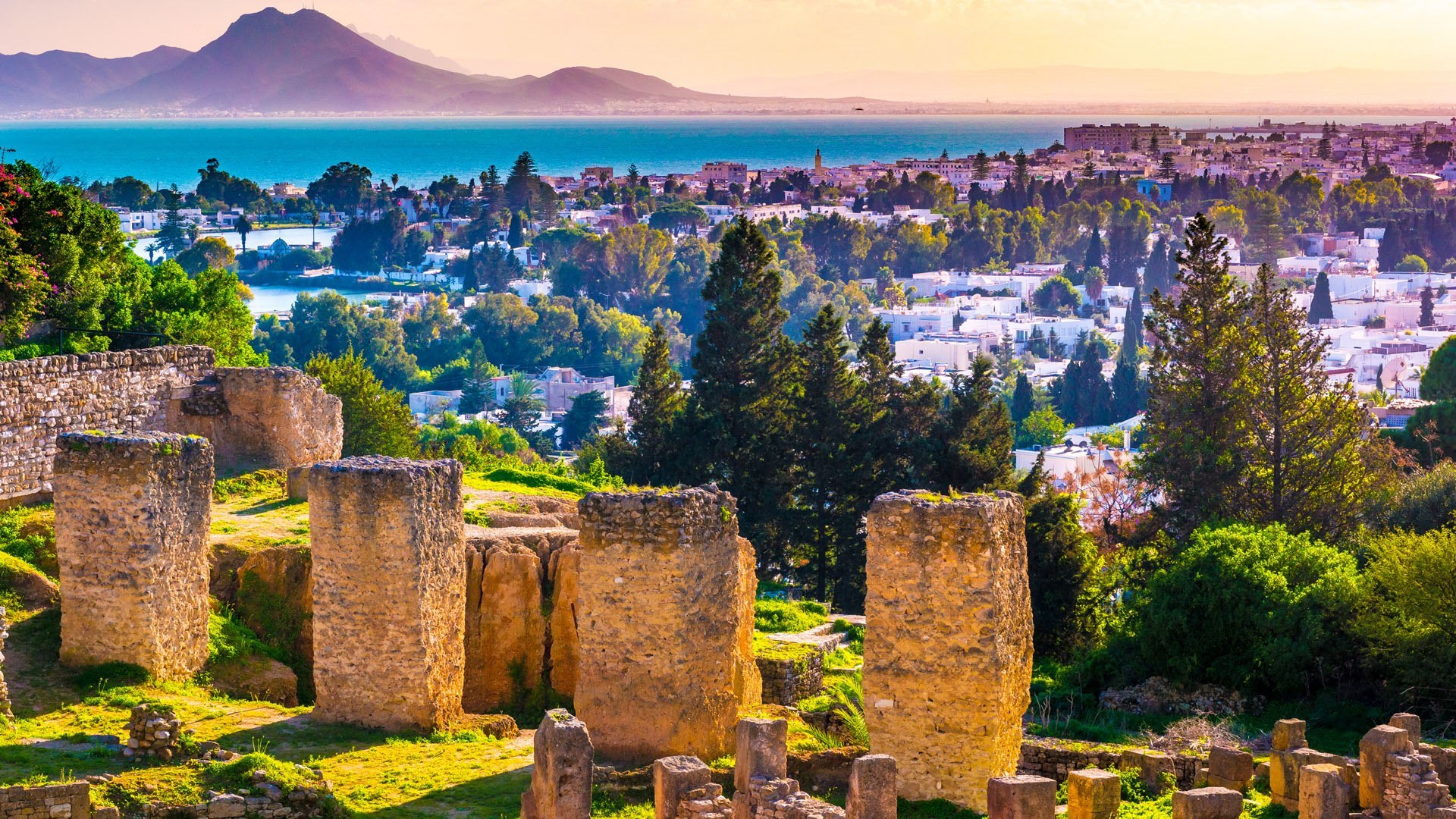
Byrsa Hill in Carthage, Tunisia
From this vantage point we see a panorama of Carthage and the blue Gulf of Tunis beyond. But this hilltop spot isn't only a great place to take in the view. Those time-worn stones in the foreground hint at the history here. Byrsa Hill has been a strategic site for millennia—and most major regional powers controlled it at one point or another. Figurative 'kings'—and legendary queens—of this hill included Amazighs, Phoenicians, Romans, Vandals, and rulers of the Byzantine Empire. Byrsa Hill was once topped by an enormous citadel that was reputedly the last bastion in Carthage to be conquered by the Romans in the Third Punic War. Today the hill is dotted with what remains of a residential area known as the Punic Quarter.


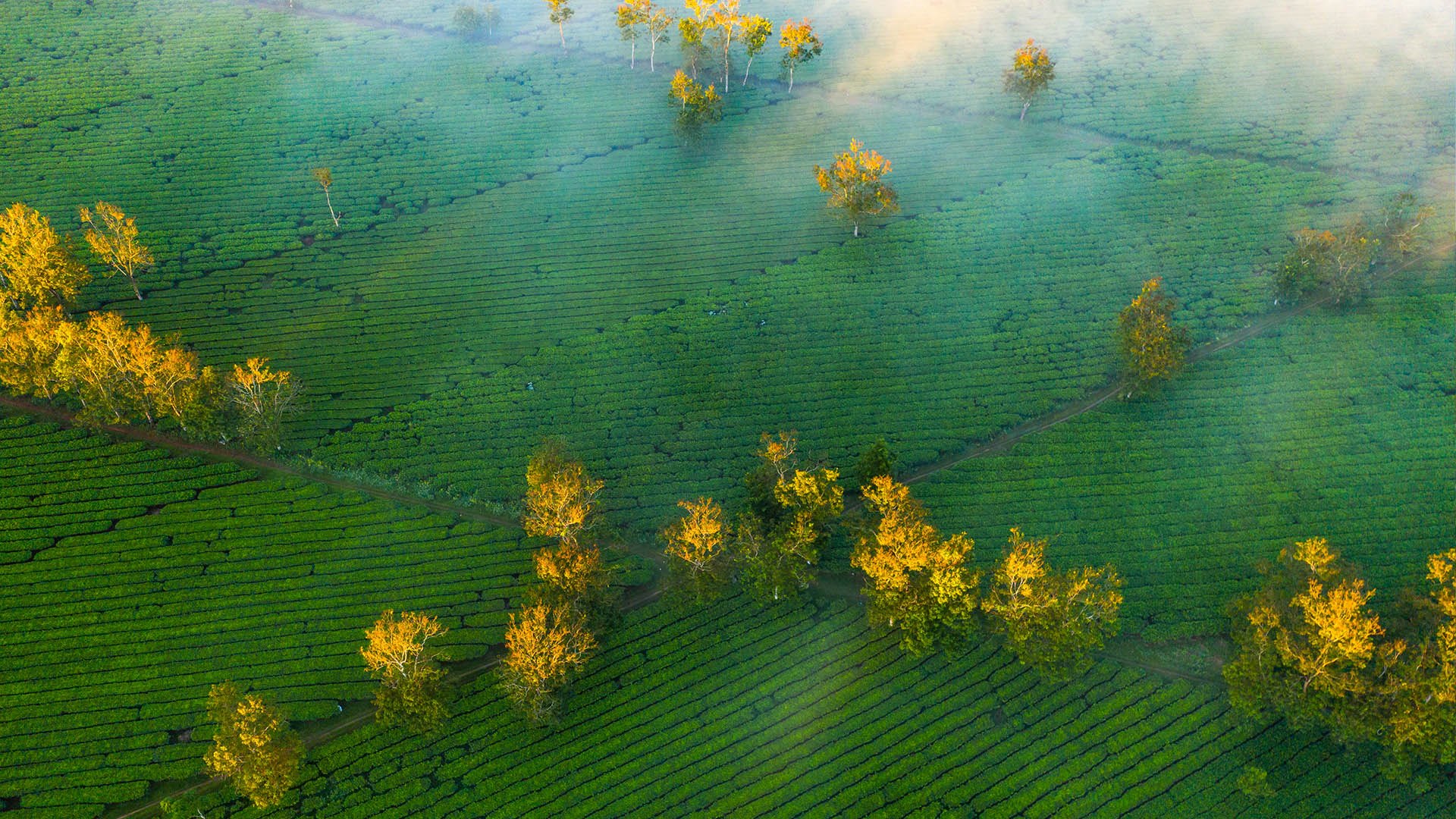
Aerial view of a tea hill in Gia Lai province, Vietnam
The rich soil of the Central Highlands supports much of Vietnam's agricultural industry, especially when it comes to coffee growing. But we're looking at a different crop below: Laid out in neat rows and punctuated by a scattering of trees is a tea hill in Gia Lai province, one of the most beautiful areas of the Highlands. Tea plants thrive in the province's moderate climate, but of course there's more to Vietnam's second-largest province besides fertile farmland. The region's ancient culture—sometimes referred to as Gong Culture—is reflected in ornate pagodas, traditional villages, and colorful festivals held throughout the area.

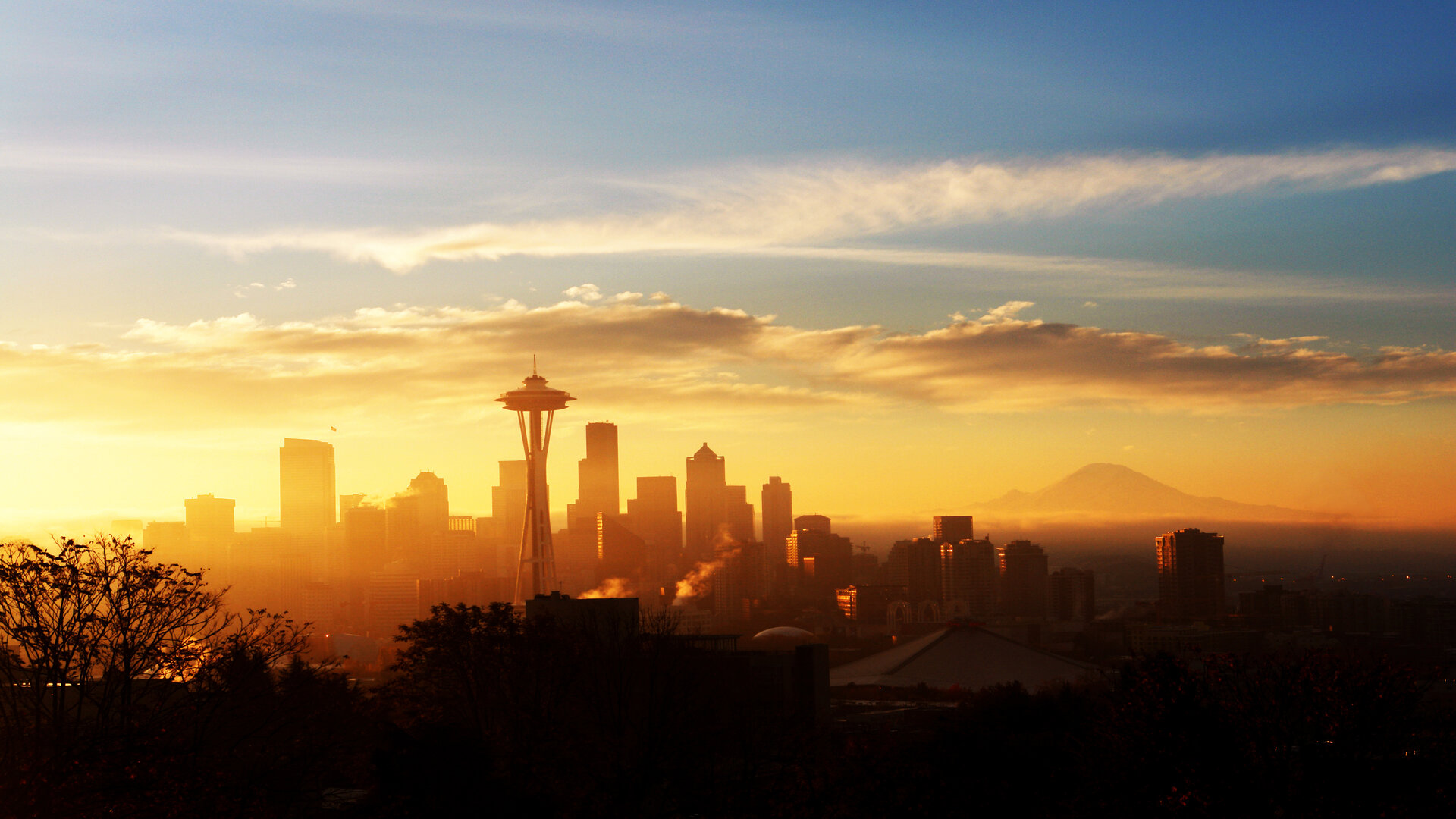
Seattle Awakens To A Beautiful New Day

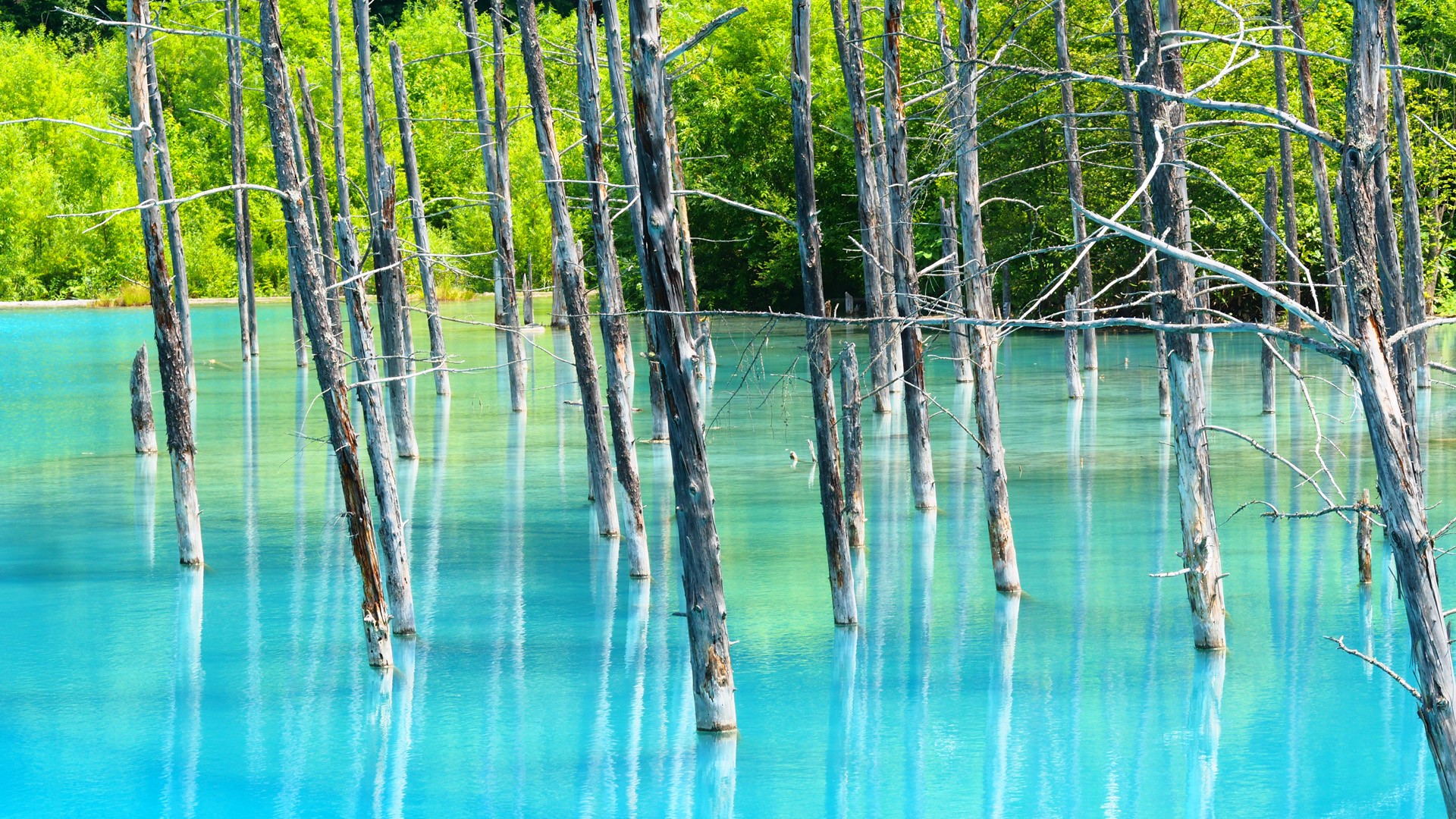
Silver birch trees in a blue pond, Furano, Hokkaido, Japan
Scientists aren’t entirely sure what causes the vibrant color in Hokkaido’s Blue Pond. The water itself isn’t unusual, and appears clear. But at different angles, times of day, and depending on the light and distance, the water of this small pond near Daisetsuzan National Park can look electric blue or turquoise. The current theory centers on the relatively high concentration of aluminum hydroxide in the sediment at the bottom of the pond, which can reflect light in short wavelengths of blue, just as Earth’s atmosphere does to make our sky blue.

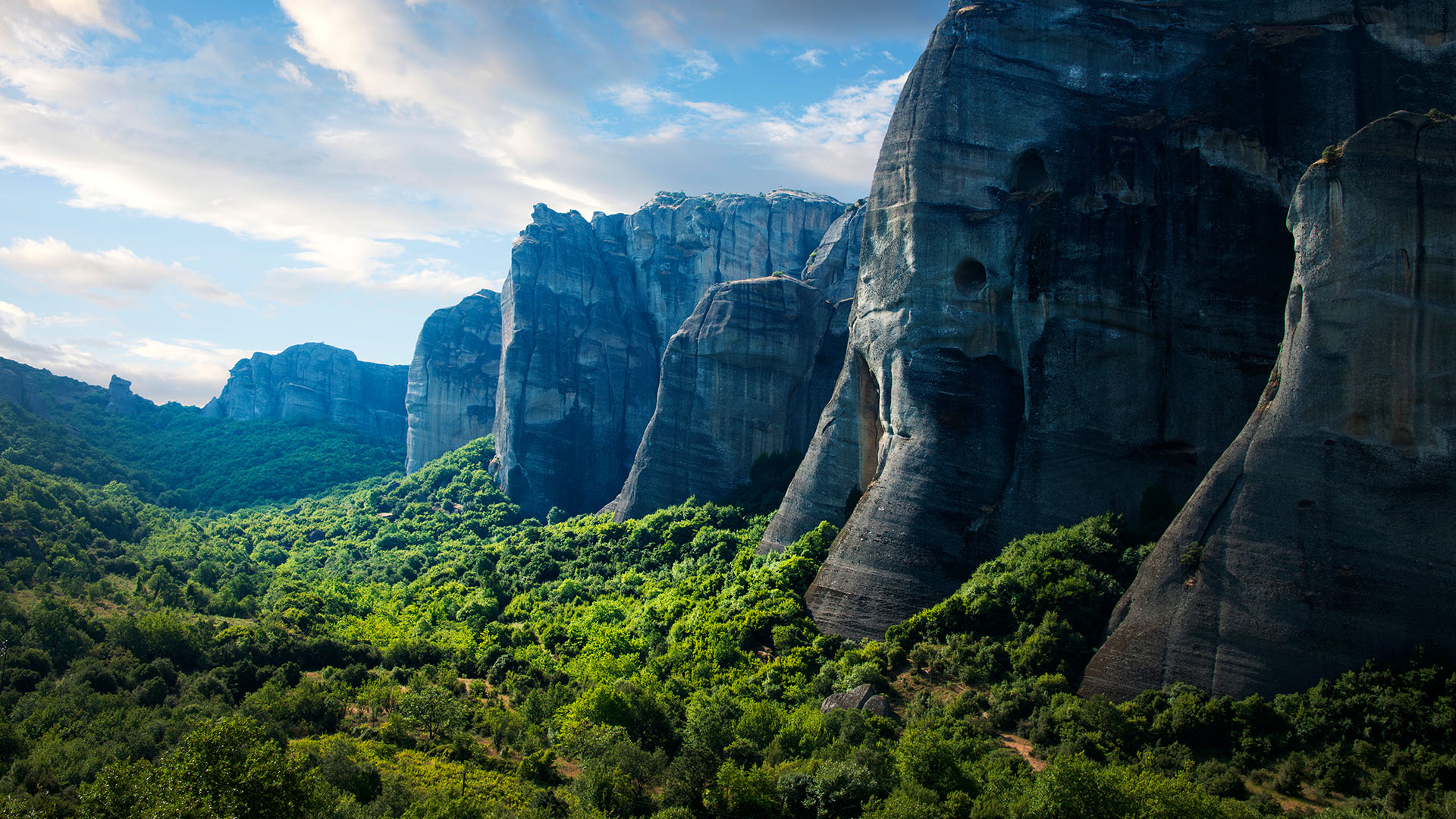
Meteora rock formation in Thessaly, Greece
Meteora is a breathtaking landscape of gigantic rock pillars, some of which host ancient monasteries built atop the boulders. For centuries, the only way in and out of the dwellings atop these sandstone pillars was via ladders or to be raised and lowered by ropes and nets. 'Meteora' means 'middle of the sky' or 'in the heavens.' Pilgrims visiting the Roussánou Monastery were once forced to scale these walls in death-defying climbs. Today, a network of roads and bridges will get you there. Even with those safer routes available, though, some technical climbers like to tackle these pillars for sport.

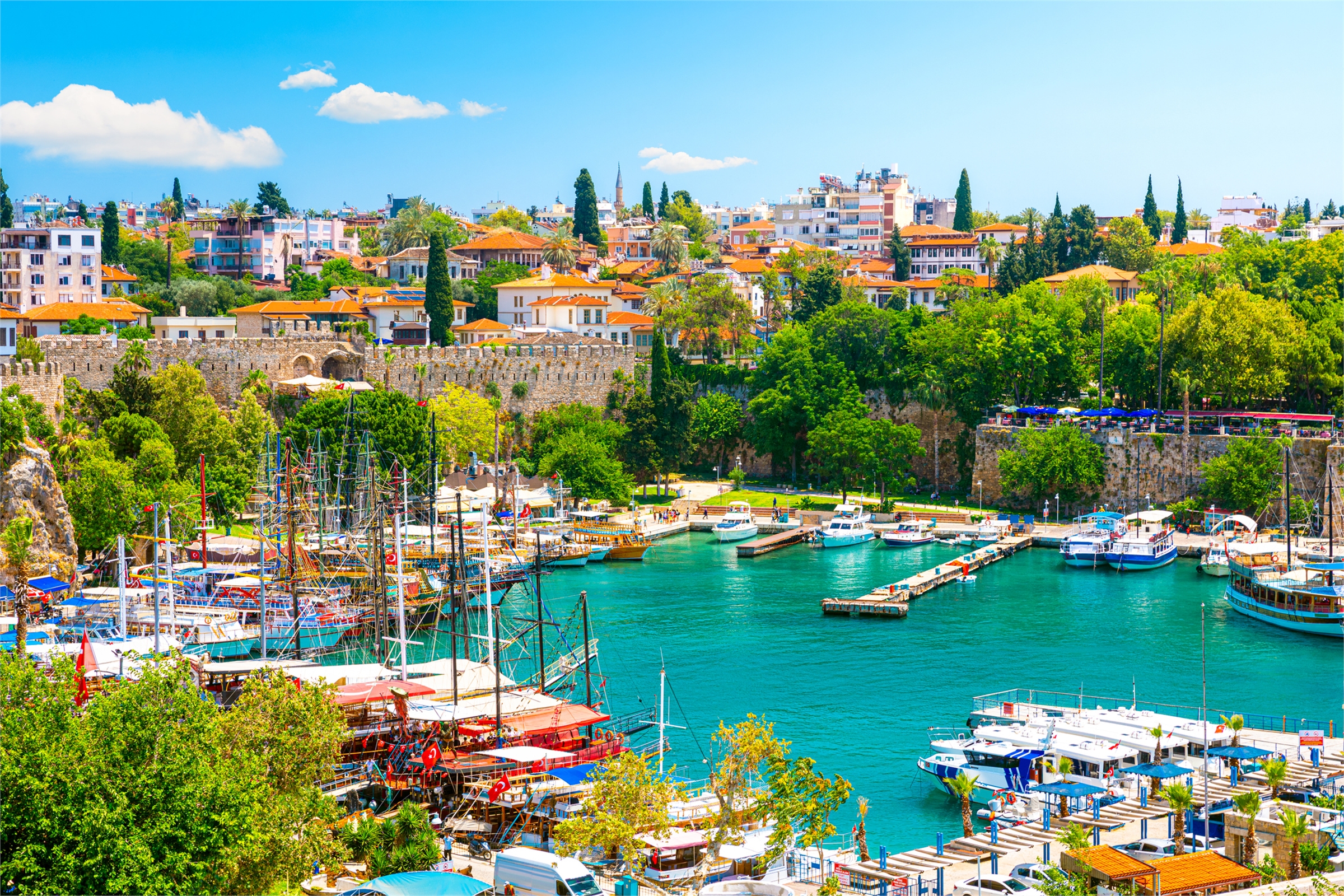
Antalya, Türkiye
Known as the gateway of the "Turkish Riviera," this province plays host to a variety of seaside and downtown attractions. The Old Harbor is a beautiful and quiet place where you can sip some coffee in its many cafes or swim near the beach. Equally quaint and attractive is the Old Town (Kaleiçi), where you can stroll calmly along the district's cobblestone streets. As you take in the old-world ambiance of this picturesque part of Antalya, you can drop by its numerous souvenir shops, art galleries, and restaurants to satisfy your cultural or gastronomic cravings.

Random Windows SpotLight images - page 9 / 10