Random Windows Spotlight images
page 7 / 10
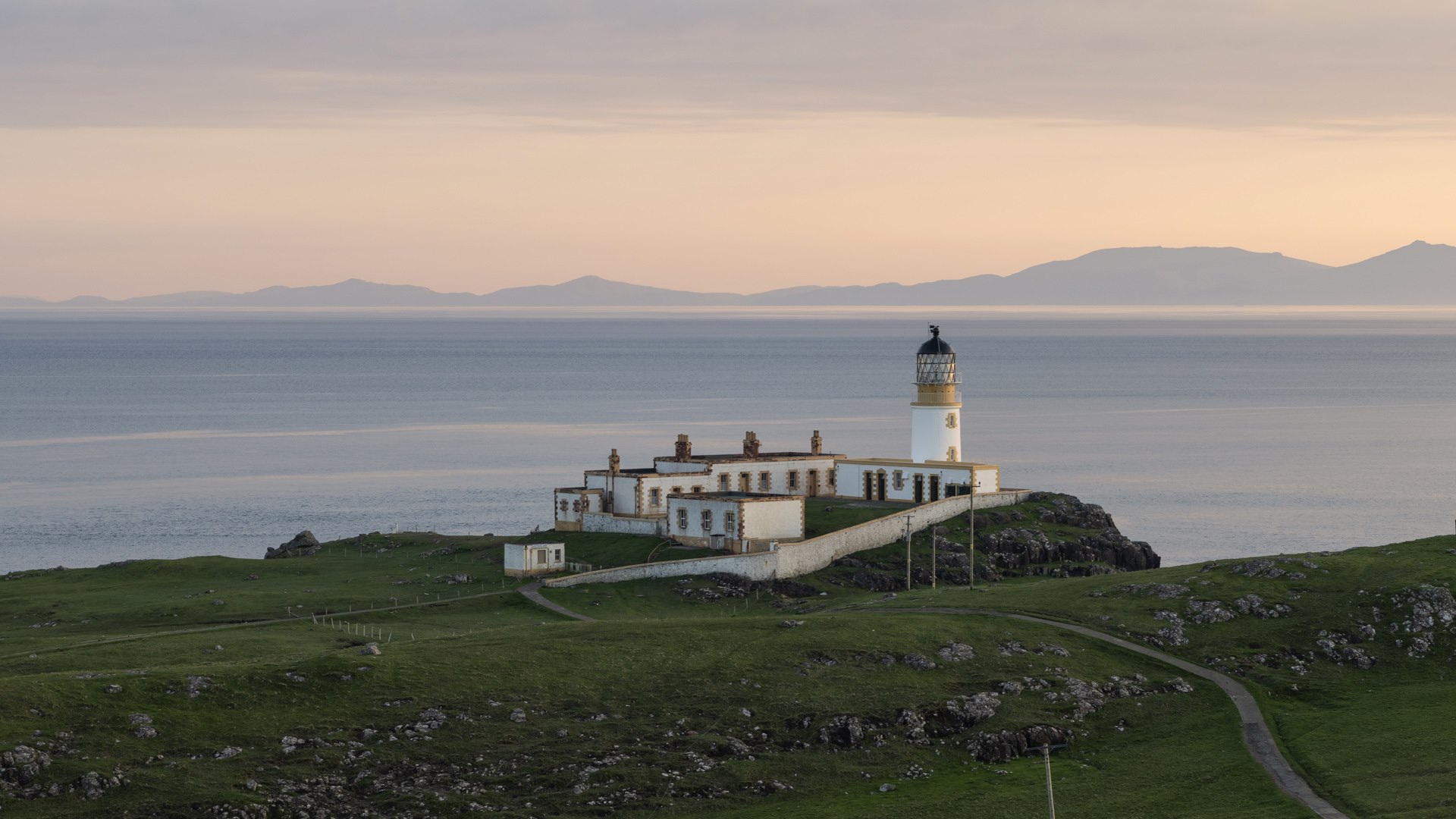
Neist Point Lighthouse on the Isle of Skye, Scotland
Neist Point Lighthouse is perched on the farthest reach of Scotland's rugged Duirinish peninsula and marks the most westerly point on the Isle of Skye. First lit in 1909, the beacon has been automated since 1990, and the outbuildings, once home to lighthouse keepers, are now privately owned. In our image we're looking across the expanse of the Little Minch, a channel of water separating the Isle of Skye from the land mass we see on the horizon—the Outer Hebrides islands. The weather in these parts is normally not as calm as we see in our picture. Fog and mist frequently obscure Neist Point, and ferocious winds and lashing rains are common. Here, the lighthouse keepers may be gone, but the light remains, and for good reason.


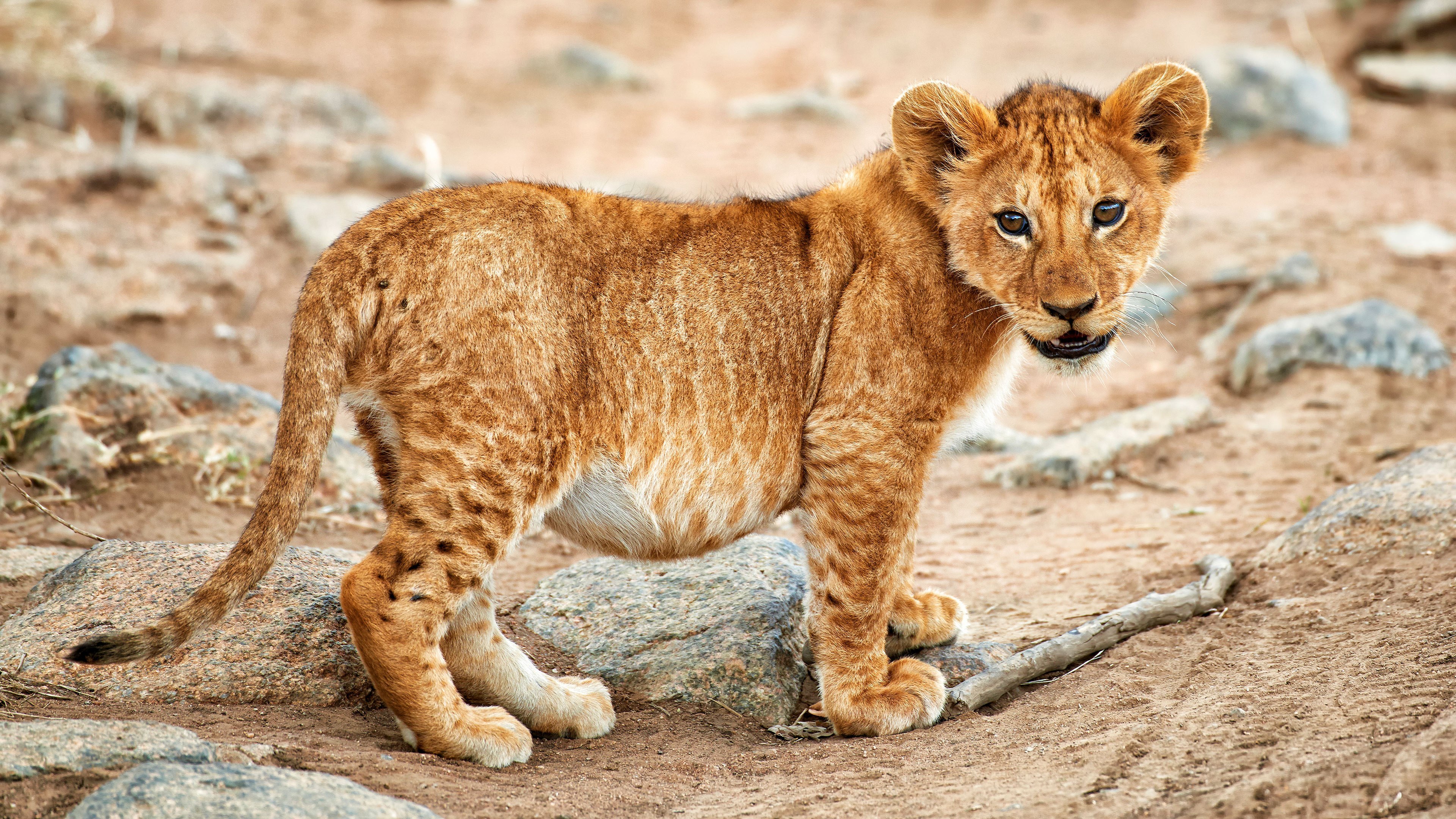
Lion cub in Serengeti National Park, Tanzania
Spot one cute, speckly lion cub like this one, and chances are there are more to be found. Lionesses usually have two to four cubs at a time, often banding together with other moms to form even larger groups called crèches. The crèche structure not only helps socialize cubs of the same age (they start at six weeks old and 'graduate' after about two years) but keeps them all in a safe place under watchful adult eyes. Think of it as day care for little lions.

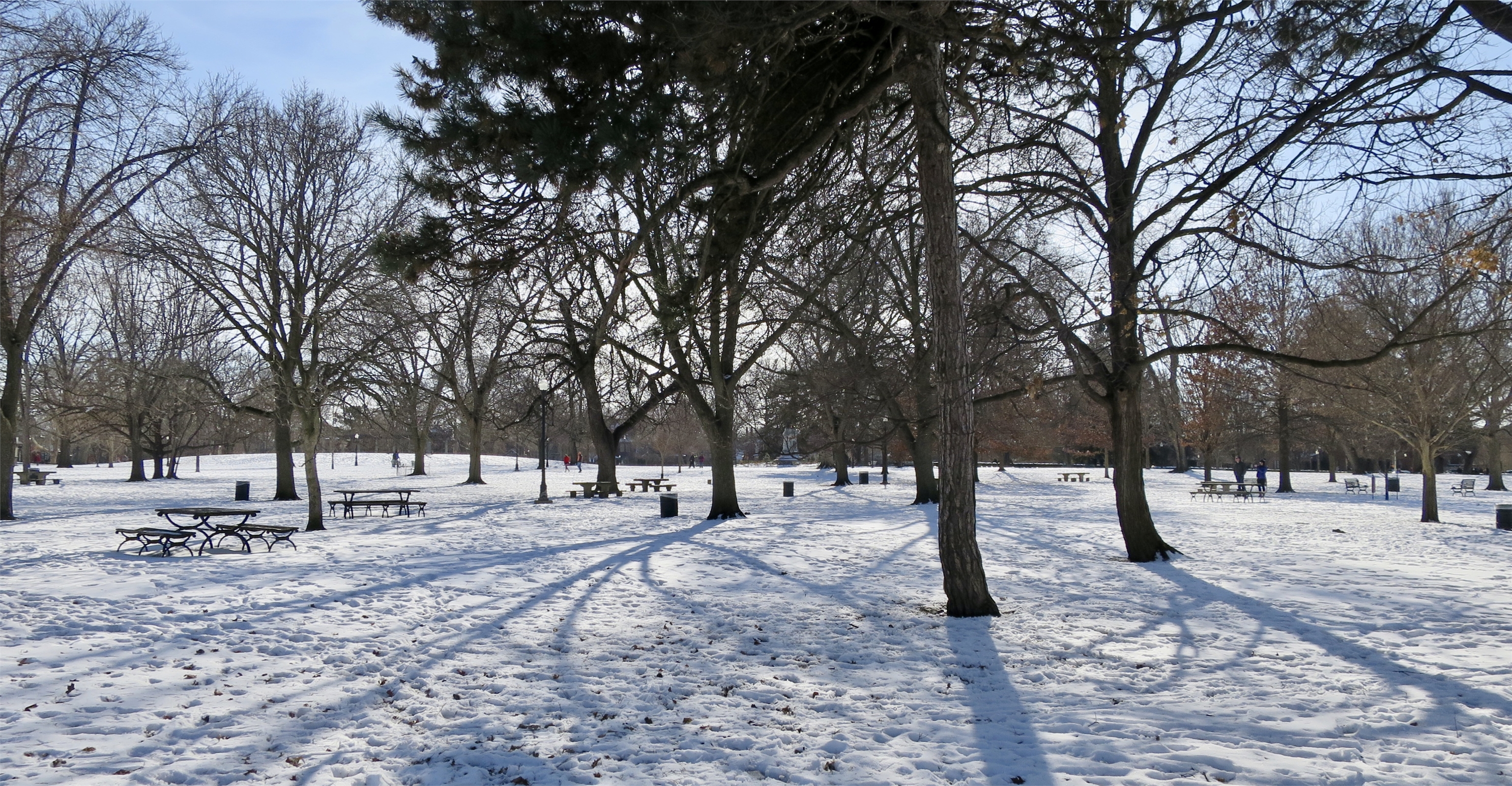
Columbus, United States
A symphony orchestra and an art museum are supported by the city. James Thurber's home has been preserved as a literary center. East of downtown lies a botanical garden, and the city has a large park system. The Columbus Zoo, located near Dublin in the northwest, is one of the most well-known zoos in the country.

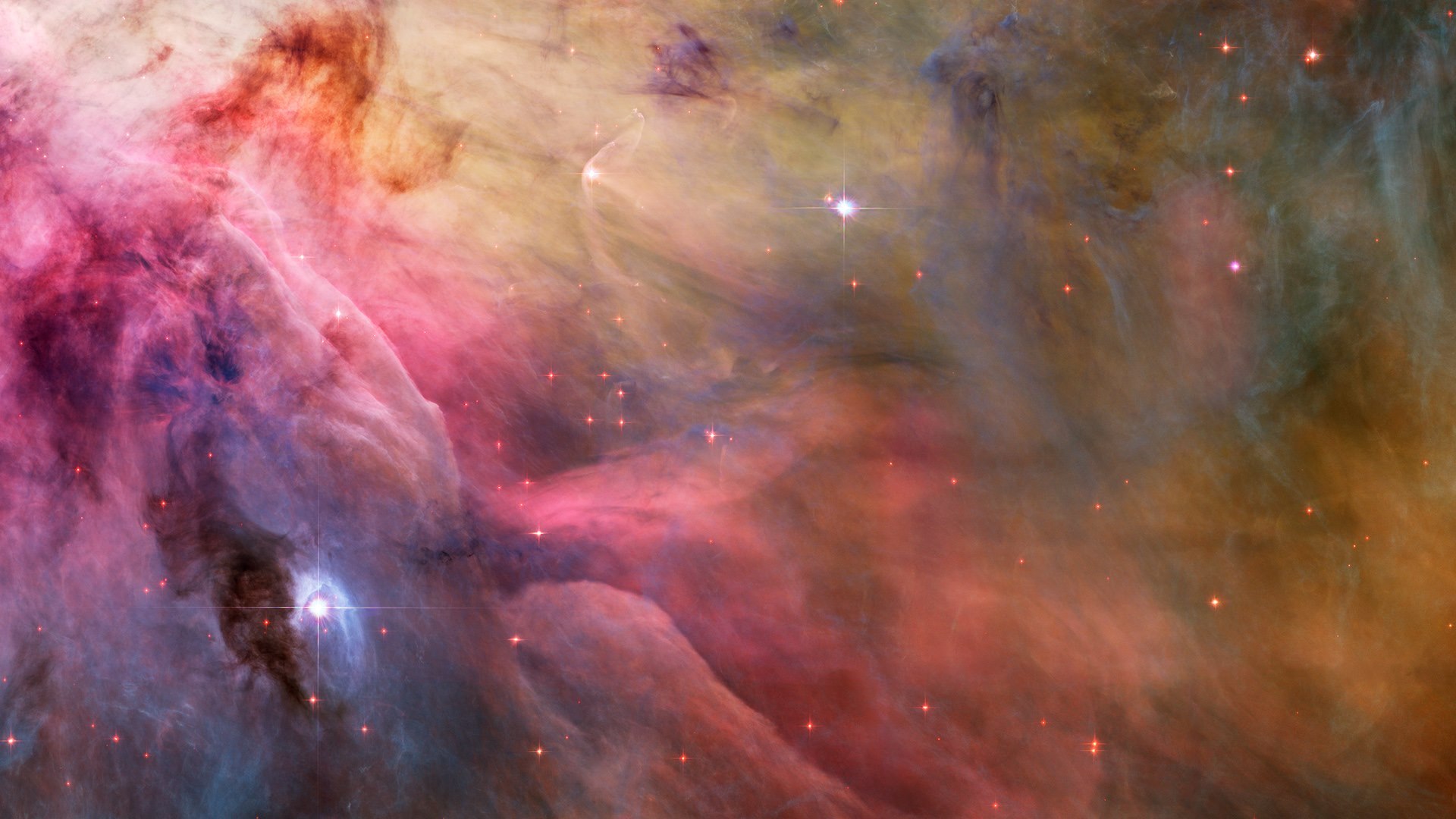
Orion Nebula
If you can get away from the light pollution of cities and highways, it’s possible to see the Orion Nebula with the naked eye. Find Orion’s Belt in the constellation, named for the mythic Greek hunter, and you can see the fuzzy reddish and blue nebula. Your glimpse won’t be quite as detailed as this image, taken by the Hubble Space Telescope while in low Earth orbit, but at least now you know what to look for. The Orion Nebula is the closest star-forming region to our planet, which is one explanation for its visibility. It's also exceptionally bright, with O-type stars—the hottest and brightest—at its core. If you want the best glimpse of this nebula and other celestial wonders, travel to a dark-sky preserve which is kept as free of light interference as possible.

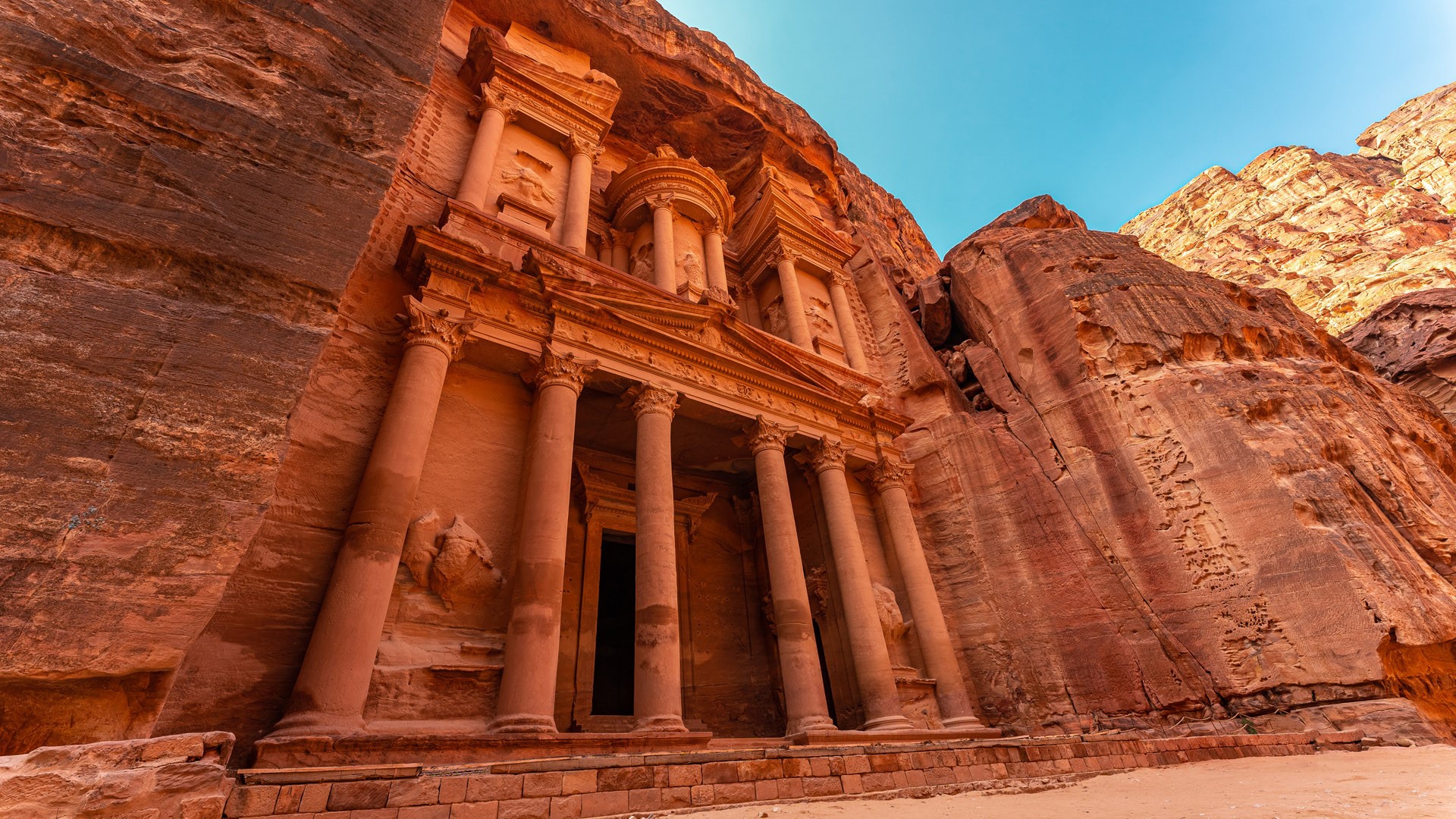
Petra, Jordan

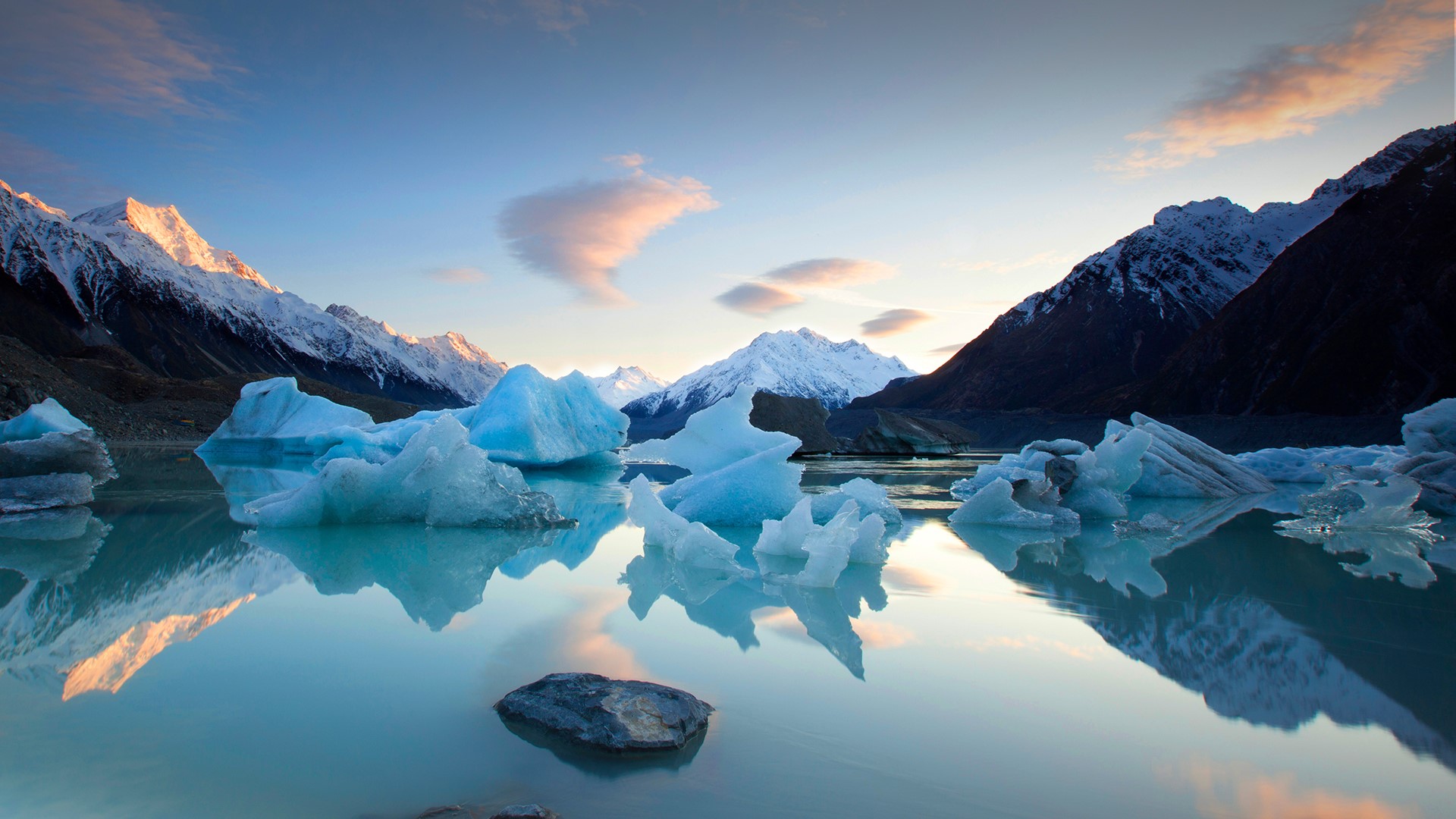
The Tasman River at Aoraki / Mount Cook, New Zealand
With all the jagged chunks of ice floating about you won’t be surprised to learn that this river’s headwaters spring from a glacier. And while some visitors come to admire the beautiful waterway, many intrepid climbers head to this part of New Zealand to take on the immense mountain looming above. Aoraki / Mount Cook is a tri-peaked massif, the country’s highest, and New Zealand’s own Edmund Hillary conquered Cook as a prelude to his ascent of Everest. In 1998 the mountain’s original Māori name, Aoraki, was restored.

Random Windows SpotLight images - page 7 / 10