Random Windows Spotlight images
page 2 / 10
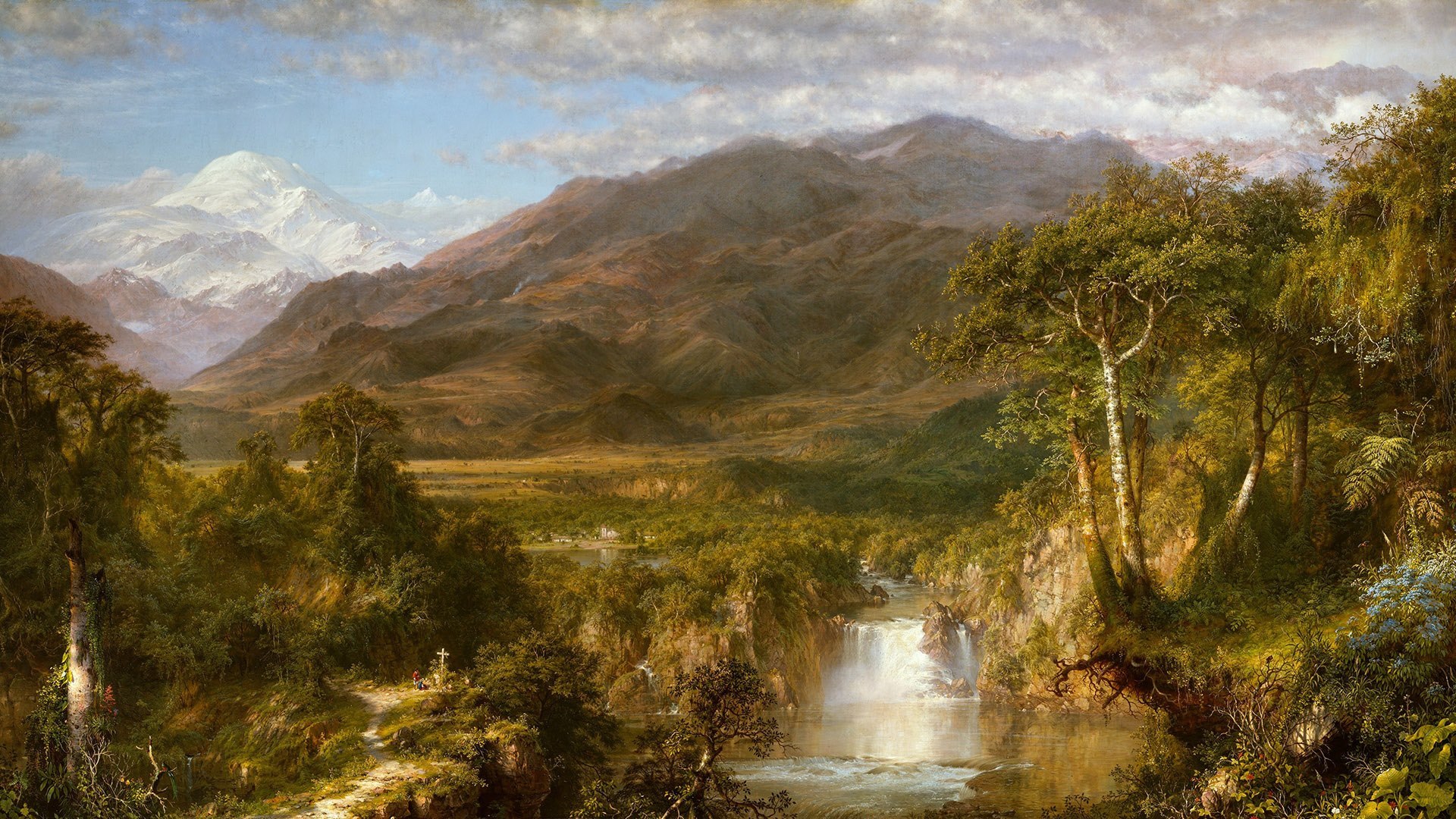
'Heart of the Andes' (1859), by Frederic Edwin Church
It's no exaggeration to say that when it was unveiled to the public, this painting caused a major sensation. Frederic Edwin Church's sprawling 5-foot-high and nearly 10-foot-wide canvas is so detailed, grand, and immersive that it not only drew long viewing lines, but reportedly caused dizziness and fainting in some spectators. The hype around this composite illustration of vistas seen in Church's travels around South America was well-deserved. The work shows the hand of a master landscape artist at his zenith and is widely considered Church's most famous painting. After several years of public exhibition, it was sold for $10,000, an enormous sum at the time and the highest price paid for any work by a living American artist. 'Heart of the Andes' by Frederic Edwin Church is in the collection of the Metropolitan Museum of Art in New York City.


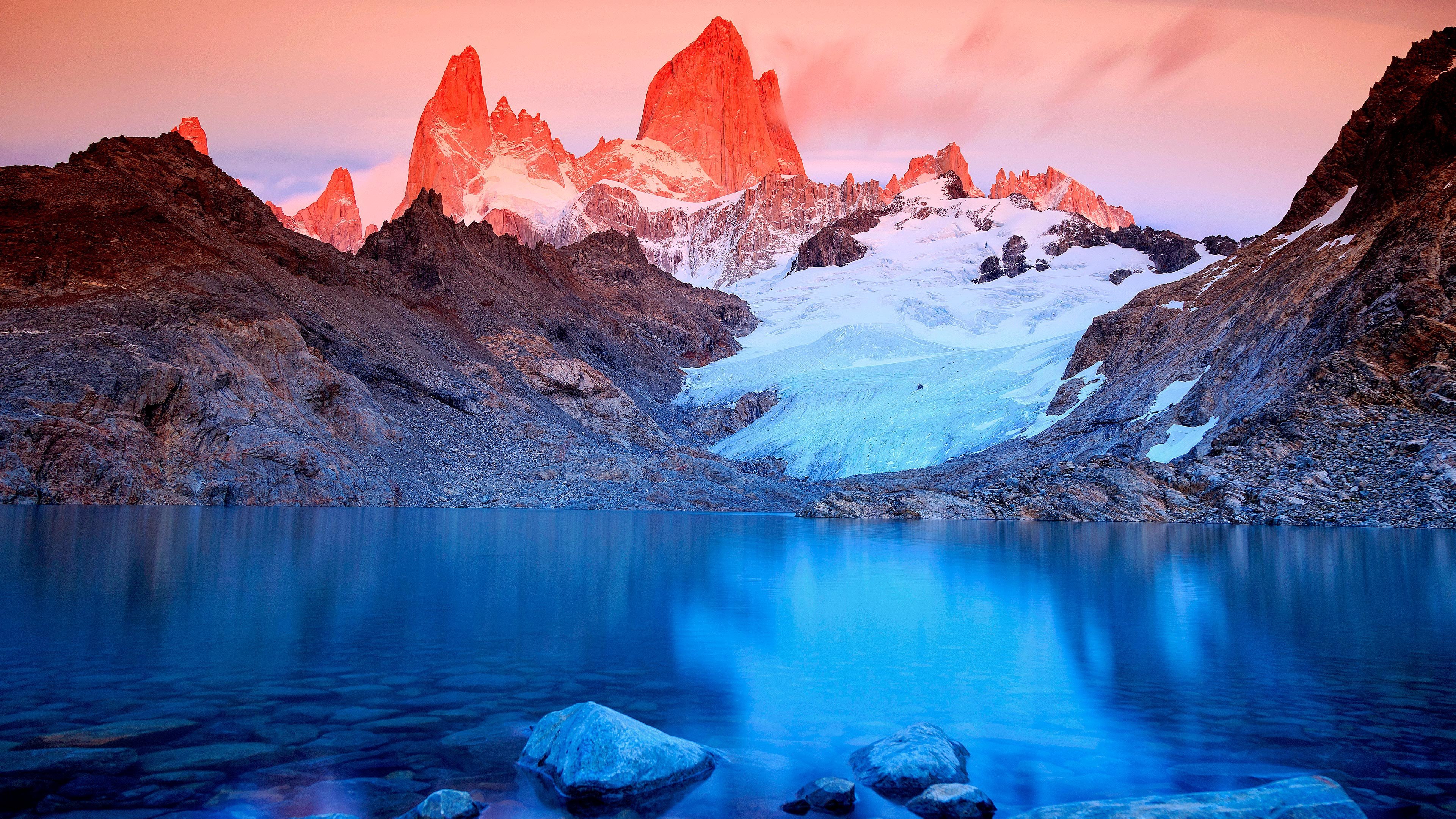
Laguna de los Tres, Argentina
Hot pink and deep blue complete a complex palette for one of Patagonia's foremost peaks. As a sizzling sunrise lights up Monte Fitz Roy, Laguna de los Tres appears like a frosted mirror, awaiting the sun's rays. Looking west toward this Argentine national icon, we'll see its multiple summits reflected perfectly on the frigid water once midday light washes the landscape.

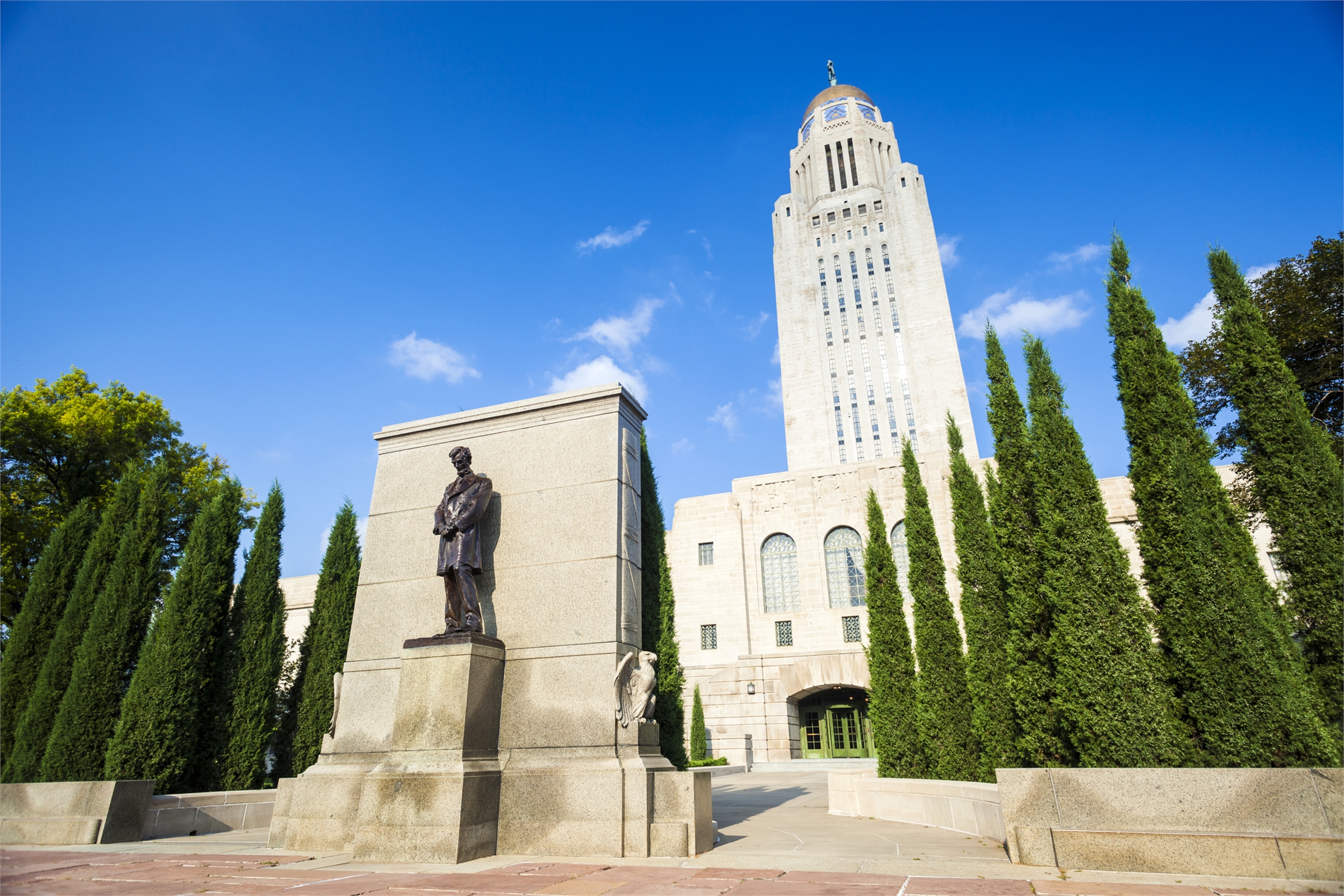
Lincoln, United States
Nebraska is more than cornfields and sprawling prairies. The state's capital, Lincoln, offers vibrant art and nightlife scenes, partially thanks to the large downtown campus of the University of Nebraska. The Haymarket District near downtown's western edge was an open-air cattle and hay market in the late 1800s. Today, it's a hub for funky galleries, specialty shops, and trendy cafes. Friday art walks and the Saturday farmers market are popular activities among locals.For outdoor enthusiasts, Lincoln also boasts more than 130 miles of trails. The MoPac—a converted, 27-mile rail track—winds from the university to Omaha.Lincoln is also home to the 25,000 students that attend the University of Nebraska. The main campus is in the middle of town, and the school's Memorial Stadium attracts large crowds of football fans adorned in red Cornhuskers gear during the fall.

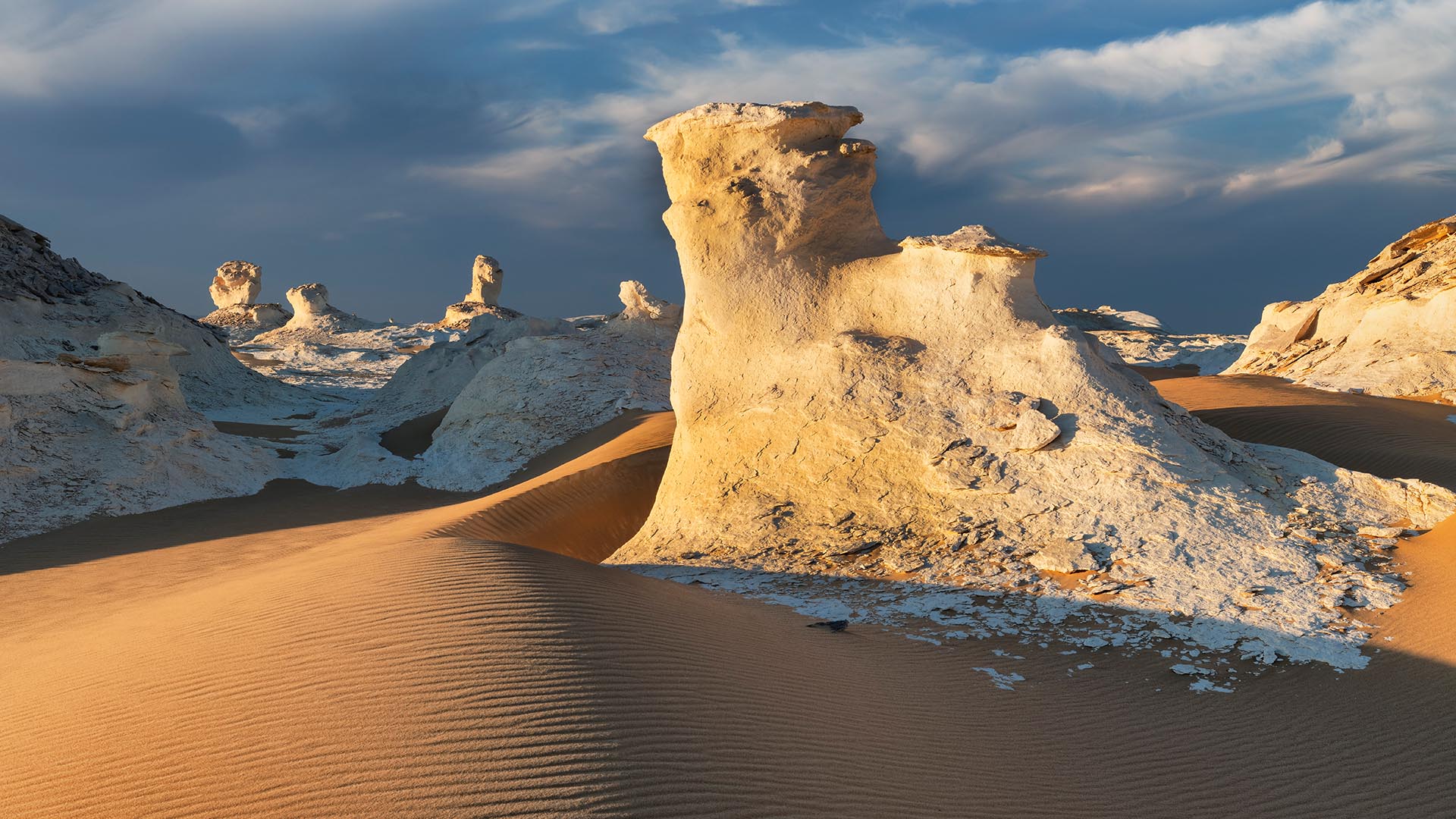
Rock formations in White Desert National Park, Egypt
Here in the Western Sahara's sparsely populated Farafra depression, the powerful punch of wind and sand sculpts elaborately shaped pinnacles and arches. In 2002, the Egyptian government protected this extraordinary landscape by designating it a national park. Appearing like snow drifts in the desert—or the biggest meringues you've ever seen—the formations here are called ventifacts: Molded by wind-driven sand, ventifacts transform parts of the White Desert into a giant, surreal sculpture garden. Some of these chalk rock formations rise high above the orange sands and appear like huge mushrooms and other fanciful shapes.

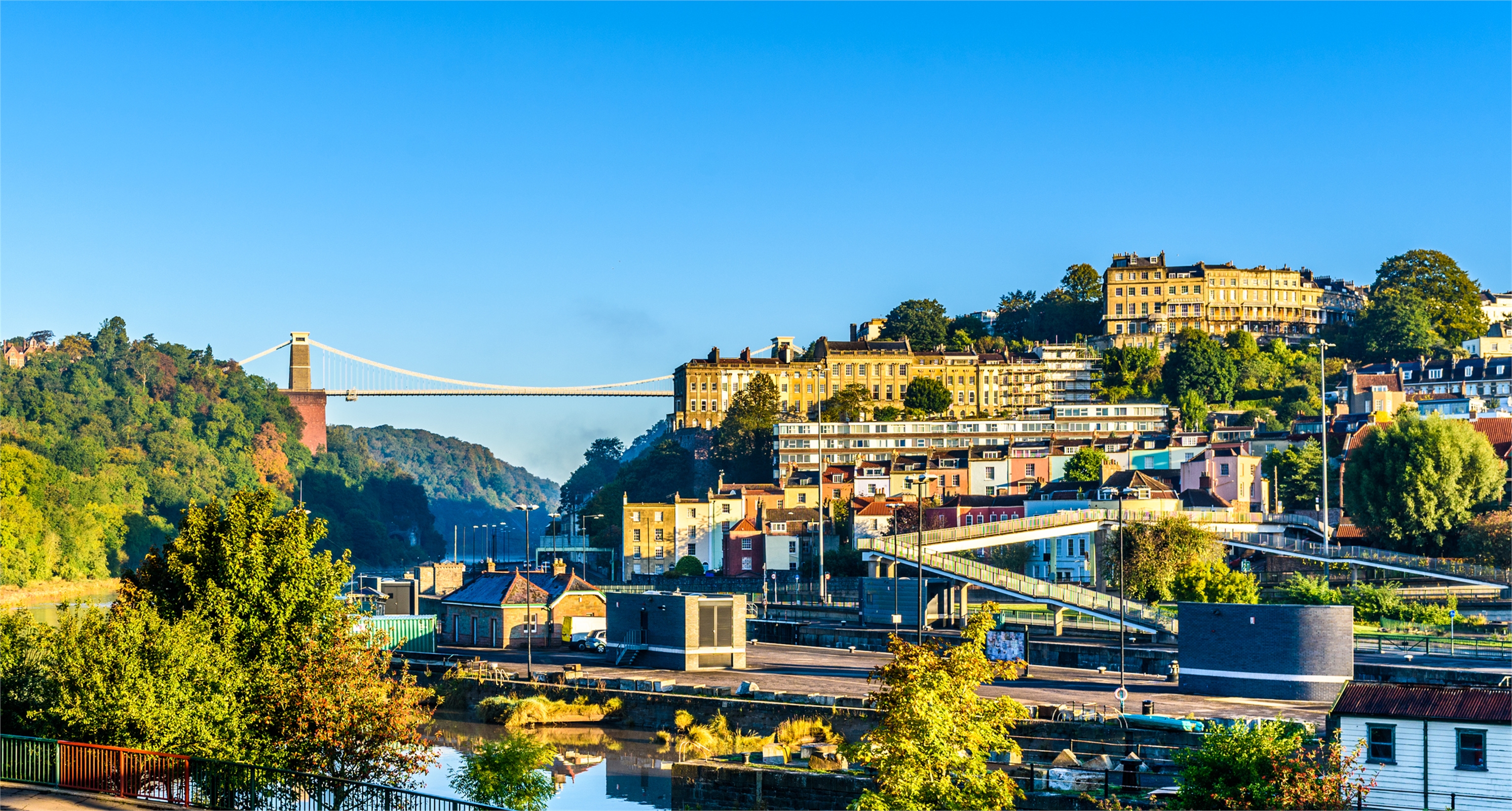
Bristol, United Kingdom
In South West England lies Bristol, a city and county with a population of 449,300 in 2016. The district has the tenth largest population in England, while the Bristol city area has the twelfth highest in the United Kingdom. The city is bounded by North Somerset and South Gloucestershire, with the cities of Bath and Gloucester to the south-east and north-east, respectively.

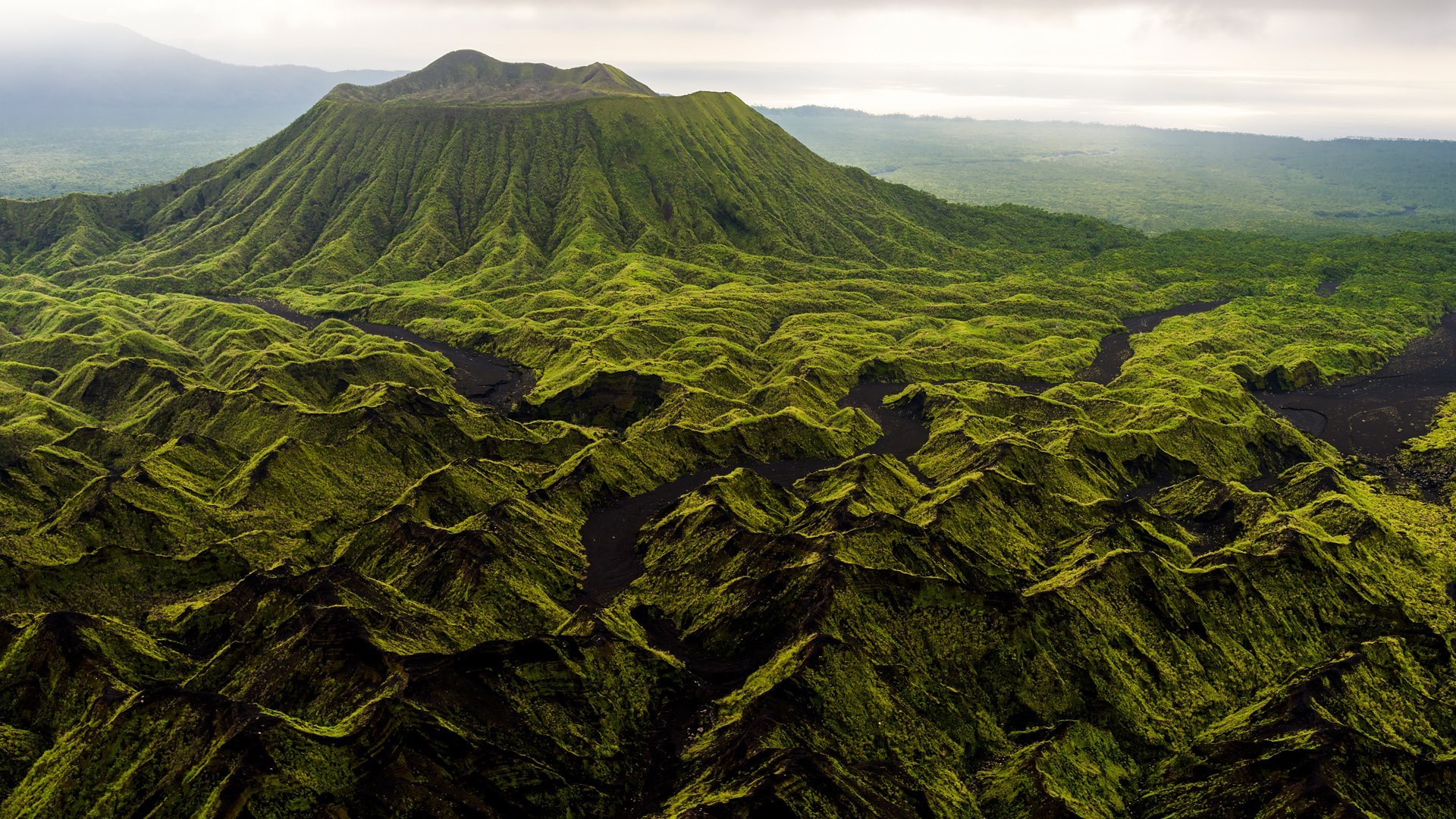
Ambrym island in the Vanuatu archipelago
Ambrym island is dominated by its massive caldera and the two active volcanic vents within, Benbow and Marum. Both contain huge lava lakes boiling away at their summits, and this primaeval scene attracts volcanologists and adventure tourists alike to the far-flung emerald isle. Ambrym is one of roughly 80 islands making up Vanuatu, a remote archipelago spread across nearly 5,000 square miles of ocean between northern Australia and Fiji. Ambrym's black sand beaches, rainforest-clad hills, ancient indigenous culture, and lack of major tourist developments set it apart from other travel 'hotspots' in the South Pacific.

Random Windows SpotLight images - page 2 / 10