Bing daily wallpapers
page 3 / 20
| 2026‑06‑15 ‑ | Germany |
|---|---|
| 2026‑06‑14 ‑ | International / Brazil / Canada ‑ English / Canada ‑ French / China / France / India / Italy / Spain |
| de | • | Stockente |
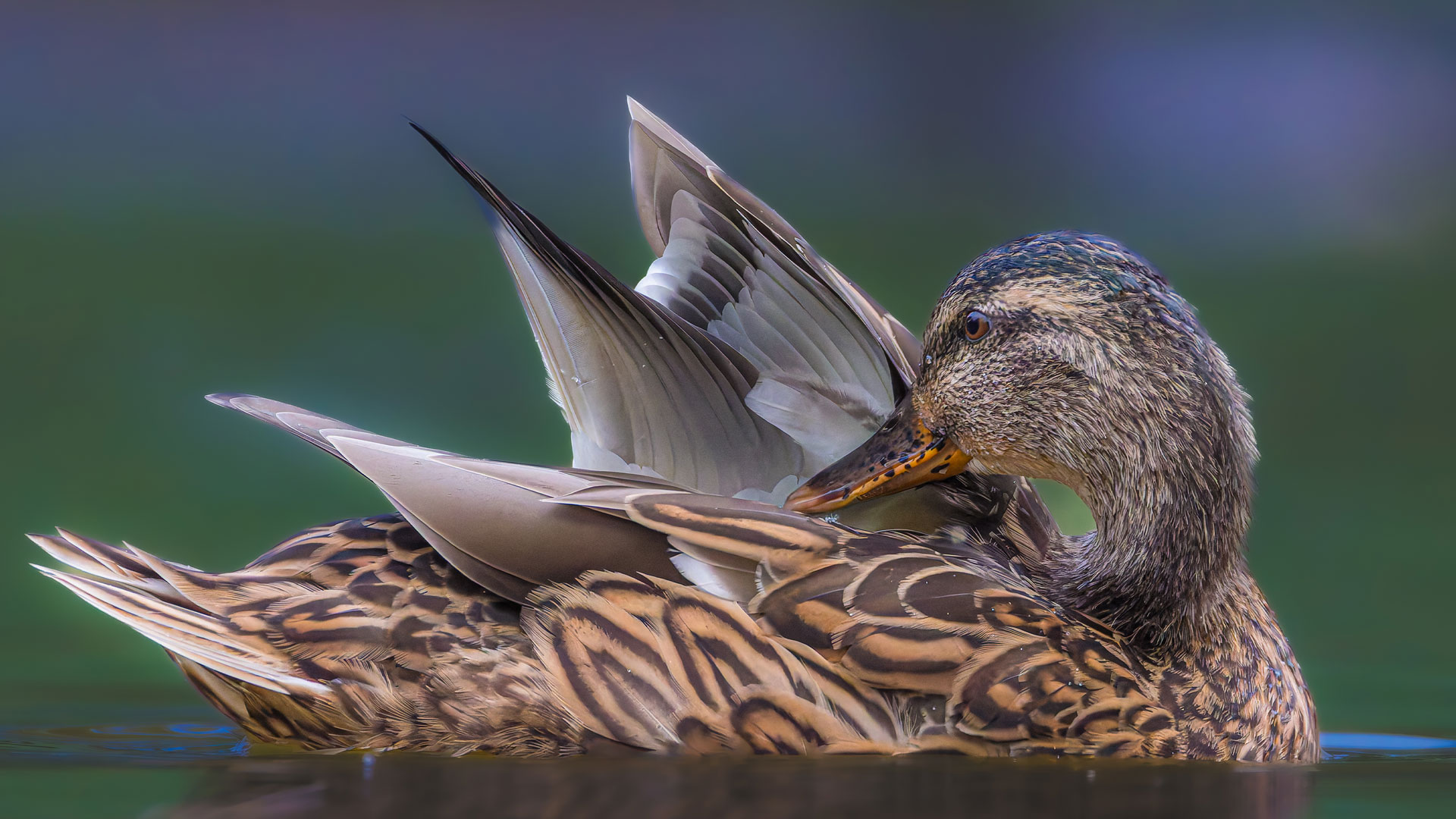
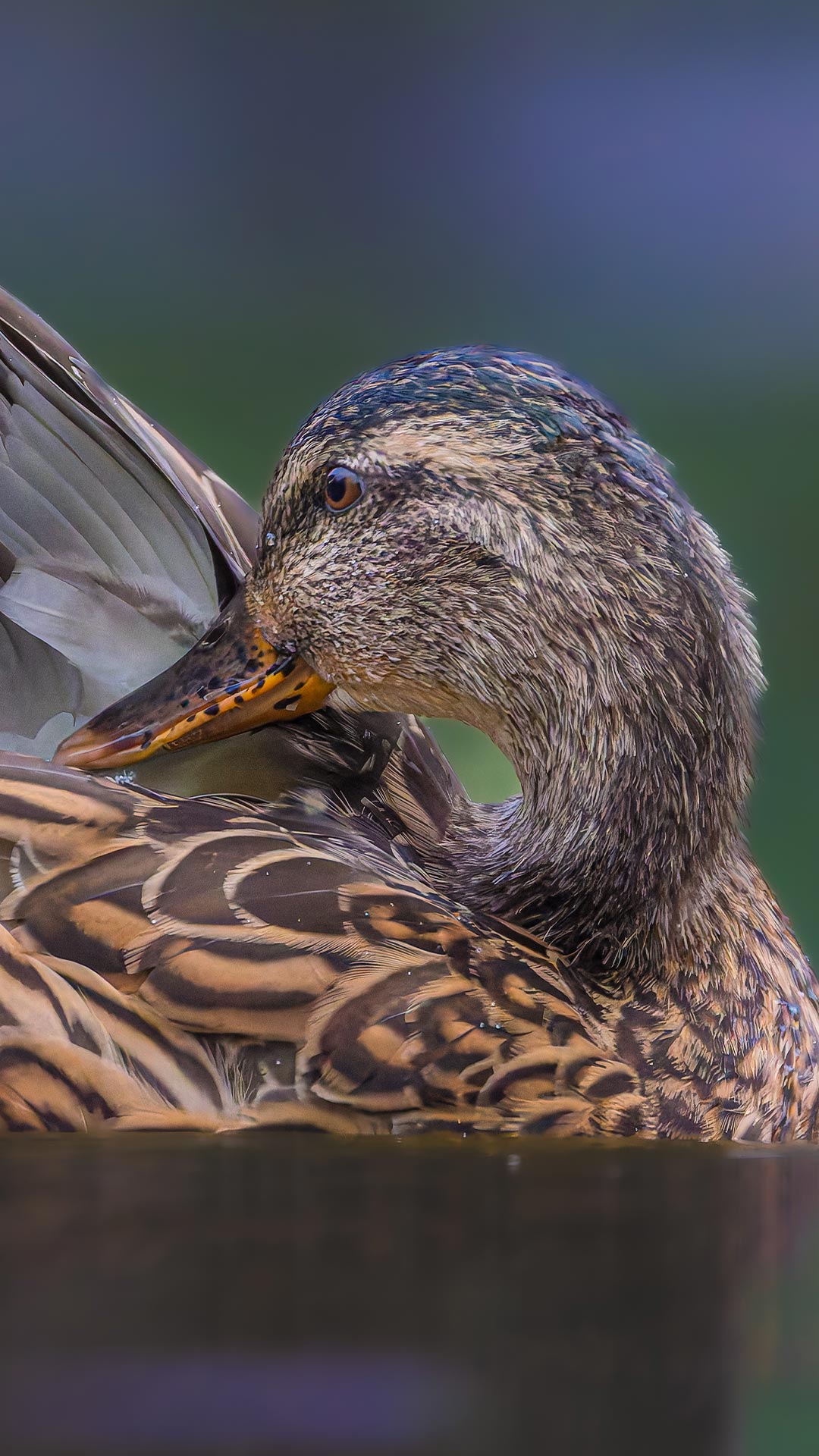
| en | • | Mallard duck |
| es | • | Ánade real |
| fr | • | Canard colvert |
| it | • | Germano reale |
| pt | • | Pato-real |
| zh | • | 绿头鸭 |
| (© Philippe Paternolli/Getty Images) |
Mallard duck
At daybreak, the mallard glides over the still water like a brush across a canvas. Its shimmering plumage—emerald-green head in the male, speckled brown coat in the female—catches the first light. It can be seen from the marshes of the Camargue to the urban canals of Amsterdam, a faithful companion of Europe's aquatic landscapes.
An opportunist, it feeds mainly on seeds, aquatic plants and small invertebrates, sometimes dipping its head underwater with a graceful tilt. When spring arrives, the female chooses a discreet shelter, often away from the water, to brood her eggs. The ducklings, clad in golden down, gradually follow their mother, who guides them in a tender procession.
Resilient and adaptable, the mallard reminds us of both the fragility and the richness of our wetlands—those havens where life, even in the heart of the city, still softly murmurs.










| 2026‑06‑14 ‑ | United States |
|---|
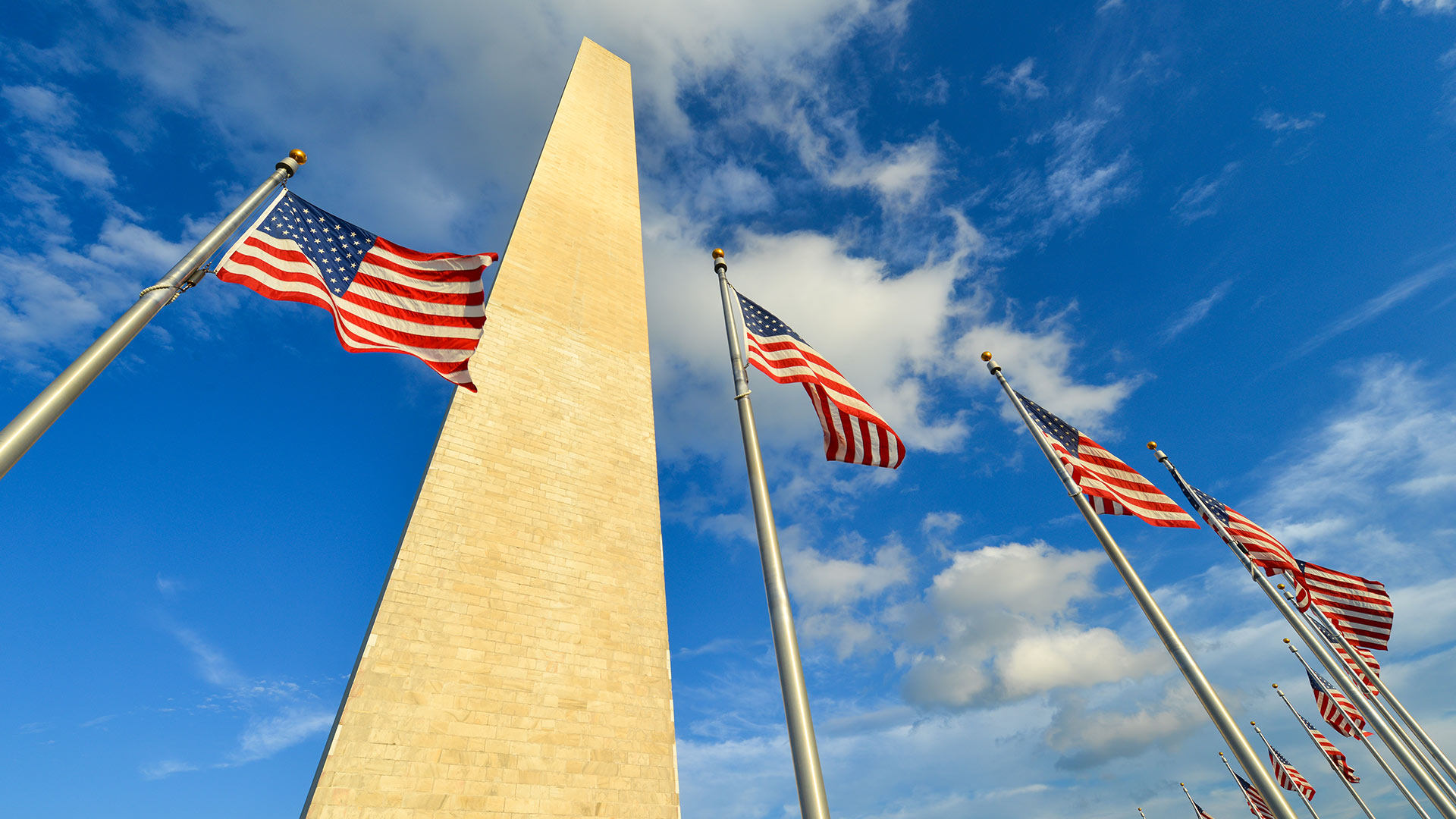
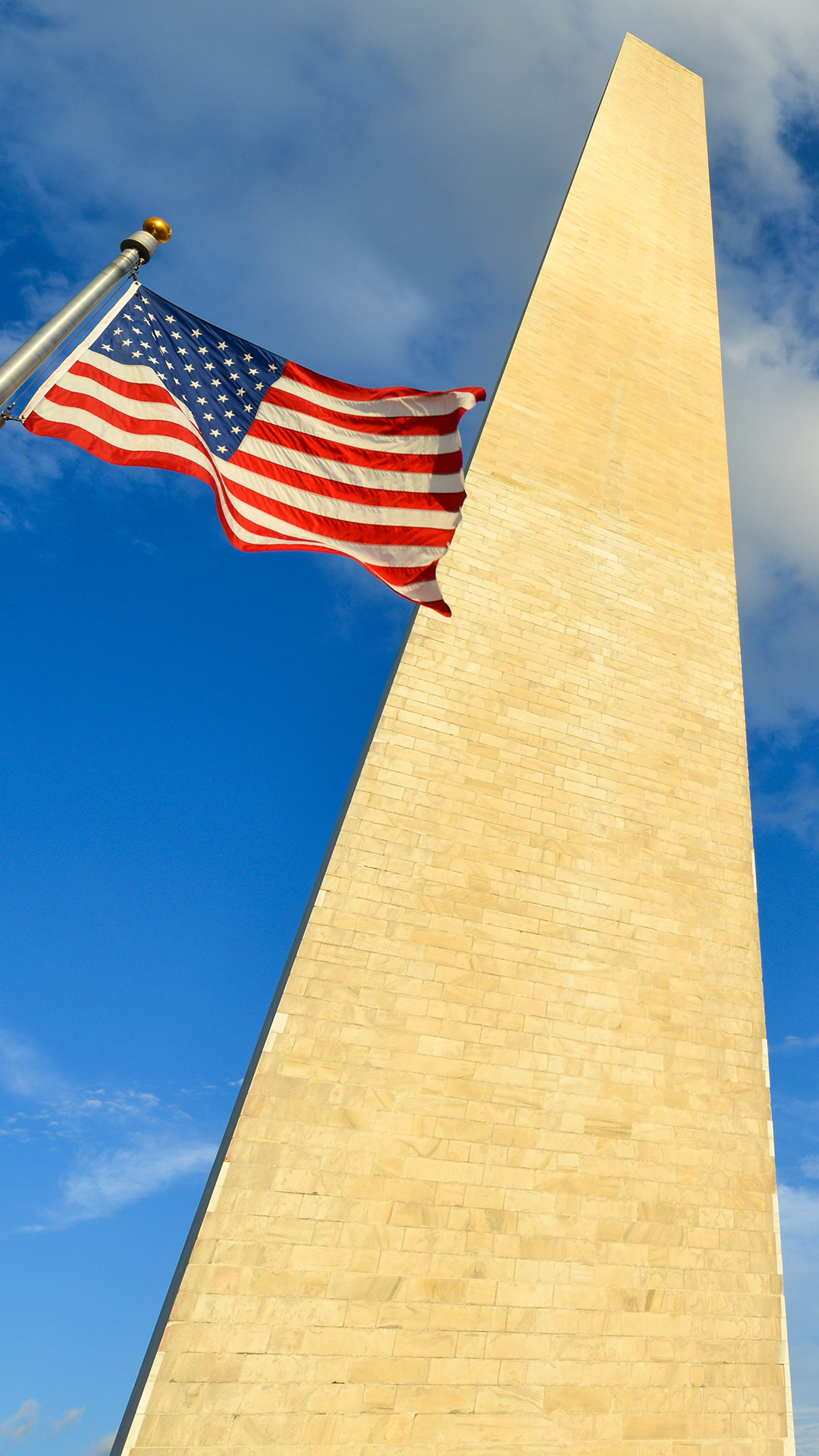
| en | • | US flags surrounding the Washington Monument, Washington, DC |
| (© Orhan Cam/Shutterstock) |
Flag Day
On June 14, the stars align—and not just figuratively. They line up on a piece of fabric that has seen battles, protests, and backyard barbecues. Flag Day marks the 1777 decision by the Second Continental Congress to adopt the national flag, but the story goes beyond stitches and stripes.
Enter Wisconsin teacher Bernard J. Cigrand, the 'father of Flag Day,' who began celebrating it with students in 1885. The idea endured, and in 2004 Congress declared his town, Waubeka, the holiday's official birthplace. Design debates still wave on. While Betsy Ross gets the spotlight, many credit Continental Congress delegate Francis Hopkinson with the pattern, which has since evolved into today's 50-star layout.
Six flags even rest on the Moon, left there by Apollo missions. Back on Earth, worn flags are respectfully burned to honor the flag's symbolism and the sacrifices it represents, as guided by the US Flag Code. Red stands for valor, white for purity, blue for vigilance and justice. Today is not a federal holiday, yet it raises the bar—and the banner.

| 2026‑06‑14 ‑ | Japan / United Kingdom |
|---|---|
| 2026‑06‑13 ‑ | International / Canada ‑ English / Canada ‑ French / China / France / Germany / India / Italy / United States |
| de | • | Sonnenuntergang im Badlands-Nationalpark, South Dakota, USA |
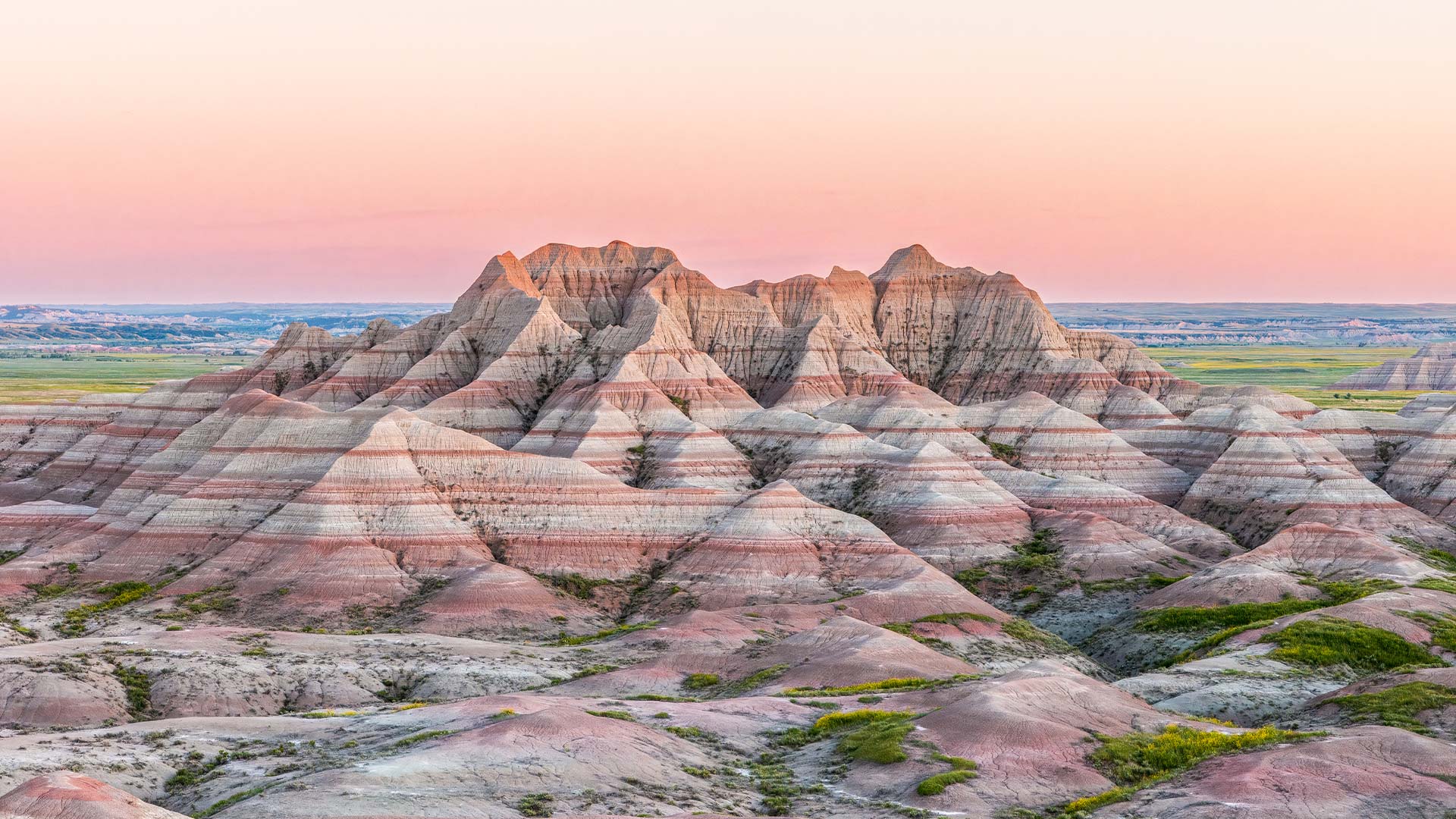
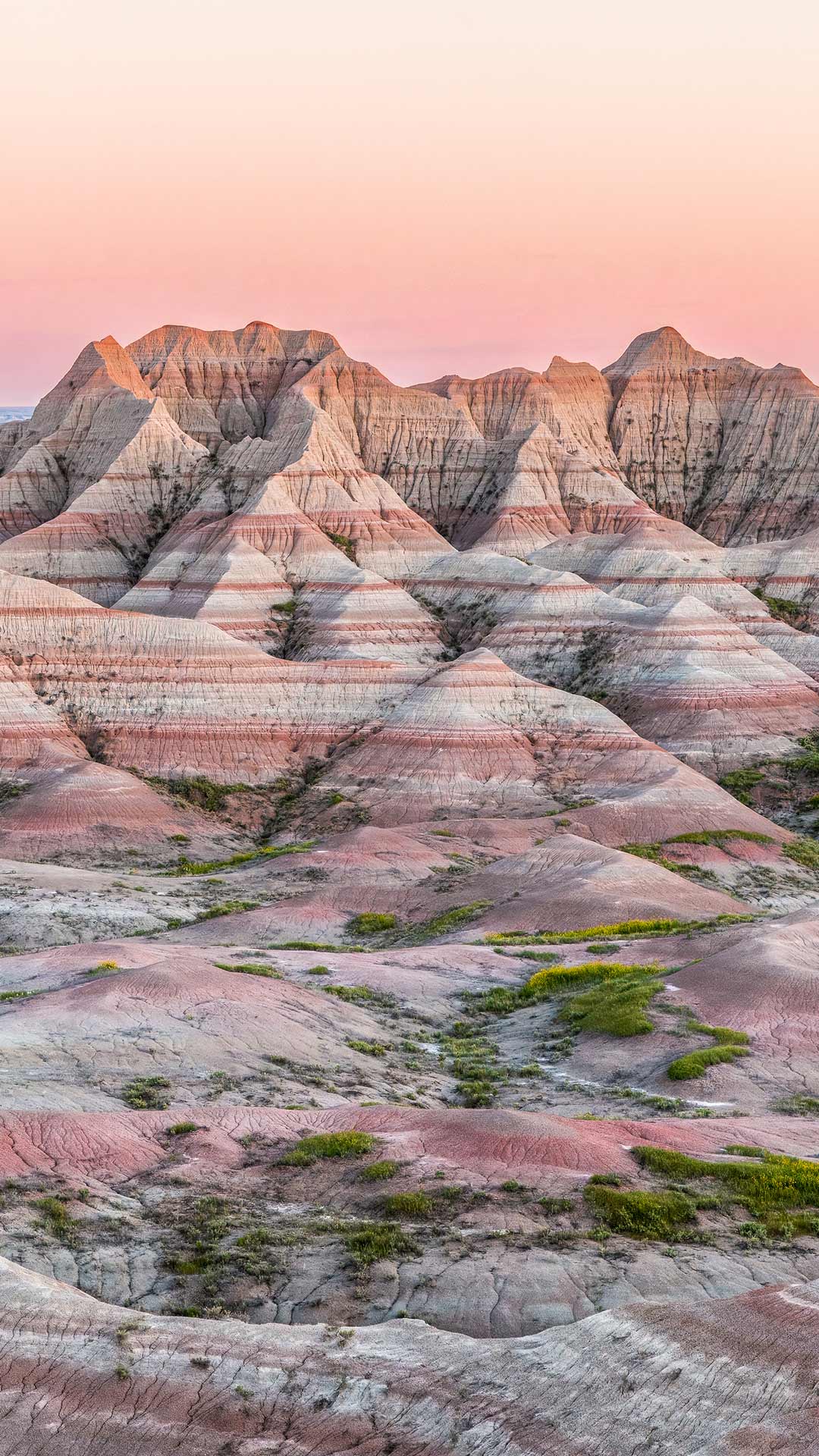
| en | • | Sunset in Badlands National Park, South Dakota, United States |
| • | Sunset in Badlands National Park, South Dakota, USA | |
| fr | • | Coucher de soleil au parc national des Badlands, Dakota du Sud, États-Unis |
| it | • | Parco nazionale delle Badlands, South Dakota, USA |
| ja | • | バッドランズ国立公園, 米国 サウスダコタ州 |
| zh | • | 落日,恶地国家公园,南达科他州,美国 |
| (© Troy Harrison/Getty Images) |
Sunset in Badlands National Park, South Dakota, United States
Layered ridges stretch across Badlands National Park in South Dakota. Their bands of pink, grey and gold shift with the light as eroded peaks and valleys come into view. Wind and water continue to shape this terrain, steadily wearing away soft sedimentary rock and exposing millions of years of Earth's history in layers formed by ancient rivers, volcanic ash and periods when shallow seas covered the region.
Beneath this rugged surface lies one of the world's richest fossil beds, preserving the remains of early mammals such as ancient horses and relatives of modern rhinoceroses that once roamed the region. The Badlands are only a window into the past. Today, bison graze the open prairie, bighorn sheep move along steep ridges and prairie dogs gather in active colonies across the grasslands.
Scenic roads and overlooks trace the contours of the land, offering sweeping views. Even now, layers of the past continue to emerge as the landscape slowly transforms.



| 2026‑06‑14 ‑ | Germany |
|---|
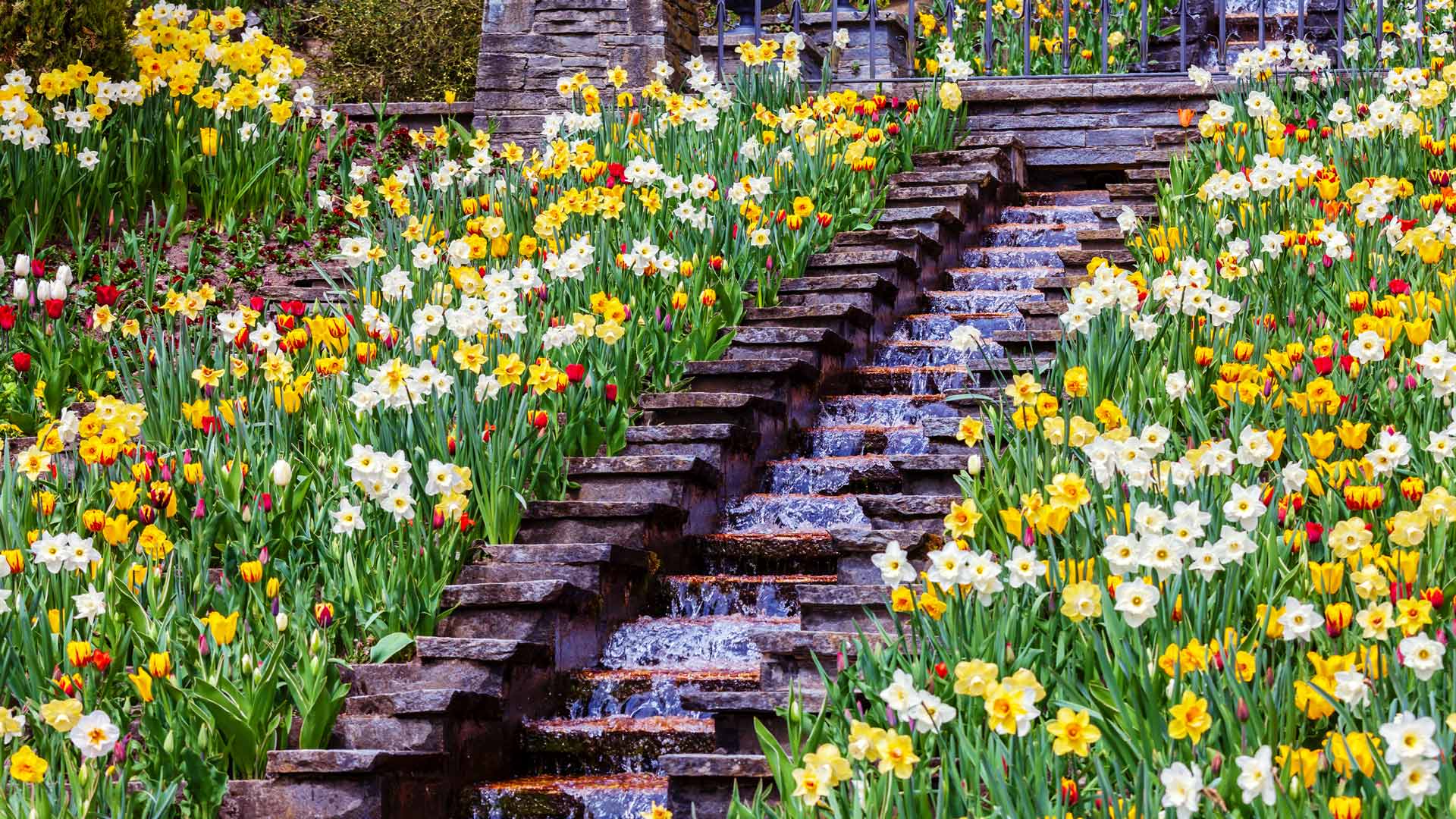
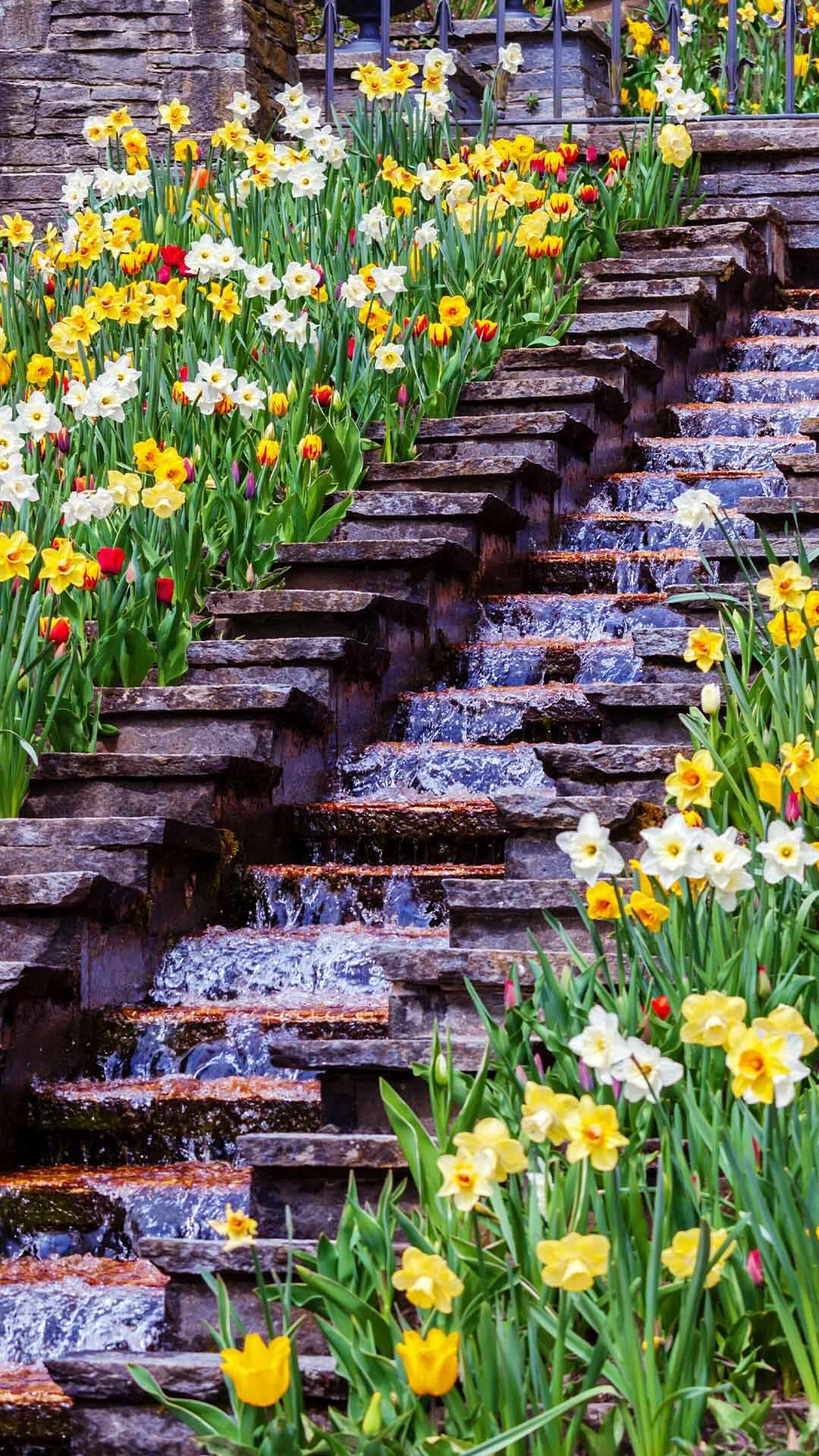
| de | • | Blumengarten auf der Insel Mainau im Bodensee, Baden-Württemberg |
| (© toriru/Shutterstock) |
Day of the Garden
Anyone who walks through a well-designed garden immediately senses that there is more to it than just beautiful flowers. Garden Day, which is celebrated on the second Sunday in June, draws attention to this quiet art and pays tribute to places where design, care and nature intertwine. The island of Mainau in Lake Constance is a particularly impressive example of this. On the so-called flower island, colours, shapes and scents alternate to the rhythm of the seasons. Spring bloomers transition seamlessly into summer arrangements, with each planting carefully planned and continuously maintained. Paths and beds provide structure and orientation without disturbing or overshaping the lightness of the place.
A highlight is the Italian Flower Water Staircase, where gently flowing water accompanies the steps and harmoniously connects the plants. If you take a closer look, you will discover more than nature here: a finely balanced interplay of planning, craftsmanship and the quiet art of horticulture.
| 2026‑06‑13 ‑ | Brazil |
|---|---|
| 2026‑06‑12 ‑ | International / Canada ‑ English / Canada ‑ French / China / France / Germany / India / Italy / Japan / Spain / United Kingdom / United States |
| de | • | Europäischer Bienenfresser im Naturpark Sierra de Grazalema, Cádiz, Spanien |
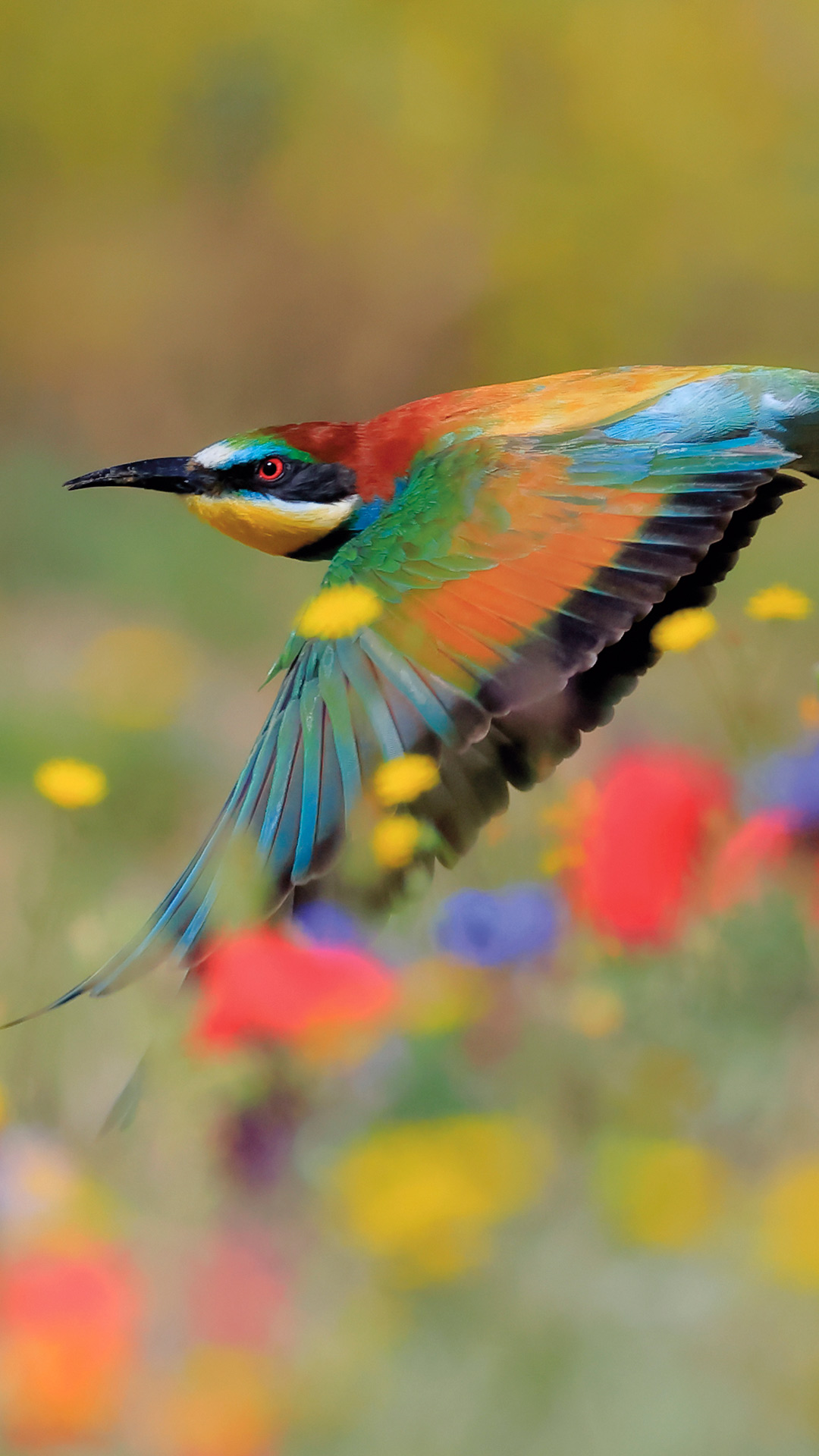
| en | • | European bee-eater in Sierra de Grazalema Natural Park, Cádiz, Spain |
| • | European bee-eater, Sierra de Grazalema Natural Park, Cádiz, Spain | |
| es | • | Abejaruco europeo en el parque natural de la Sierra de Grazalema, Cádiz |
| fr | • | Guêpier d’Europe, Parc naturel de la Sierra de Grazalema, Cadix, Espagne |
| it | • | Gruccione comune, parco naturale della Sierra de Grazalema, Spagna |
| ja | • | ヨーロッパハチクイ, スペイン |
| pt | • | Abelharuco no Parque Natural Sierra de Grazalema, Cádiz, Espanha |
| zh | • | 黄喉蜂虎,格拉萨莱马山自然公园,加的斯,西班牙 |
| (© Andres M. Dominguez/Nature Picture Library) |
European bee-eater, Sierra de Grazalema Natural Park, Cádiz, Spain
A streak of colour glides past a blur of wildflowers as a European bee-eater cuts through the air. Turquoise, gold and chestnut shimmer across its wings as it hunts in flight, snatching insects mid-air with swift turns. Bees and wasps are among its favoured prey, and the bird often removes the stinger before feeding—a behaviour that reduces the risk of injury.
European bee-eaters breed across southern Europe, the Mediterranean region and parts of western Asia during the warmer months. After the breeding season, most populations migrate south, with many spending the winter in sub-Saharan Africa, while some eastern groups follow routes to northeastern Africa. Pictured here in Sierra de Grazalema Natural Park in southern Spain, a mountainous area known for high rainfall and rich biodiversity, bee-eaters nest in groups, excavating tunnels in sandy banks where they raise their young in colonies. Away from the nest, they often gather briefly on perches before taking flight in coordinated bursts of colour.

| 2026‑06‑13 ‑ | United Kingdom |
|---|
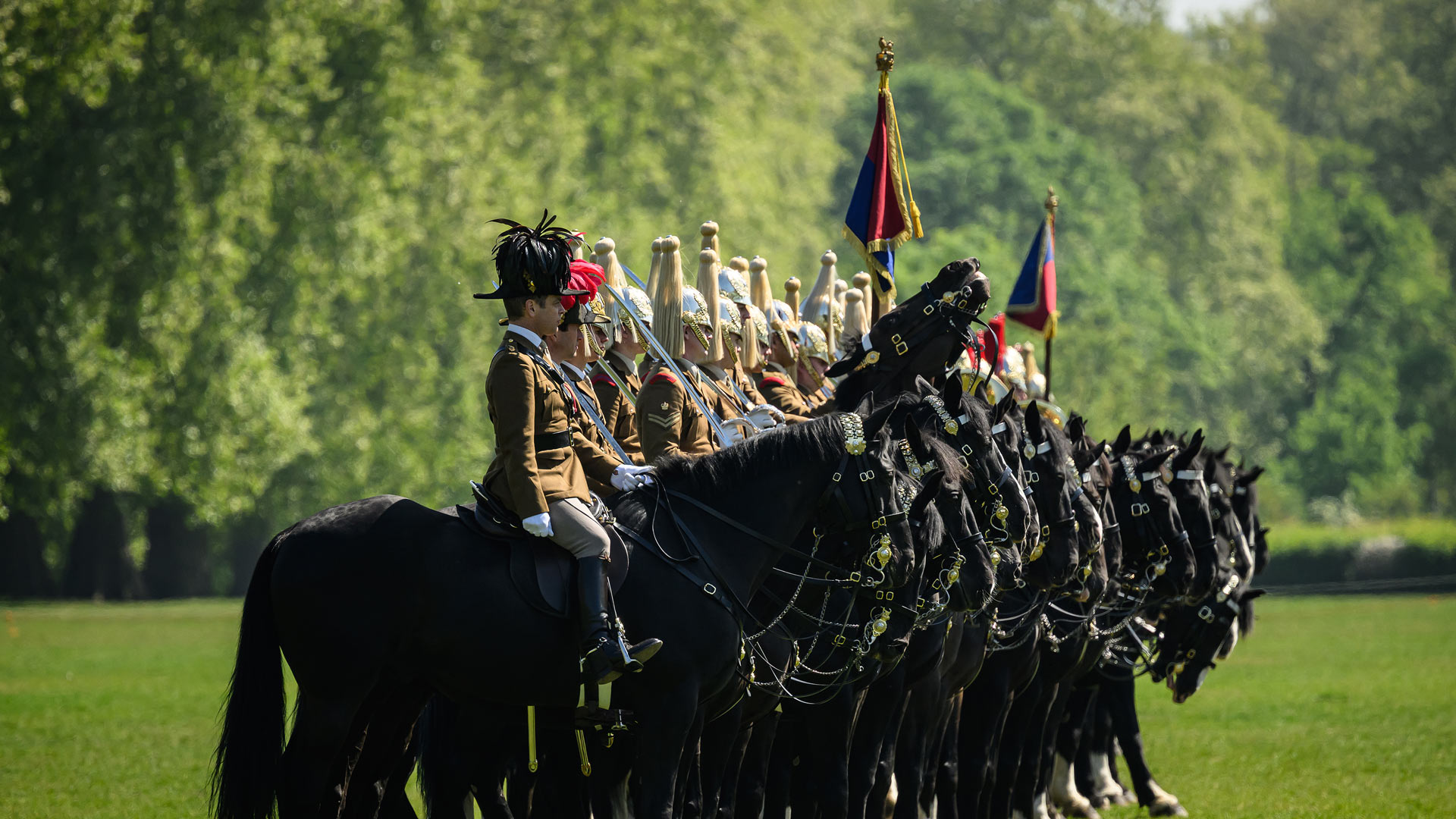
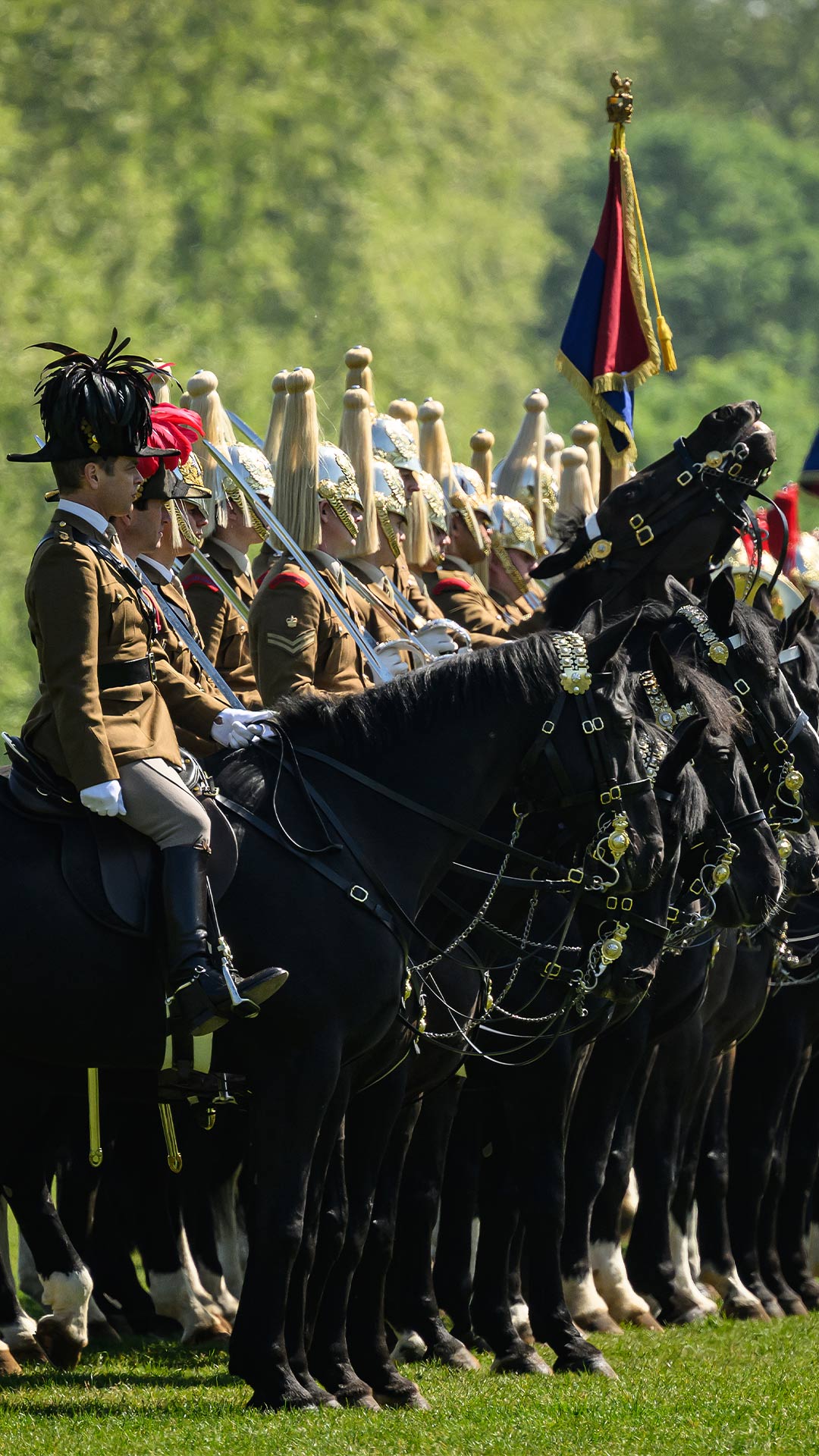
| en | • | Members of the Household Cavalry Mounted Regiment at Hyde Park, London |
| (© Leon Neal/Staff/Getty Images) |
Trooping the Colour
Every June, London swaps its traffic noise for drumbeats, marching soldiers and horses trotting with clockwork precision. Trooping the Colour is the royal birthday parade where scarlet uniforms steal the spotlight and every polished boot seems to shine on cue.
The tradition began in the 17th century when regimental flags, called 'colours,' were carried or 'trooped' before soldiers so they could recognise them in battle. Today, it honours the British monarch's official birthday with a military display packed with history and pageantry. Held on Horse Guards Parade, the event features more than 1,400 soldiers, military bands and hundreds of horses moving in near-perfect sync. The monarch travels from Buckingham Palace in a grand procession while crowds gather to watch the ceremony unfold.
The celebration ends with the Royal Family appearing on the Buckingham Palace balcony for the Royal Air Force flypast. It is Britain at full parade mode: tradition, teamwork and plenty of pomp and circumstance.