Bing daily wallpapers
page 2 / 20
| 2026‑06‑19 ‑ | China |
|---|
| en | • | Dragon boat in the lake, China |
| zh | • | 湖中的龙舟,中国 |
| (© Zhonghui Bao/Getty Images) |
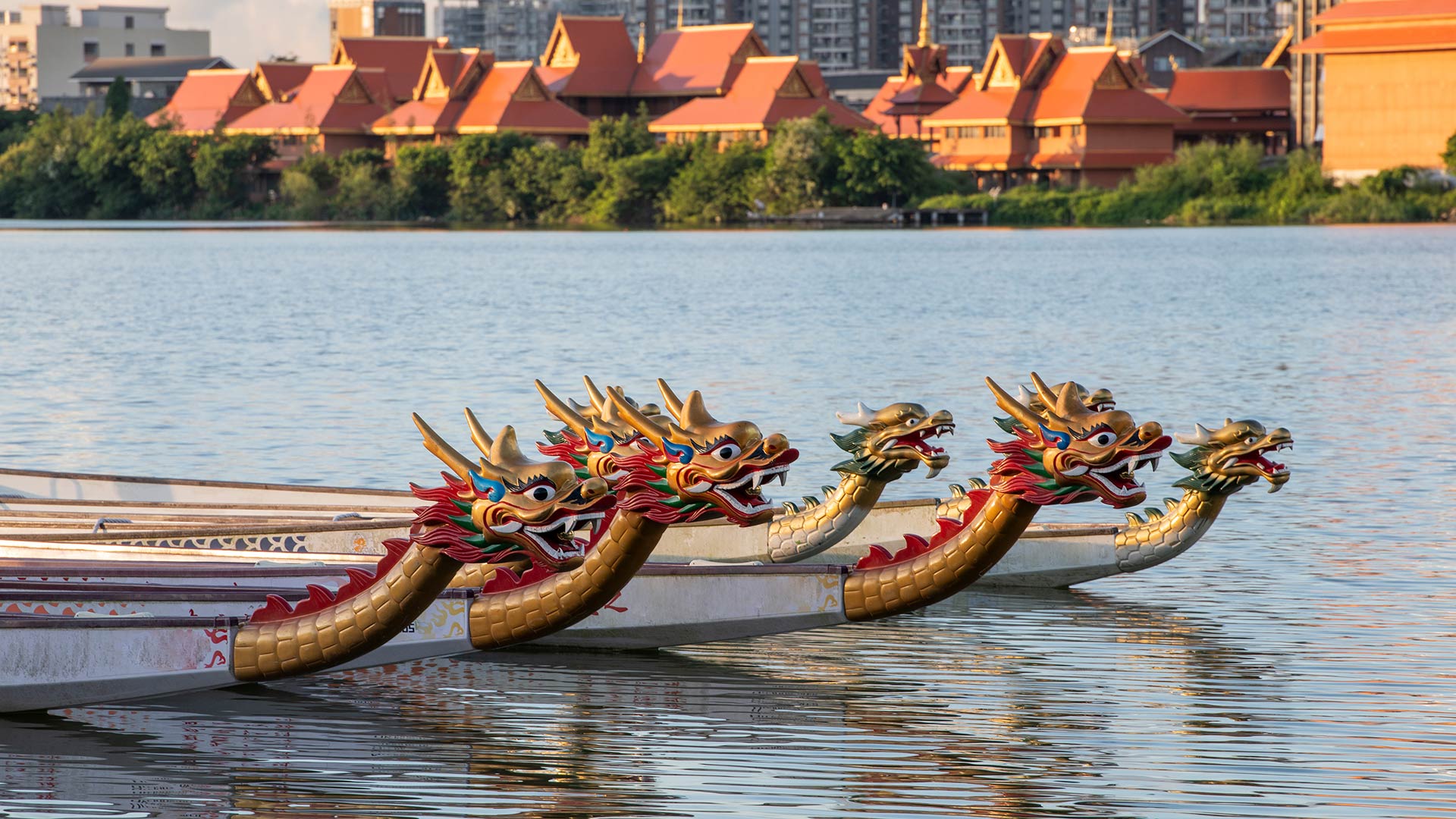
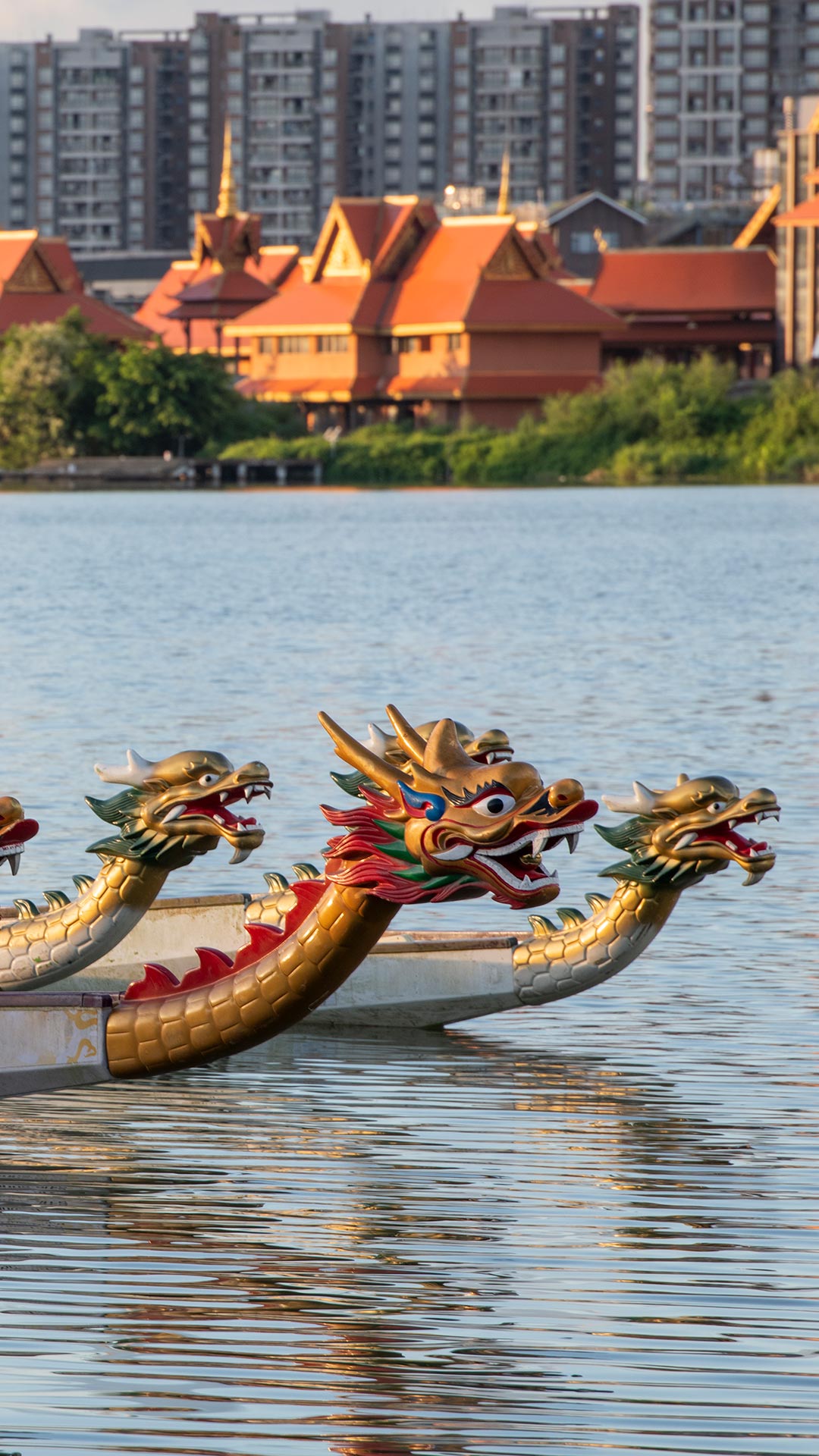
Dragon boat on the lake during the Dragon Boat Festival, China
On the vast blue waves of China, dragon boat racing has continued for over two thousand years. This sporting event, now renowned worldwide, is not only a contest of speed and strength, but also a cultural symbol deeply engraved in the bloodline of the Chinese people. The origin of dragon boats is widely debated, blending mythology, history, and other layers to form the foundation of Dragon Boat Festival culture.
For example, totem sacrificial legends can be traced back to the Neolithic era, when the ancient Baiyue people in southern China worshipped dragon totems. Every midsummer in May, they carve boats into dragon shapes for water worship, praying for blessings and disaster relief. This is also the most widely recognized origin of dragon boats in academic circles. The Legend of Qu Yuan: It is said that during the Warring States period, the patriotic poet Qu Yuan of Chu threw himself into the Miluo River on the fifth day of the fifth lunar month. Upon hearing the news, the people along the river hurriedly rowed boats to drive away the fish and shrimp from the river, competing to retrieve his remains. After generations of evolution, this righteous act eventually converged into the entire nation's Dragon Boat Festival custom commemorating Qu Yuan.r>
Other historical records state that during the Spring and Autumn period, King Goujian of Yue, in order to endure hardship and seek revenge, secretly trained his navy in Jiangsu and Zhejiang using 'water boat racing.' As the smoke of war cleared, this military training gradually entered civilian society, transforming into a competitive custom.

| 2026‑06‑19 ‑ | Japan |
|---|
| ja | • | グラン=プラス, ベルギー |
| (© Vladislav Zolotov/Getty Images Plus) |
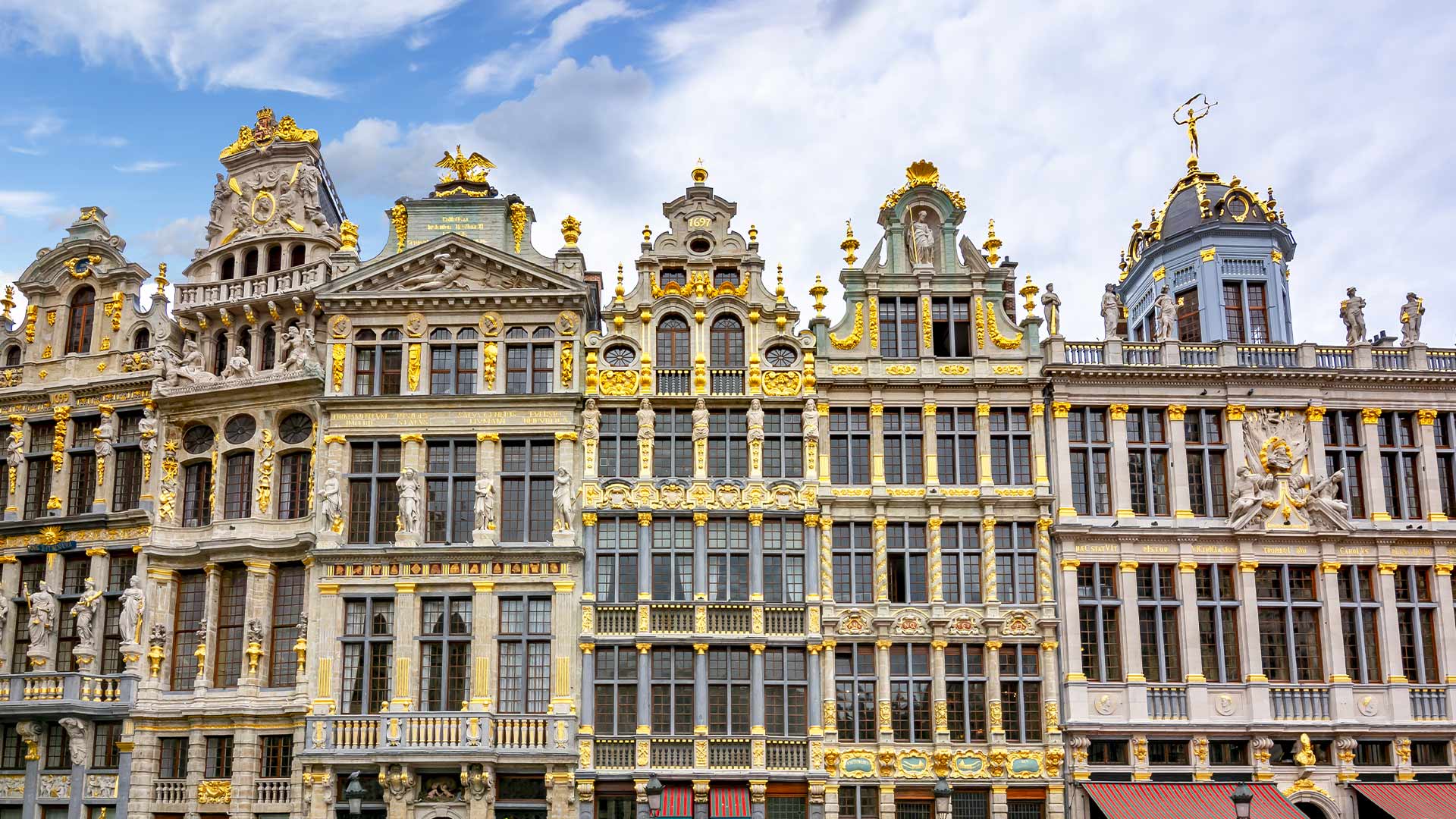
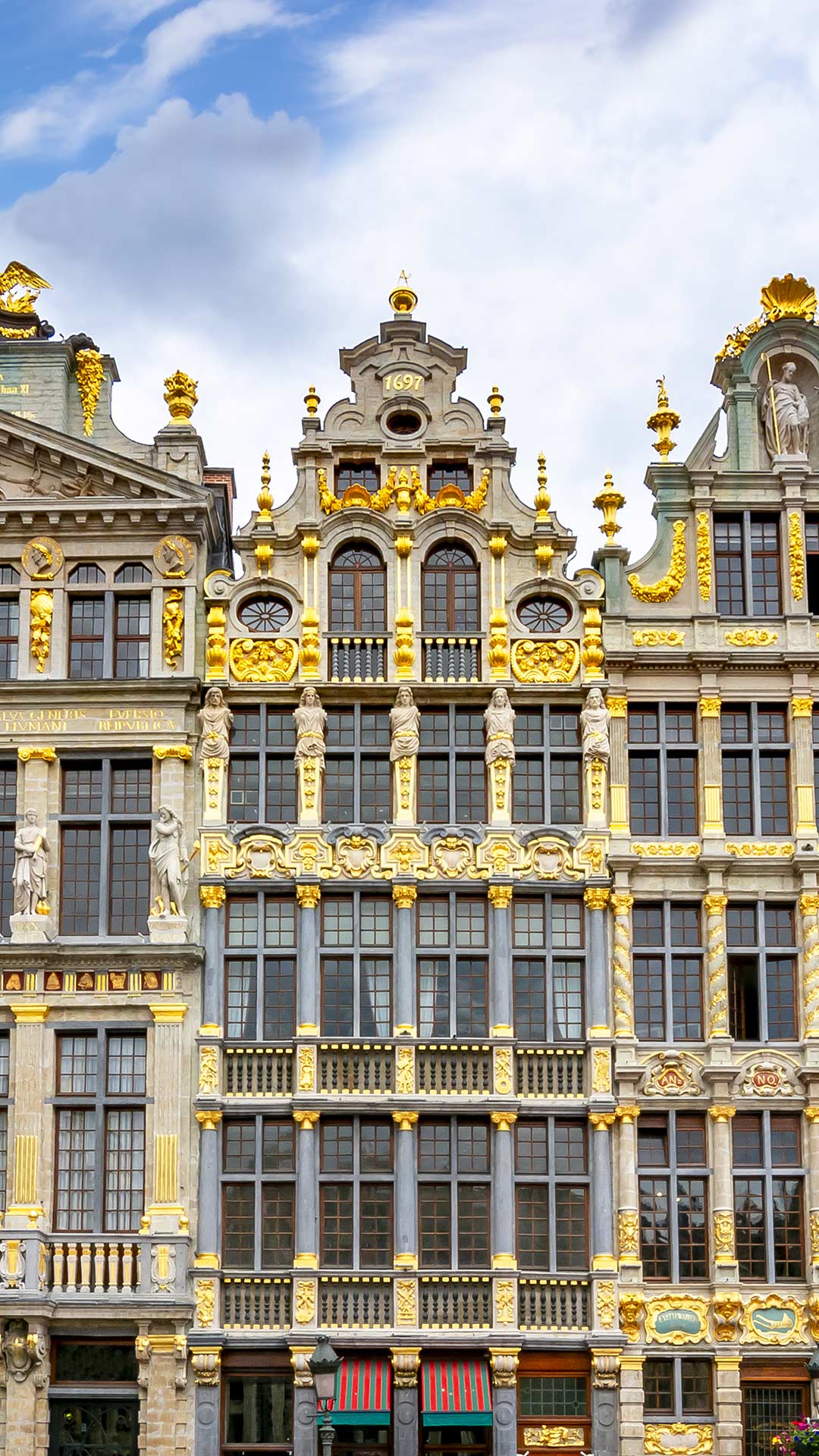
Buildings on Grand-Place Square in Brussels, Belgium
Few squares in Belgium wear history as well as the Grand Place. The surrounding buildings, seen here, began as guild houses, each funded by a specific trade. Brewers, bakers, merchants and craftsmen treated architecture as language, translating work, status and rivalry into stone through reliefs, coats of arms and generous gold leaf. Styles meet without caution. Gothic verticals rise beside Baroque curves, while the Town Hall, older than its neighbours and unapologetically asymmetrical, holds the composition together.
That unity, however, was forged under pressure. Most of the structures standing today rose from the ashes after 1695, when a French bombardment erased the medieval centre. The city responded by rebuilding quickly and boldly, turning destruction into a tightly choreographed urban reply. Life returned quickly: markets, public spectacles, royal ceremonies, festivals and the famous flower carpet have all taken their turn here. Centuries later, the square keeps its civic pulse. UNESCO calls it heritage. Brussels calls it home—and its most confident self-portrait.


| 2026‑06‑18 ‑ | International / Brazil / Canada ‑ English / Canada ‑ French / China / France / Germany / India / Italy / Japan / Spain / United Kingdom / United States |
|---|
| de | • | Luftaufnahme der Ruinen von Sacsayhuamán, Cusco, Peru |
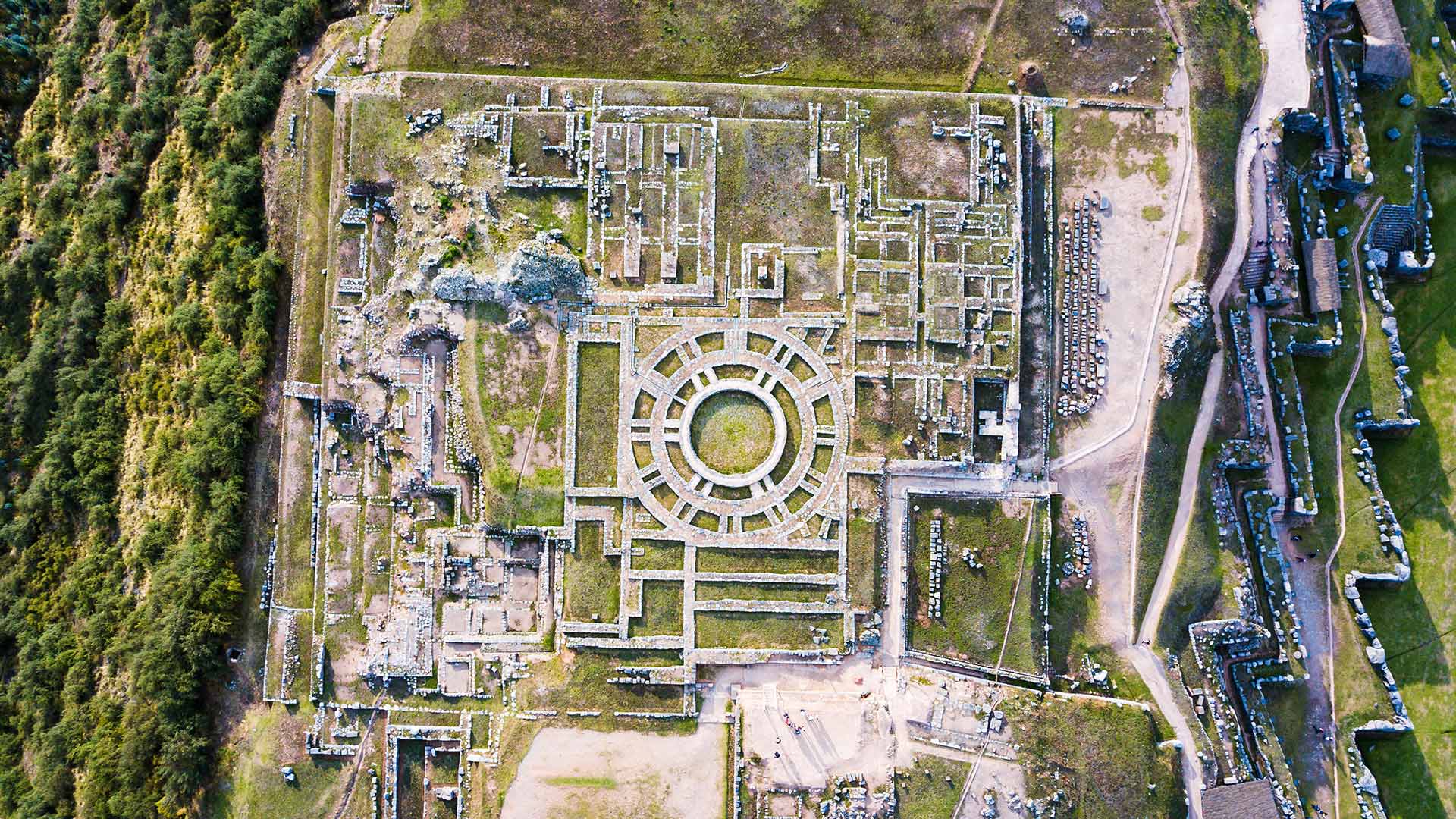
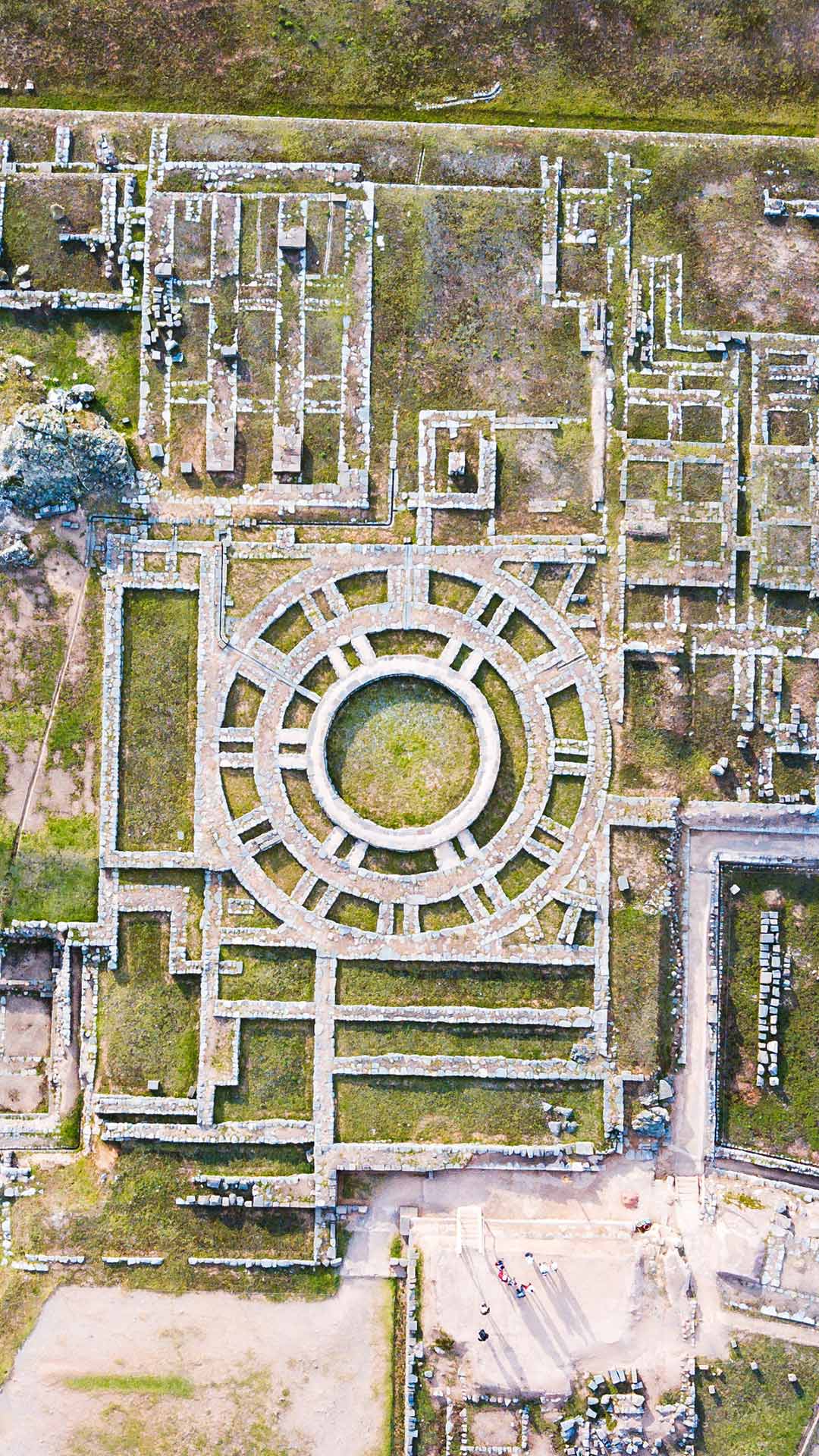
| en | • | Aerial view of the ruins of Sacsayhuamán, Cusco, Peru |
| es | • | Vista aérea de las ruinas de Sacsayhuamán, Cuzco, Perú |
| fr | • | Vue aérienne des ruines de Sacsayhuamán, Cusco, Pérou |
| it | • | Rovine di Sacsayhuamán, Cusco, Perù |
| ja | • | サクサイワマン, ペルー |
| pt | • | Vista aérea das ruínas de Sacsayhuamán, Cusco, Peru |
| zh | • | 萨克赛瓦曼遗址俯瞰图,库斯科,秘鲁 |
| (© Creative-Family/Getty Images Plus) |
Aerial view of the ruins of Sacsayhuamán, Cusco, Peru
Set high above Cusco in Peru, Sacsayhuamán reveals the ambition of the Inca Empire in stone. Built in the 15th century, this vast complex once formed part of the sacred capital of the Incas. From above, the layout becomes clear: terraces, open plazas and the remains of towers forming a carefully planned citadel. The largest walls, built from enormous blocks, still stand strong today. Some stones rise more than 8.2 metres tall and were fitted together so precisely—without mortar—that the structure has endured centuries of earthquakes.
Archaeologists believe Sacsayhuamán served both ceremonial and strategic purposes, hosting gatherings and rituals dedicated to Inti, the Inca sun god, while also overlooking the city below. Its name comes from Quechua, often translated as 'Satisfied Falcon,' reflecting the importance of birds of prey in Andean belief. Today, the site remains a powerful reminder of Inca engineering—where design, symbolism and sheer scale continue to impress from every angle.











| 2026‑06‑17 ‑ | International / Brazil / Canada ‑ English / Canada ‑ French / China / France / Germany / India / Italy / Japan / Spain / United Kingdom / United States |
|---|
| de | • | Tremolastraße am Gotthardpass in Airolo, Schweiz |
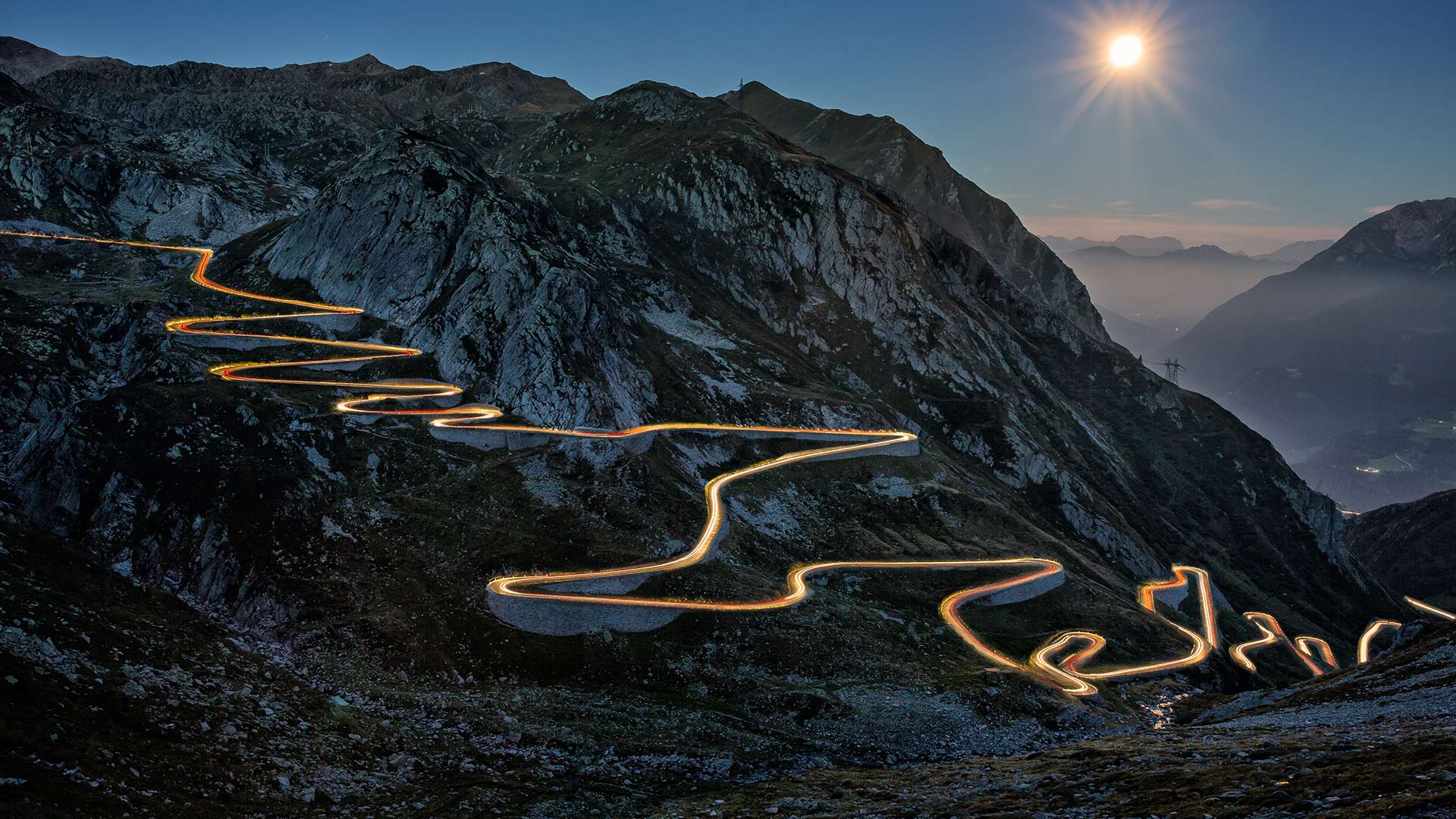
| en | • | Tremola Road on the Saint Gotthard Pass in Airolo, Switzerland |
| es | • | Carretera Tremola en el paso de San Gotardo, en Airolo, Suiza |
| fr | • | Route de la Tremola sur le col du Saint-Gothard, Airolo, Suisse |
| it | • | Strada della Tremola, passo del San Gottardo, Airolo, Svizzera |
| ja | • | トレモラ道路, スイス |
| pt | • | Estrada Tremola no Passo de São Gotardo, Airolo, Suíça |
| zh | • | 特雷莫拉公路在圣哥达山口,艾罗洛,瑞士 |
| (© Sandro Bisaro/Getty Images) |
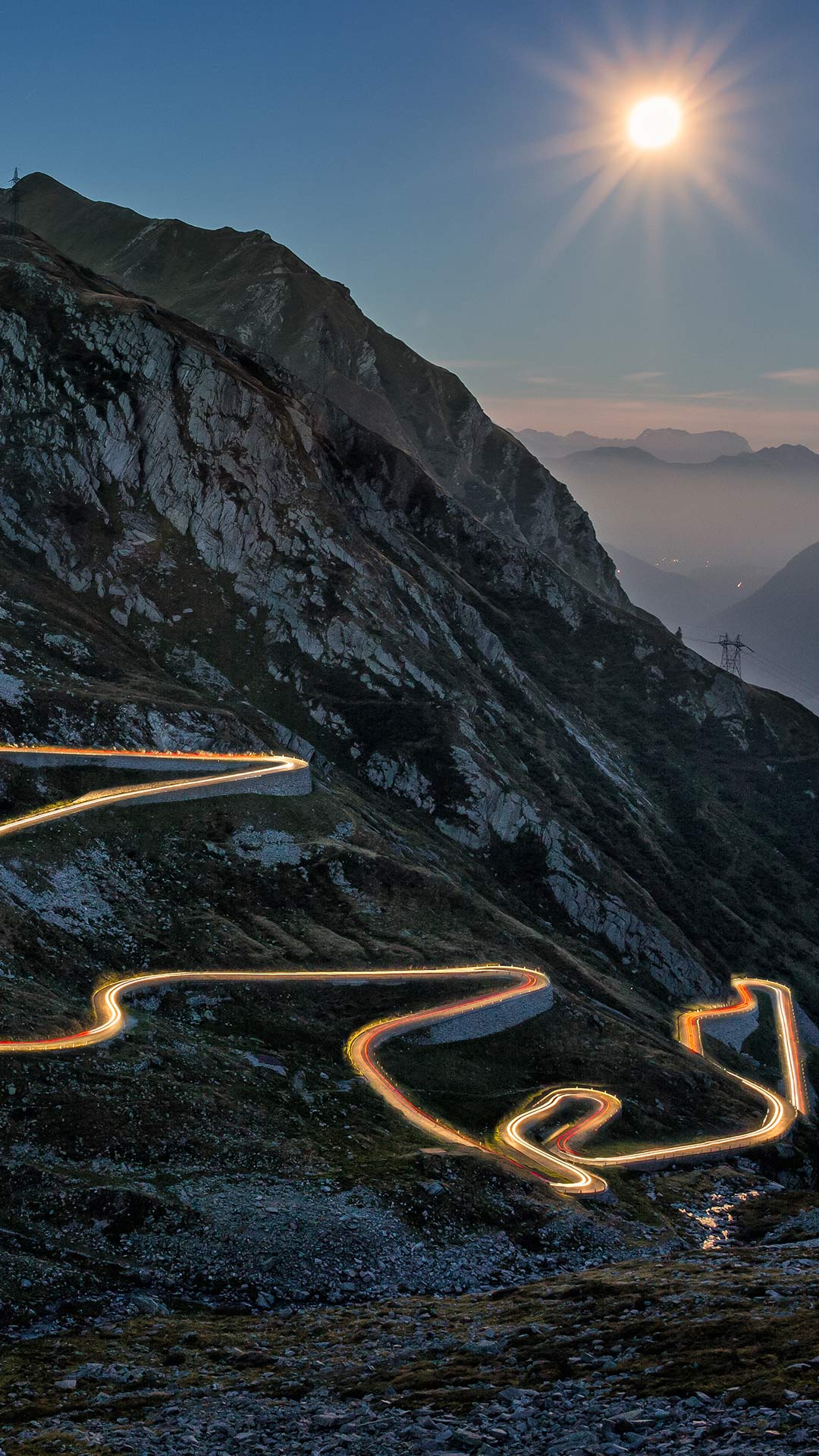
Tremola Road on the Saint Gotthard Pass in Airolo, Switzerland
Follow the glowing ribbon of switchbacks and you'll find one of Switzerland's most legendary drives: Tremola Road, the historic southern approach to the Saint Gotthard Pass, above Airolo. Built in the early 1800s and largely shaped by a 1951 reconstruction, this route is celebrated as Switzerland's longest monument to historic road construction. Its showstopper stretch climbs about 299 metres in just 4 kilometres, curling through 24 named hairpin bends on granite cobblestones, with sturdy retaining walls edging the way. Overall, it runs about 11 kilometres and features 37 bends in total. Take it slow—every curve feels like a step back in time, trading speed for sweeping mountain scenery and big views toward the upper Leventina Valley. Whether you're driving, cycling or pulling over for photos, look for the Grand Tour of Switzerland photo spot framing those iconic zigzags.
Adventure tip: Aim for clear, dry conditions—the cobbles are part of the thrill.
| 2026‑06‑16 ‑ | International / Brazil / Canada ‑ English / Canada ‑ French / China / France / Germany / India / Italy / Japan / Spain / United Kingdom / United States |
|---|
| de | • | Zwei Echte Karettschildkröten in der Nähe des Seven Mile Beach, Grand Cayman, Kaimaninseln |
| en | • | Hawksbill sea turtle pair near Seven Mile Beach, Grand Cayman, Cayman Islands |
| es | • | Pareja de tortugas carey cerca de Seven Mile Beach, Gran Caimán, Islas Caimán |
| fr | • | Un couple de tortues imbriquées près de Seven Mile Beach, Grand Cayman, Îles Caïmans |
| it | • | Tartarughe embricate, Seven Mile Beach, Isole Cayman |
| ja | • | 優雅に泳ぐタイマイ, ケイマン諸島 |
| pt | • | Tartarugas-de-pente perto de Seven Mile Beach, Grand Cayman, Ilhas Cayman |
| zh | • | 七英里海滩附近的玳瑁海龟伴侣,大开曼岛,开曼群岛 |
| (© Alex Mustard/Nature Picture Library) |
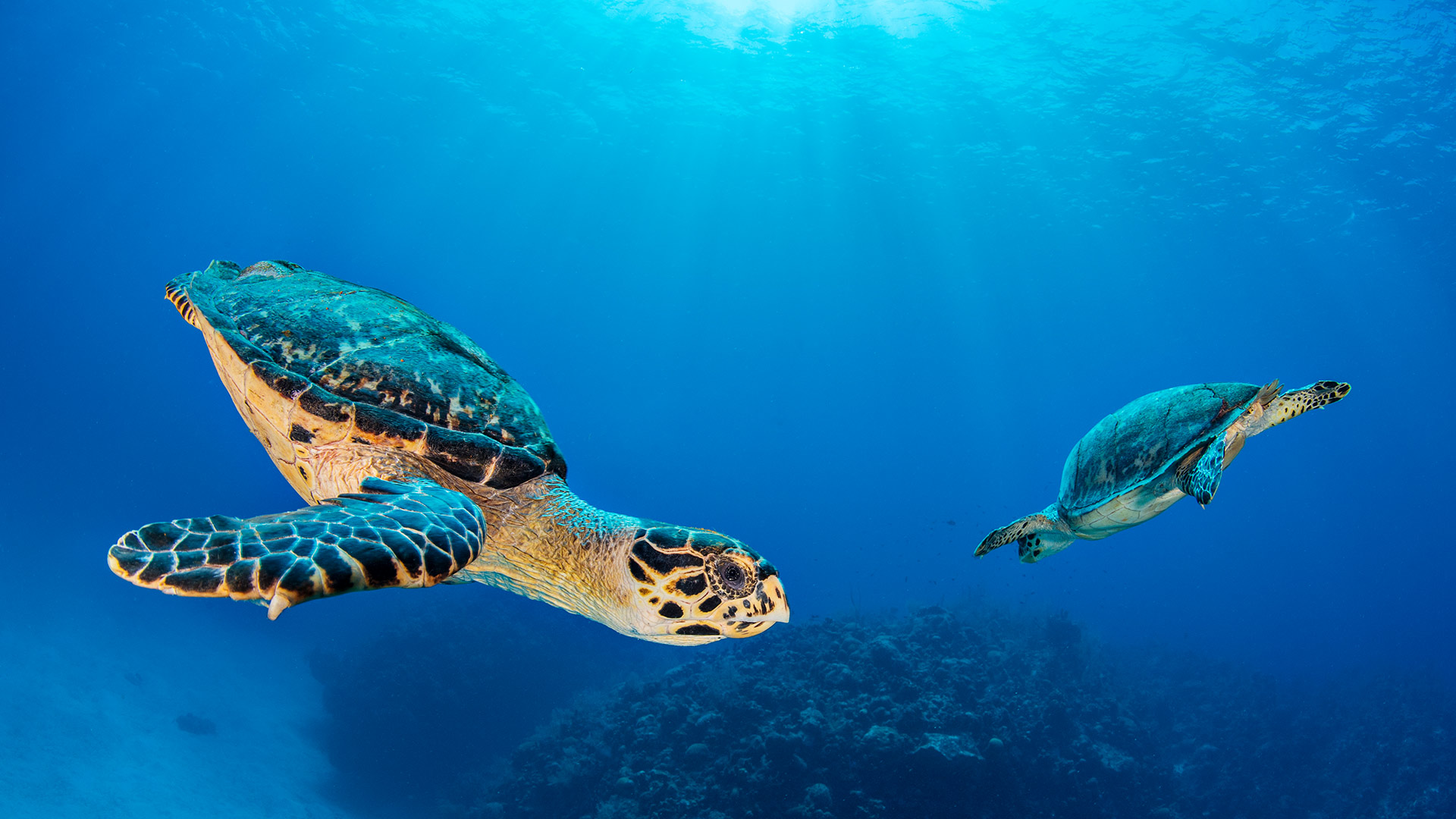
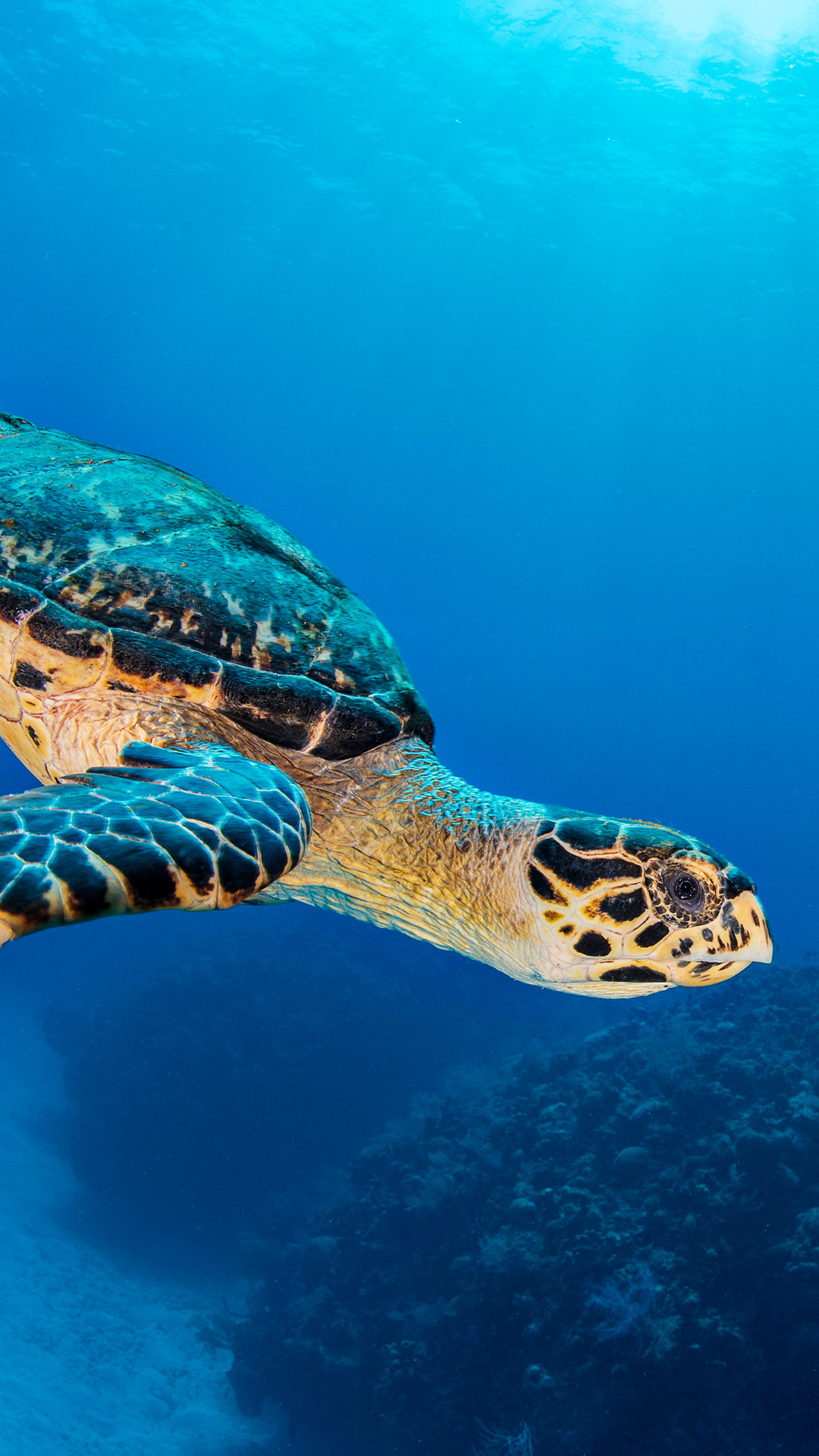
Hawksbill sea turtle pair, Grand Cayman, Cayman Islands
Sea turtles have been navigating Earth's oceans for more than 100 million years. Imagine crossing vast stretches of open water and returning to the same beach decades later. Long migrations between feeding and nesting grounds are central to their lives, with some travelling thousands of kilometres across the oceans. They also play an important role in marine ecosystems by maintaining seagrass beds and helping to keep coral reefs healthy. Despite their resilience, all sea turtle species face threats including habitat loss, plastic pollution, climate change and accidental capture in fishing gear.
Pictured here near the Cayman Islands, a pair of hawksbill sea turtles glide through clear Caribbean waters. Known for their patterned shells and narrow, hawk-like beaks, hawksbills help maintain reef balance by feeding mainly on sponges, which prevents sponges from overtaking corals. Their beautifully patterned shells once fuelled the global tortoiseshell trade. Critically endangered, they are among the rarest sea turtle species, making encounters like this even more remarkable.
| 2026‑06‑15 ‑ | International / Brazil / Canada ‑ English / Canada ‑ French / China / France / India / Italy / Japan / Spain / United Kingdom / United States |
|---|
| en | • | Great Smoky Mountains National Park, Tennessee |
| • | Great Smoky Mountains National Park, Tennessee, United States | |
| es | • | Parque nacional de las Grandes Montañas Humeantes, Tennessee, EE. UU. |
| fr | • | Parc national des Great Smoky Mountains, Tennessee, États-Unis |
| it | • | Parco nazionale delle Great Smoky Mountains, Tennessee, USA |
| ja | • | グレート・スモーキー山脈国立公園, 米国 テネシー州 |
| pt | • | Parque Nacional Great Smoky Mountains, Tennessee, Estados Unidos |
| zh | • | 大烟山国家公园,田纳西州,美国 |
| (© Mint Images/Getty Images) |
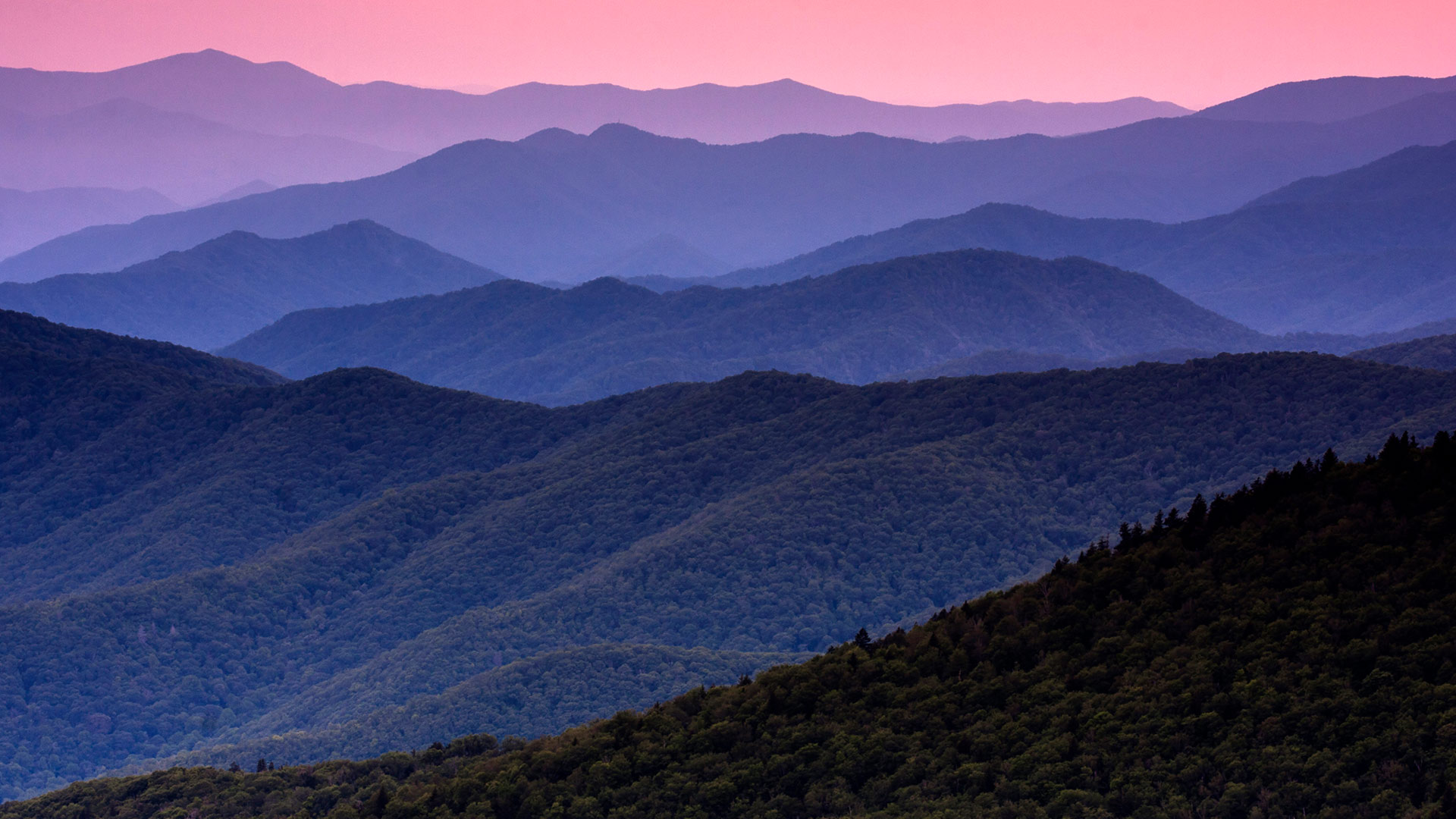
Great Smoky Mountains National Park, Tennessee, United States
These mountains were shaped over time—and June 15, 1934, helped protect them. That's when the Great Smoky Mountains National Park was established in Tennessee and North Carolina. Covering over 2,112 square kilometres, the park takes its name from the natural smoky haze drifting over its ridgelines. Part of the Appalachian Mountains, these peaks are over 300 million years old.
Native Americans have hunted in these mountains for around 14,000 years. Archaeologists have found Archaic-period projectile points along animal migration routes, while Woodland-period sites reveal 2,000-year-old ceramics and early farming practices.
Recognised as the Salamander Capital of the World, the park is a biodiversity hotspot, home to around 30 salamander species, black bears, elk, over 200 bird species and thousands of plant varieties. Its forests shift with elevation, supporting a wide range of ecosystems. Kuwohi is the highest point, offering sweeping views. Meanwhile, Cades Cove and Cataloochee Valley contain preserved buildings that reflect life in the region before the park's creation.