Bing daily wallpapers
page 1 / 20
- 2026-06-20 04:00 UTC
- Canada - English / Canada - French
- 2026-06-20 07:00 UTC
- International / China - English / United States
- 2026-06-20 15:00 UTC =
- Japan
- 2026-06-20 16:00 UTC =
- China
► Preview of next homepage images ◄
► Random Windows SpotLight images ◄
| 2026‑06‑20 ‑ | International / Brazil / Canada ‑ English / Canada ‑ French / China / France / India / Italy / Japan / Spain / United Kingdom / United States |
|---|
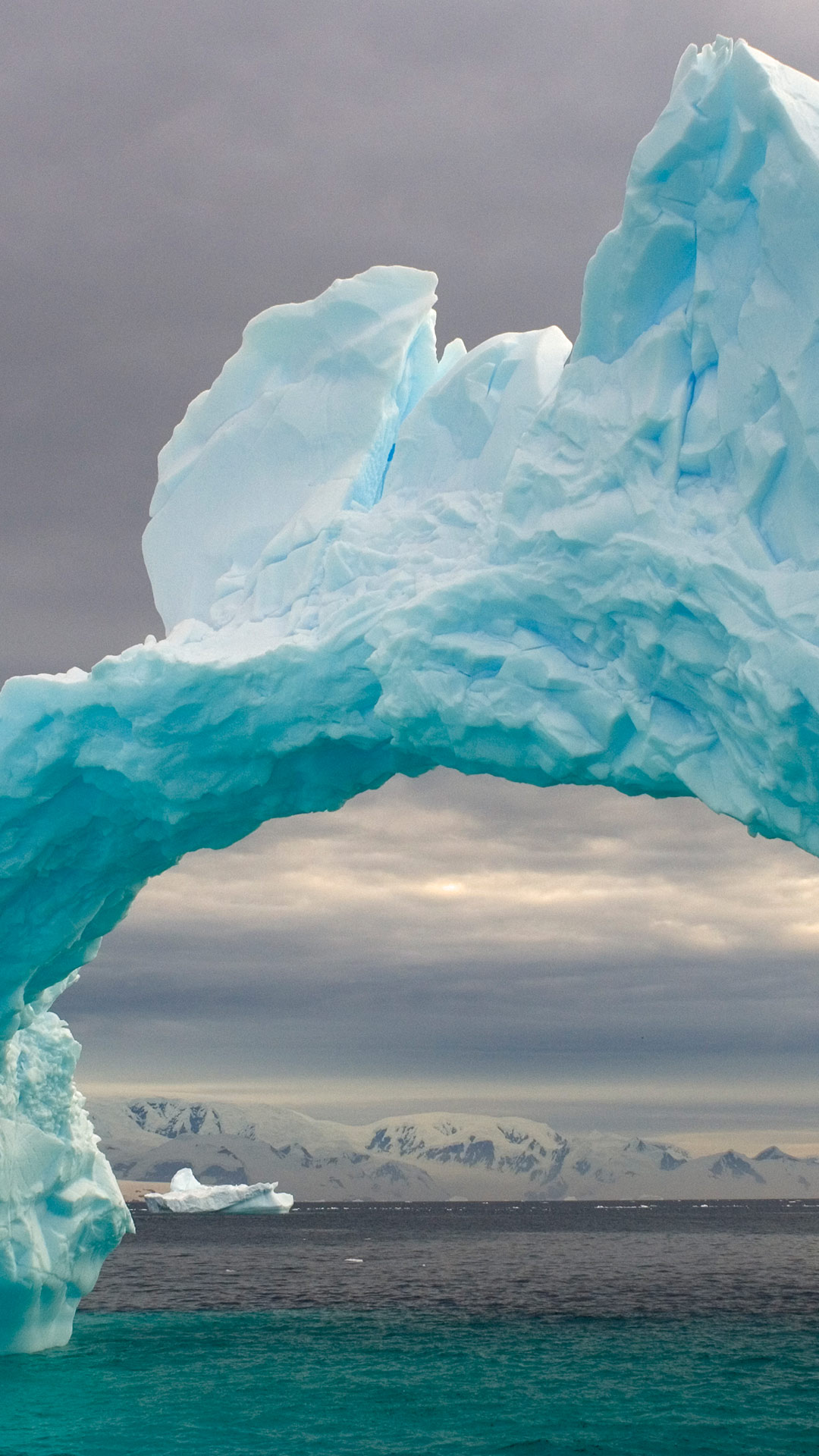
| en | • | Arched iceberg floating off the western Antarctic Peninsula, Southern Ocean |
| es | • | Iceberg arqueado flotando frente a la península Antártica occidental, océano Austral |
| fr | • | Arche naturelle sculptée dans un iceberg, Océan Antarctique |
| it | • | Iceberg, costa occidentale della penisola Antartica, oceano Antartico |
| ja | • | アーチ状の氷山, 南極半島西部 |
| pt | • | Iceberg flutuando na Antártica Ocidental, oceano Antártico |
| zh | • | 漂浮在南极半岛西部海域的拱形冰山, 南大洋 |
| (© Steven Kazlowski/Nature Picture Library) |
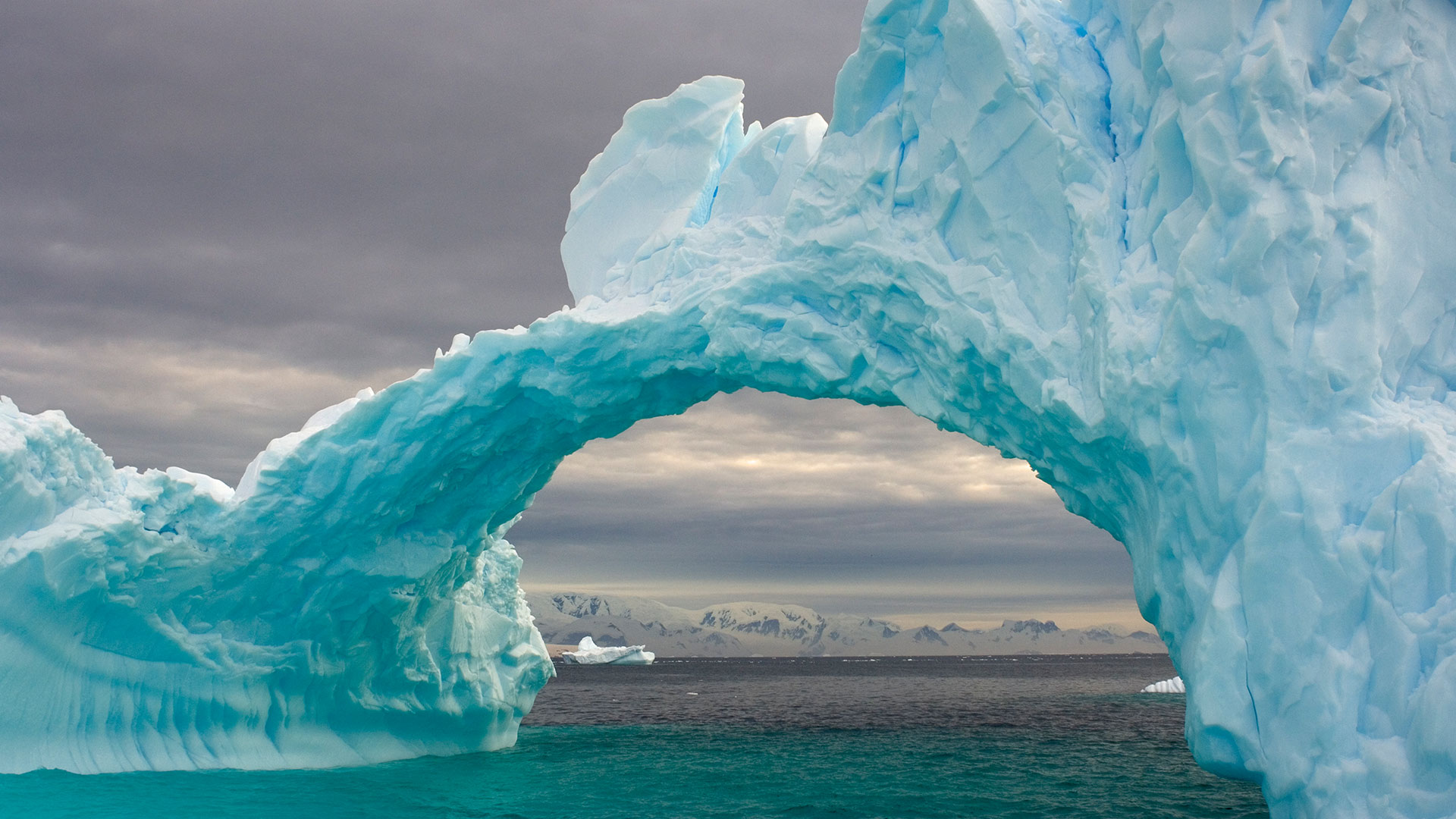
Arched iceberg, western Antarctic Peninsula, Southern Ocean
A sculpted arch of ice rises from the Southern Ocean along the Antarctic Peninsula, one of the fastest-warming regions on Earth. This formation began as compacted snow that turned into glacial ice over thousands of years. Eventually, part of a glacier or floating ice shelf fractured and broke free—a process known as calving—creating a drifting iceberg.
Icebergs are classified by size and shape. To qualify, a mass must tower more than 4 metres above sea level, yet nearly 90% of it remains hidden below the surface. Flat-topped 'tabular' forms are common in Antarctica, while eroded features like this arch fall into irregular, non-tabular categories.
Though seemingly barren, these floating giants support life. Algae cling to their undersides, feeding swarms of krill, which sustain fish, seals and whales. As ice melts, it releases nutrients that fertilise surrounding waters, turning these frozen sculptures into mobile ecosystems.












| 2026‑06‑20 ‑ | Germany |
|---|
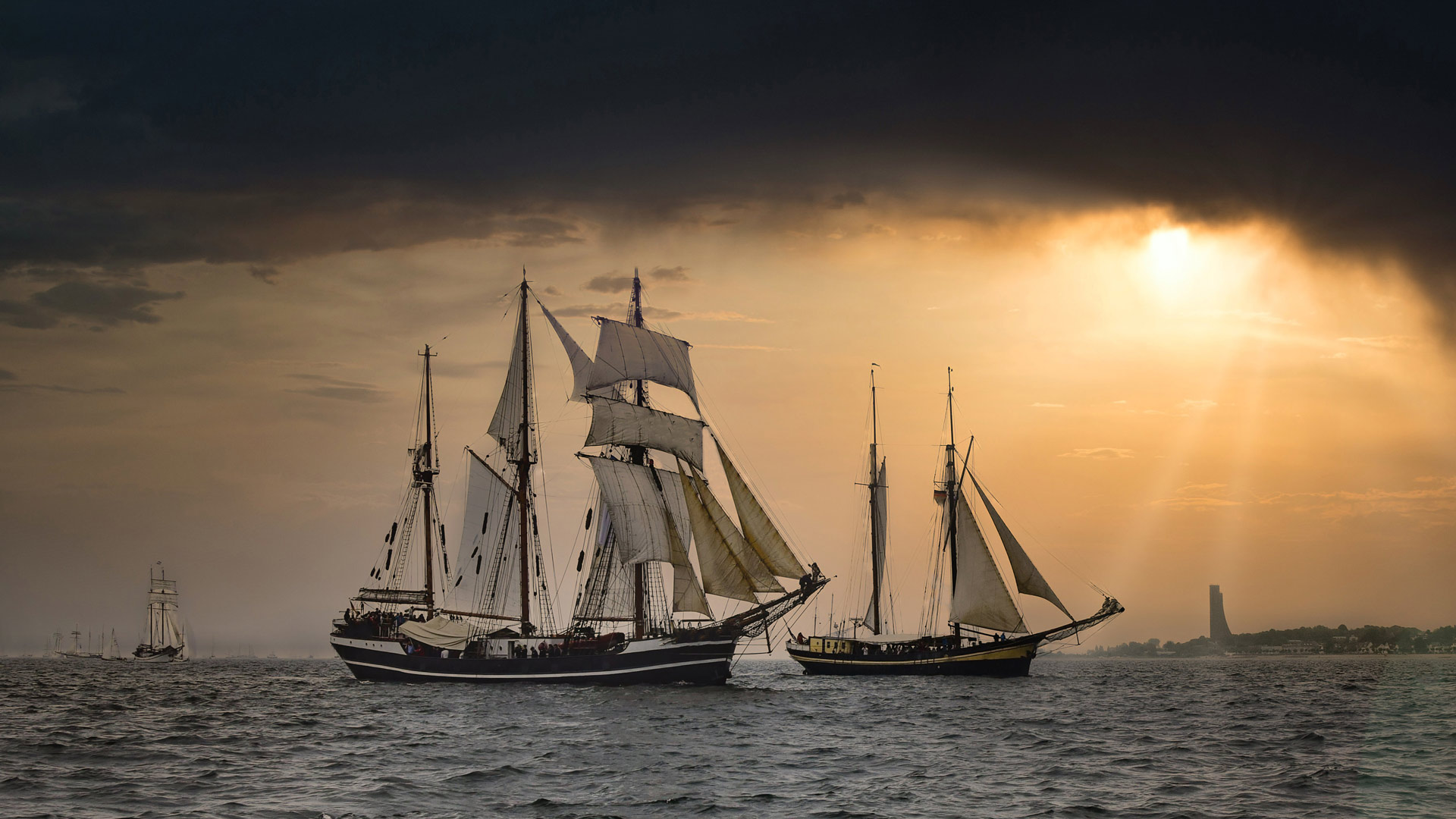
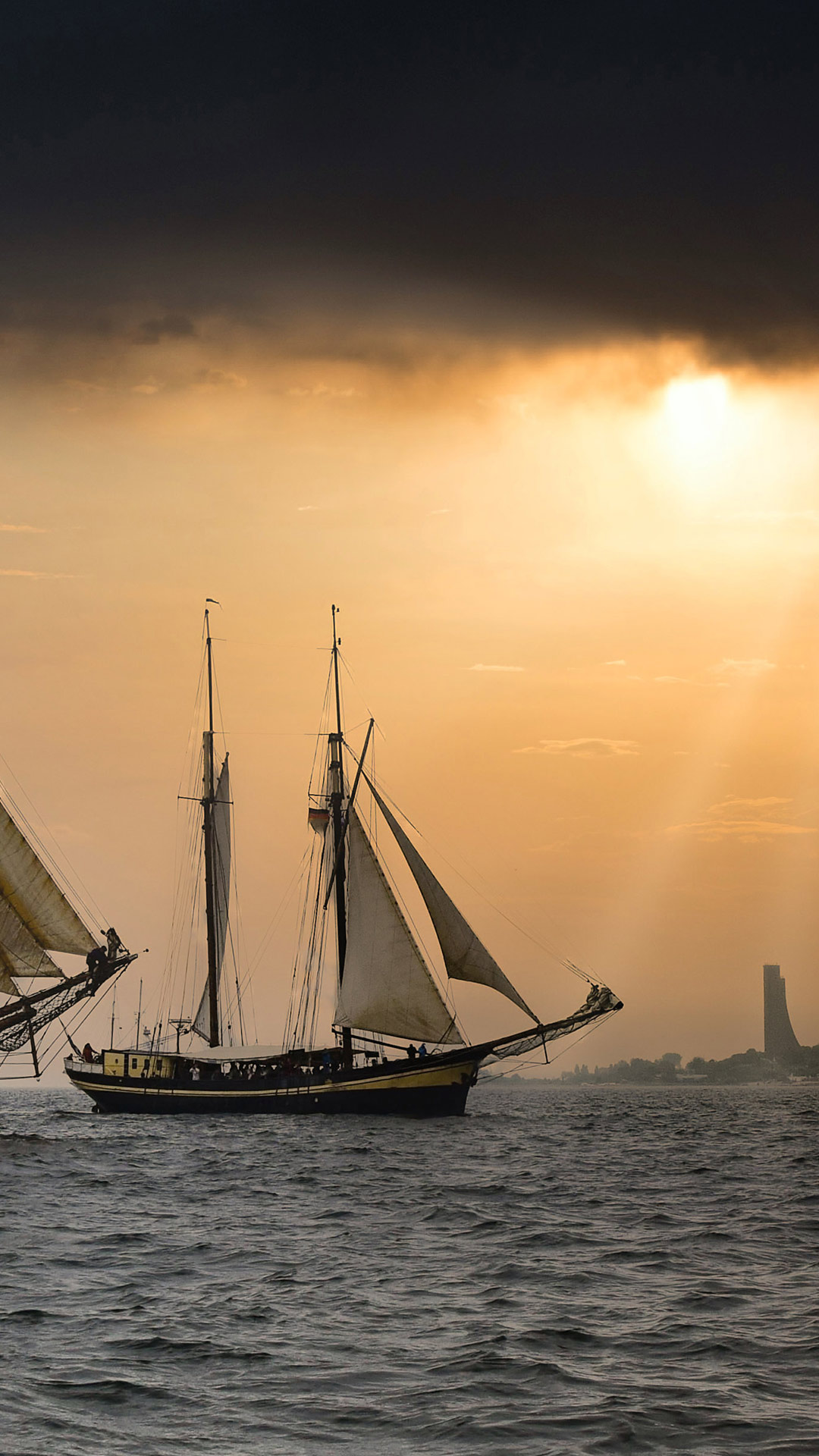
| de | • | Windjammerparade zur Kieler Woche in Kiel, Schleswig-Holstein |
| (© Snapshot freddy/Shutterstock) |
Kiel Week
"Cast off!" – this is how one of the largest and most traditional sailing events in the world begins in Kiel every year: the Kiel Week. The renowned festival in Schleswig-Holstein combines international regattas with a maritime folk festival that characterises the city for nine days. Modern yachts, historic sailing ships and numerous smaller boats meet on the Kiel Fjord and determine the image of the coast.
A special highlight is the famous windjammer parade, which can also be seen in this photo, but traditionally only takes place towards the end of the Kiel Week. Impressive tall ships move in formation across the water, accompanied by many smaller boats. High masts, wide-span sails and the smooth gliding of the ships give the scene an almost timeless appearance.
The scene is particularly impressive in the interplay of light and water: the bright light is reflected on the fjord, while the silhouettes of the ships stand out clearly against the sky and clouds. In this way, the Kiel Week combines seafaring tradition with an impressive interplay of movement and water.

| 2026‑06‑19 ‑ | International / Brazil / Canada ‑ English / Canada ‑ French / France / Germany / India / Italy / Spain / United Kingdom |
|---|
| de | • | Leuchtturm „La Rocchetta“, Piombino, Italien |
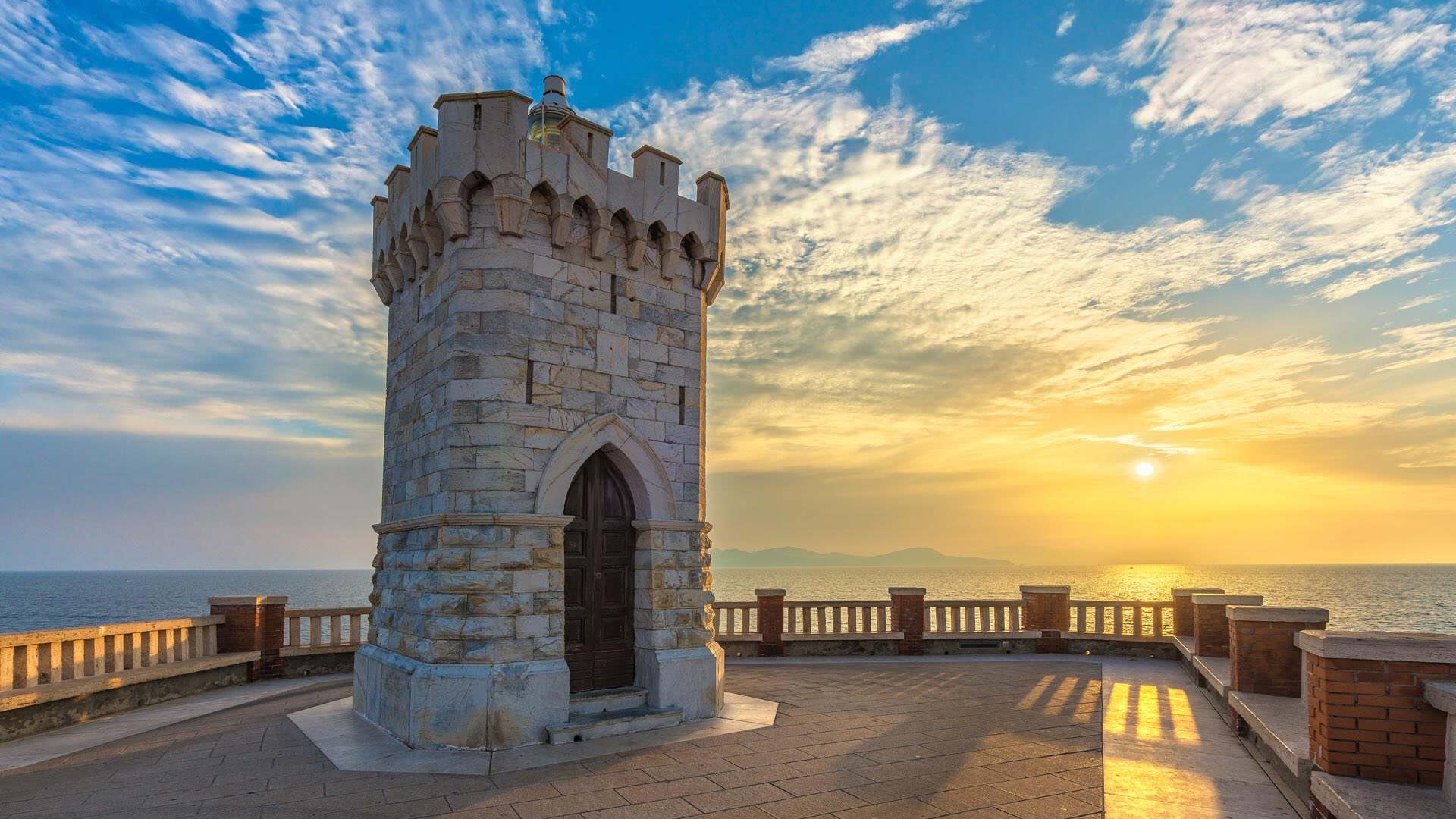
| en | • | La Rocchetta Lighthouse, Piombino, Italy |
| • | La Rocchetta Lighthouse, Piombino, Tuscany, Italy | |
| es | • | Faro de La Rocchetta, Piombino, Toscana, Italia |
| fr | • | Phare de La Rocchetta, Piombino, Toscane, Italie |
| it | • | Faro di Piombino, provincia di Livorno, Toscana |
| pt | • | Farol La Rocchetta, Piombino, Toscana, Itália |
| (© StevanZZ/Getty Images) |
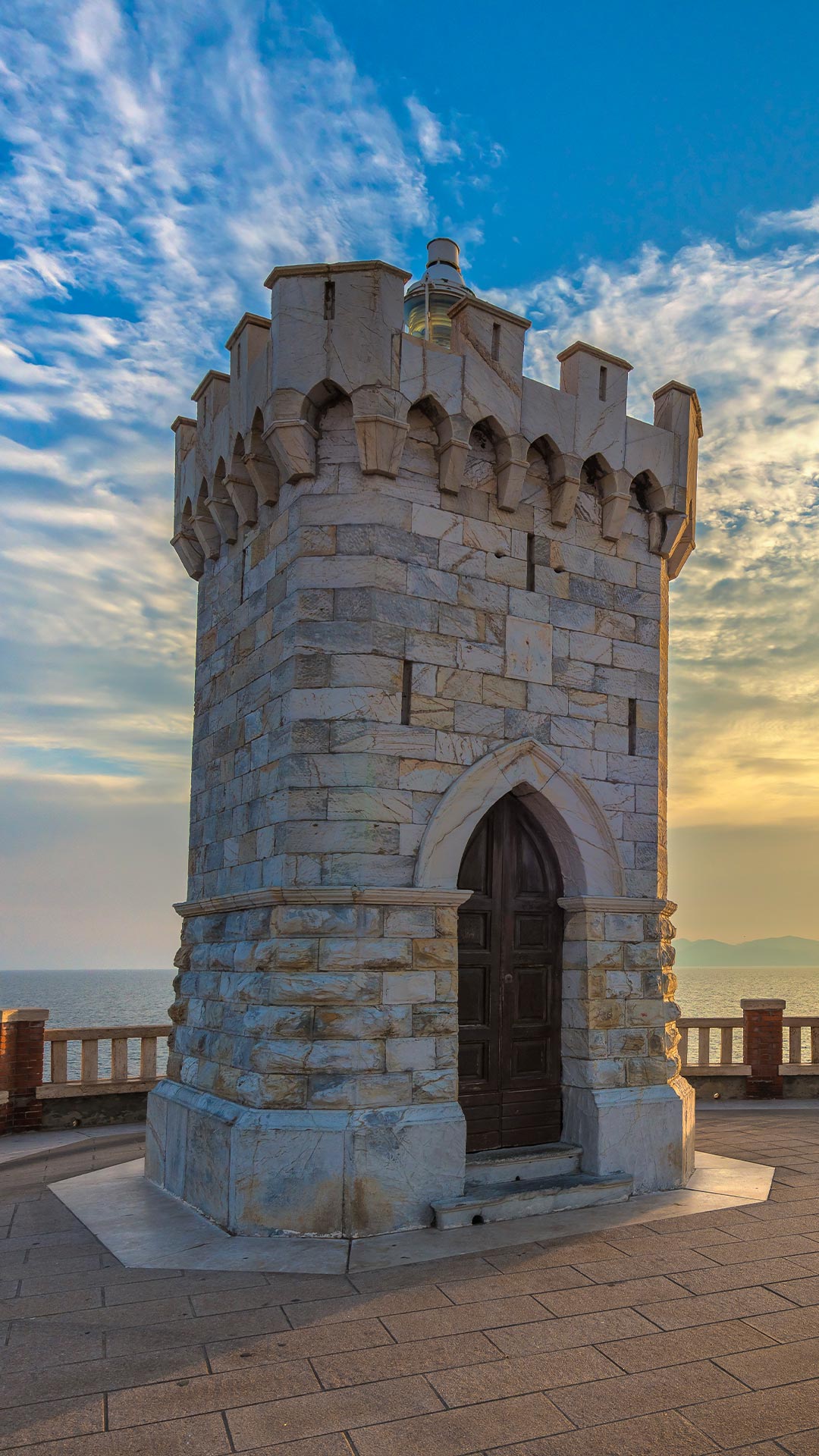
La Rocchetta Lighthouse, Piombino, Italy
Perched at the far edge of Piazza Bovio in Piombino, Tuscany, Italy, is the Piombino Lighthouse. Locally, it is known as 'Faro di Piombino' or 'La Rocchetta Lighthouse.' It overlooks the point where the Tuscan coast faces the island of Elba.
The lighthouse was built in the 20th century on the remains of an older fortification. Despite its small size and neo-Gothic style, it plays an important role. Its light is visible offshore and helps guide vessels through the channel between Piombino and the Tuscan Archipelago.
What makes it especially memorable, however, is its setting. Piazza Bovio, often described as one of Italy's most striking seaside squares, offers expansive views across the Tyrrhenian Sea and the islands of the Tuscan Archipelago. On clear days, you can see all the way to Elba, while sunset turns the headland into a natural lookout point. More than a navigational aid, the lighthouse has become one of Piombino's best-known symbols, where maritime history and the coastal landscape still meet.
| 2026‑06‑19 ‑ | United States |
|---|
| en | • | National Museum of African American History and Culture, Washington, DC |
| (© Walter Bibikow/Alamy) |
Happy Juneteenth!
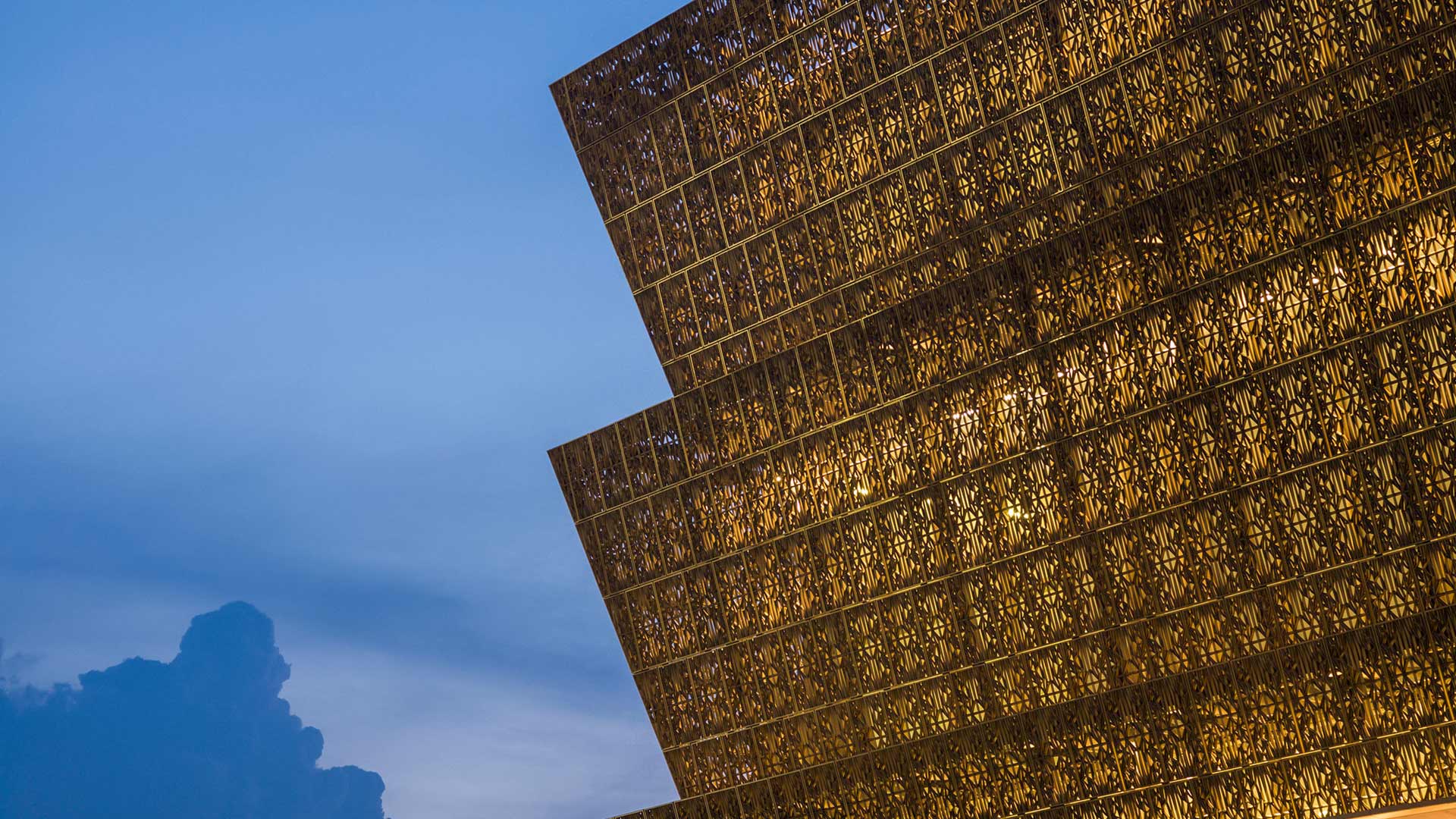
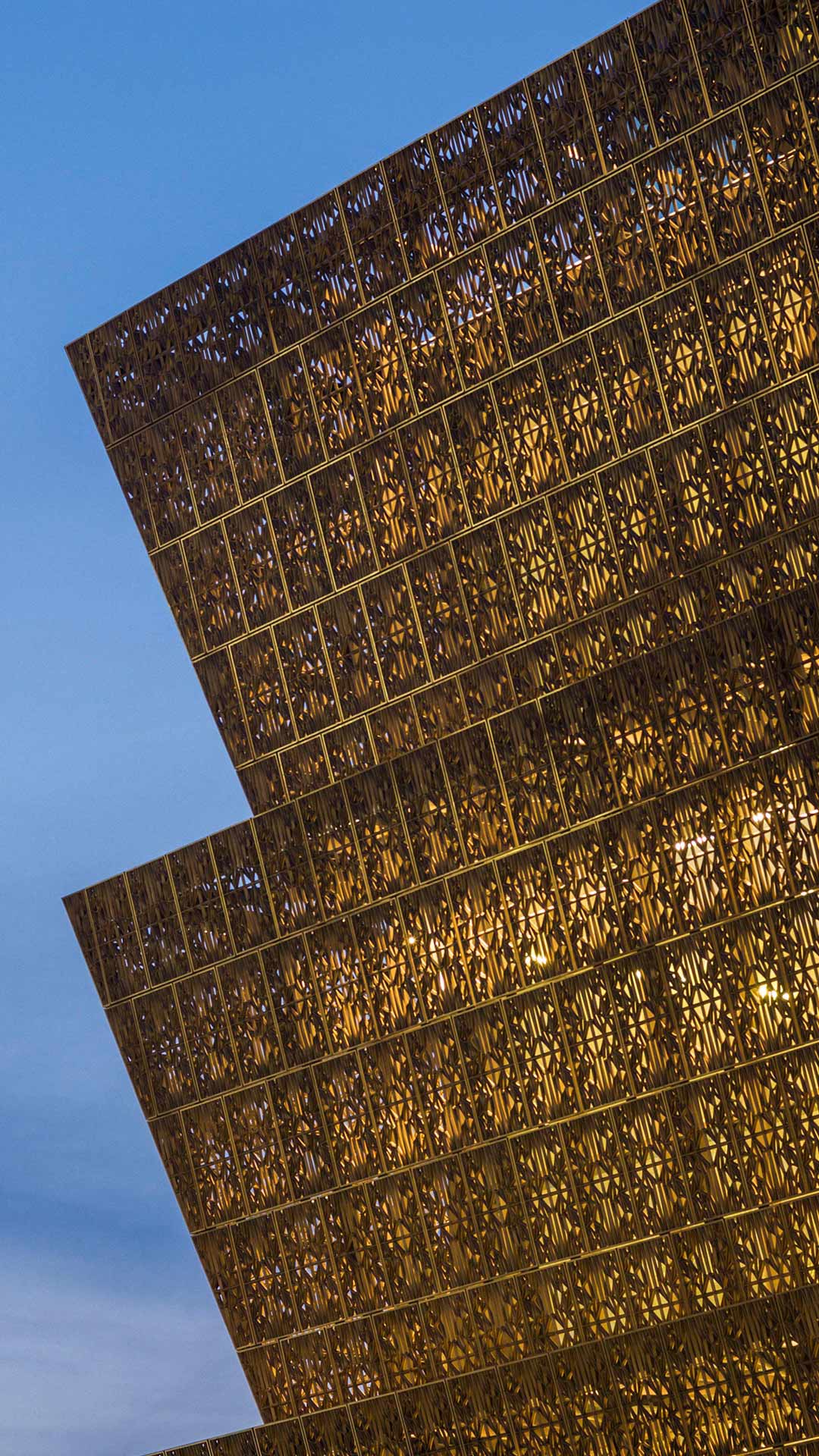
Across the National Mall in Washington, DC, the National Museum of African American History and Culture rises with a striking bronze-colored exterior. This powerful landmark reflects the story of Juneteenth, a holiday marking June 19, 1865, when Union troops arrived in Galveston, Texas, and finally announced freedom for more than 250,000 enslaved people—more than two years after the Emancipation Proclamation took effect.
Often called Freedom Day, Juneteenth honors both the end of slavery in the United States and the long struggle for equality that followed. Celebrations began in Texas and gradually spread nationwide, becoming a federal holiday in 2021.
ike the museum's intricate facade—a tiered 'corona' form inspired by African artistry and craftsmanship—Juneteenth reflects layered meanings of resilience, memory, and hope. Together, the holiday and the museum invite reflection on a past that continues to shape the nation's present.
| 2026‑06‑19 ‑ | China |
|---|
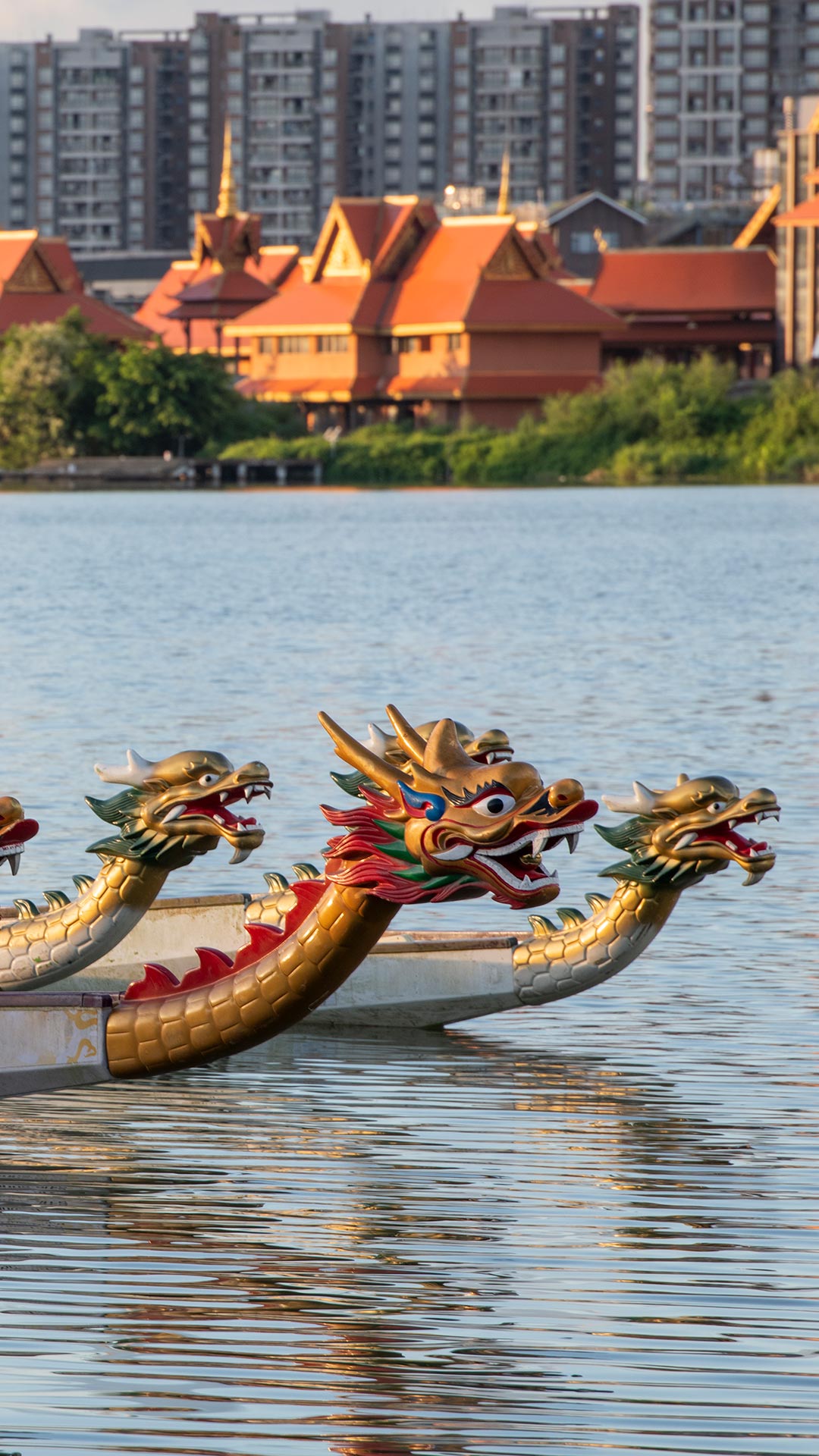
| en | • | Dragon boat in the lake, China |
| zh | • | 湖中的龙舟,中国 |
| (© Zhonghui Bao/Getty Images) |
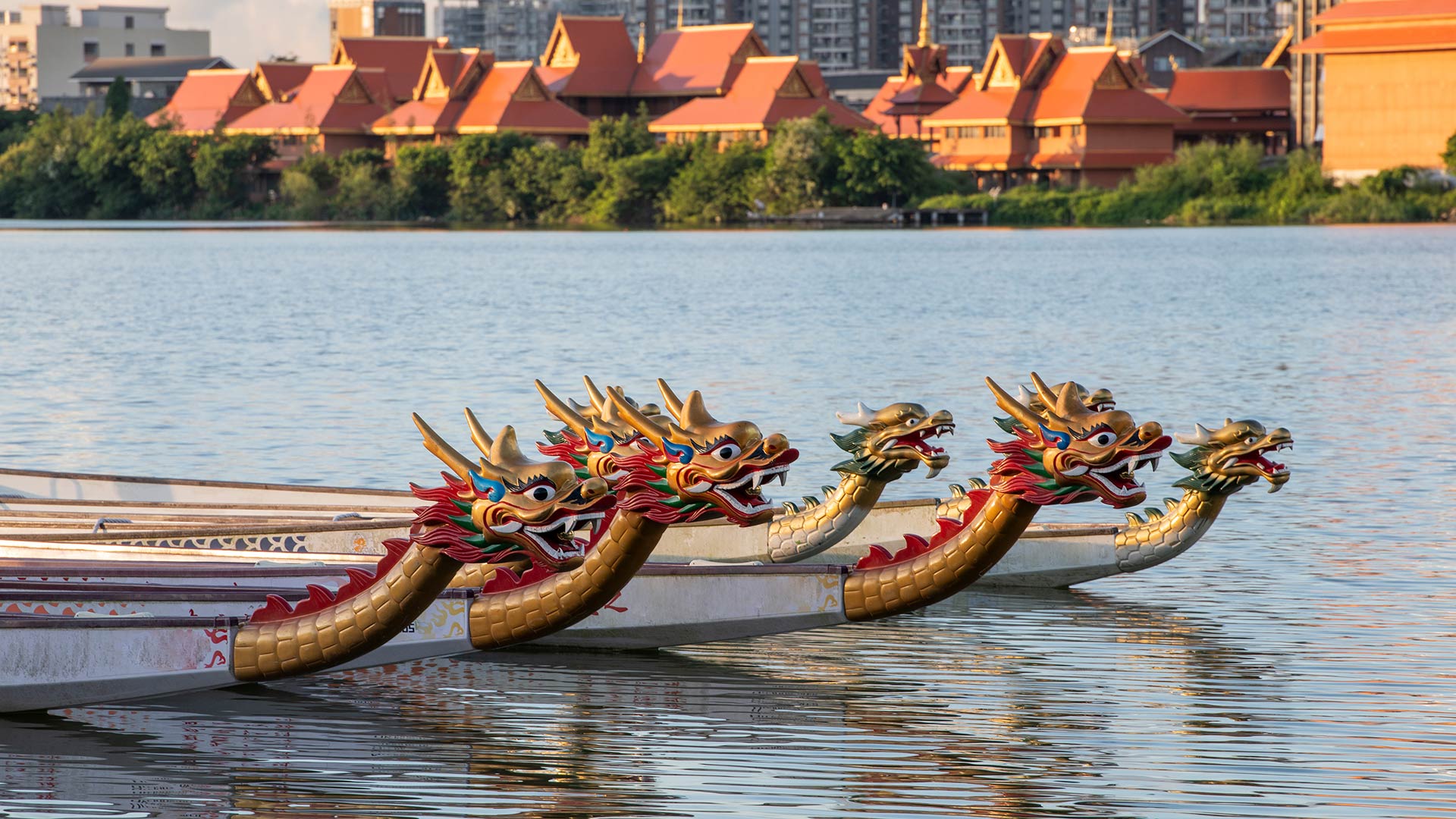
Dragon boat on the lake during the Dragon Boat Festival, China
On the vast blue waves of China, dragon boat racing has continued for over two thousand years. This sporting event, now renowned worldwide, is not only a contest of speed and strength, but also a cultural symbol deeply engraved in the bloodline of the Chinese people. The origin of dragon boats is widely debated, blending mythology, history, and other layers to form the foundation of Dragon Boat Festival culture.
For example, totem sacrificial legends can be traced back to the Neolithic era, when the ancient Baiyue people in southern China worshipped dragon totems. Every midsummer in May, they carve boats into dragon shapes for water worship, praying for blessings and disaster relief. This is also the most widely recognized origin of dragon boats in academic circles. The Legend of Qu Yuan: It is said that during the Warring States period, the patriotic poet Qu Yuan of Chu threw himself into the Miluo River on the fifth day of the fifth lunar month. Upon hearing the news, the people along the river hurriedly rowed boats to drive away the fish and shrimp from the river, competing to retrieve his remains. After generations of evolution, this righteous act eventually converged into the entire nation's Dragon Boat Festival custom commemorating Qu Yuan.r>
Other historical records state that during the Spring and Autumn period, King Goujian of Yue, in order to endure hardship and seek revenge, secretly trained his navy in Jiangsu and Zhejiang using 'water boat racing.' As the smoke of war cleared, this military training gradually entered civilian society, transforming into a competitive custom.
| 2026‑06‑19 ‑ | Japan |
|---|
| ja | • | グラン=プラス, ベルギー |
| (© Vladislav Zolotov/Getty Images Plus) |
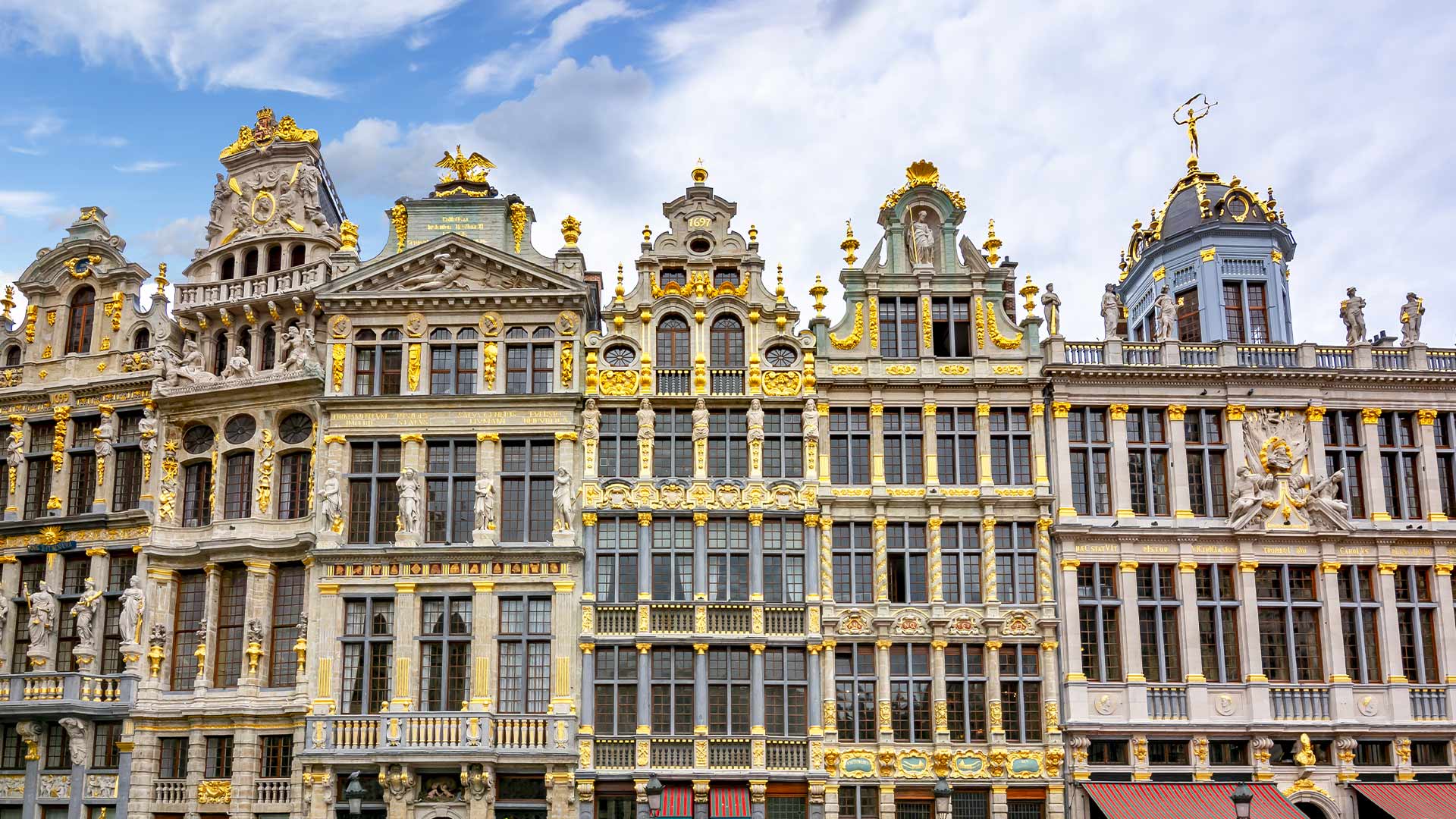
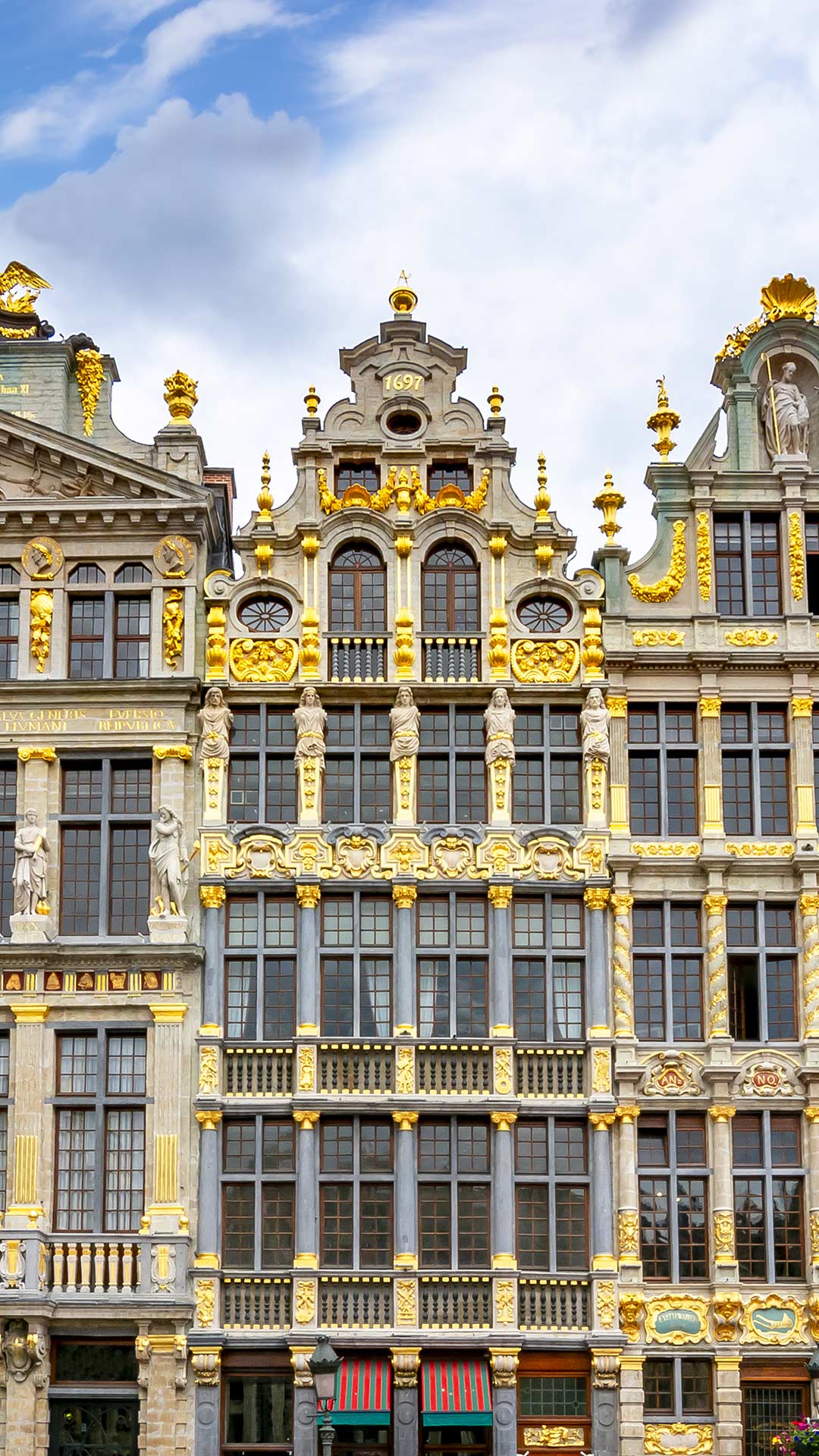
Buildings on Grand-Place Square in Brussels, Belgium
Few squares in Belgium wear history as well as the Grand Place. The surrounding buildings, seen here, began as guild houses, each funded by a specific trade. Brewers, bakers, merchants and craftsmen treated architecture as language, translating work, status and rivalry into stone through reliefs, coats of arms and generous gold leaf. Styles meet without caution. Gothic verticals rise beside Baroque curves, while the Town Hall, older than its neighbours and unapologetically asymmetrical, holds the composition together.
That unity, however, was forged under pressure. Most of the structures standing today rose from the ashes after 1695, when a French bombardment erased the medieval centre. The city responded by rebuilding quickly and boldly, turning destruction into a tightly choreographed urban reply. Life returned quickly: markets, public spectacles, royal ceremonies, festivals and the famous flower carpet have all taken their turn here. Centuries later, the square keeps its civic pulse. UNESCO calls it heritage. Brussels calls it home—and its most confident self-portrait.